
When an older adult suffers a serious fall in a public place—a grocery store, a parking lot, or on a city sidewalk—the property owner’s insurance company often rushes to a single defense: “They should have been more careful.” They try to paint the fall as a matter of personal clumsiness or a natural consequence of aging, rather than the result of a hazard they should have fixed.
For families watching a loved one suffer from a broken hip or other devastating injury, this victim-blaming adds insult to injury. Now, new scientific research is helping to dismantle this unfair argument by providing clear evidence that an older person’s risk of falling is a measurable, biological reality that property owners have a duty to consider.
A recent study from the University of Arizona Health Sciences, highlighted in their news release, has uncovered a crucial link between how a person moves and their risk of falling. Researchers found that older adults, on average, move their arms significantly slower than younger people when they begin to slip. That split-second delay in throwing out their arms to regain balance—a difference of just 1/25th of a second—can be the difference between catching themselves and suffering a catastrophic sideways fall, the kind that leads to a hip fracture.
The study’s lead author noted that this isn’t a matter of choice or carelessness. This slower reaction time is linked to age-related changes in the shoulder muscles and nervous system. It’s a physiological fact.
How This Science Defeats the “Clumsy” Defense in a Lawsuit
This research is more than just an interesting medical finding; it is a powerful tool in a premises liability case. The law requires that property owners maintain their grounds in a reasonably safe condition for all visitors. A dangerous condition like a wet floor or broken pavement can lead to a serious slip and fall injury, and property owners must anticipate that older individuals with physical limitations will be visiting their property.
This study helps us prove that:
- The Victim’s Risk Was Foreseeable: We can now argue with scientific backing that older adults have a measurably higher risk of falling due to slower protective reflexes. A property owner’s duty of care must account for this vulnerable population.
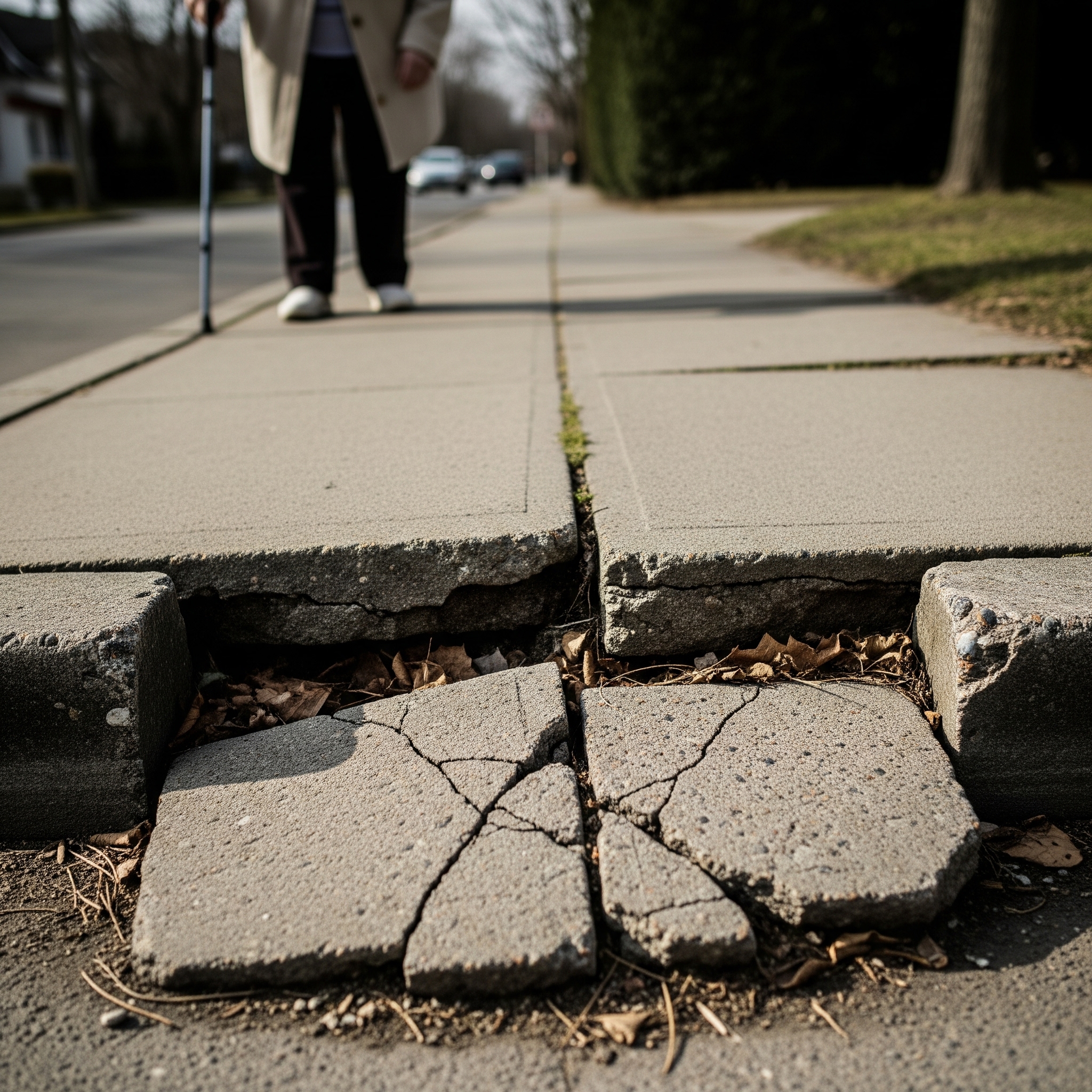
- The Hazard Was the True Cause of the Fall: A cracked sidewalk accident, a wet floor without a warning sign, or a poorly lit staircase isn’t just a minor issue. For a senior with slower reaction time, it’s a serious hazard. This study helps us shift the focus from the victim’s age to the property owner’s negligence.
- A Fall Is Not a “Normal” Part of Aging: While physical changes occur with age, suffering a debilitating injury due to a preventable hazard is not normal. This research reinforces that the fall was caused by an external danger, not an internal inevitability.
If you or an elderly family member has been injured in a fall, do not let an insurance adjuster or property owner dismiss your pain or place blame where it doesn’t belong. You need an advocate who understands the science behind your injury and can use it to build the strongest possible personal injury case.
Let us help you hold the negligent parties accountable. Please contact Manoukian Law for a free and confidential consultation.