
When you see another car about to hit you, your body takes over before your brain can even process what is happening. It is pure instinct. If you are driving down Reseda Boulevard in Northridge or merging onto the 118 freeway, your immediate reaction to an impending crash is to brace for impact.
You grip the steering wheel as tightly as you can. You lock your elbows. You slam your right foot down on the brake pedal and lock your knee straight.
This natural defensive reaction is exactly why shoulder and knee injuries are so incredibly common in car accidents. When the collision happens, the violent force of a heavy vehicle does not just disappear. It travels through the frame of your car, up the steering column into your hands, and up the brake pedal into your foot.
In the days following a crash in the San Fernando Valley, people often expect to have a sore neck or an aching back. They do not always expect their shoulder to freeze up when they try to put on a jacket. They do not expect their knee to suddenly buckle when they are walking up the stairs at their home in Porter Ranch.
If you are dealing with a torn rotator cuff or a torn meniscus after a car accident, you are facing a much more complex battle than a standard whiplash claim. These are structural joint injuries. They are expensive to treat, painful to recover from, and highly contested by insurance companies.
As a local Chatsworth personal injury attorney, I want to explain exactly why torn joint cartilage completely changes the value of your case, how the insurance adjusters will try to use your age against you, and what it takes to get the compensation you actually deserve through Joint Injury Settlement.
The Physics of Joint Injuries in a Car Crash
To understand why your case is worth more, you first have to understand the mechanics of how these specific injuries happen. Insurance adjusters are trained to be skeptical. They often try to argue that a simple rear-end collision could not possibly cause a severe knee or shoulder tear. The science of a crash tells a completely different story.
The Rotator Cuff Tear
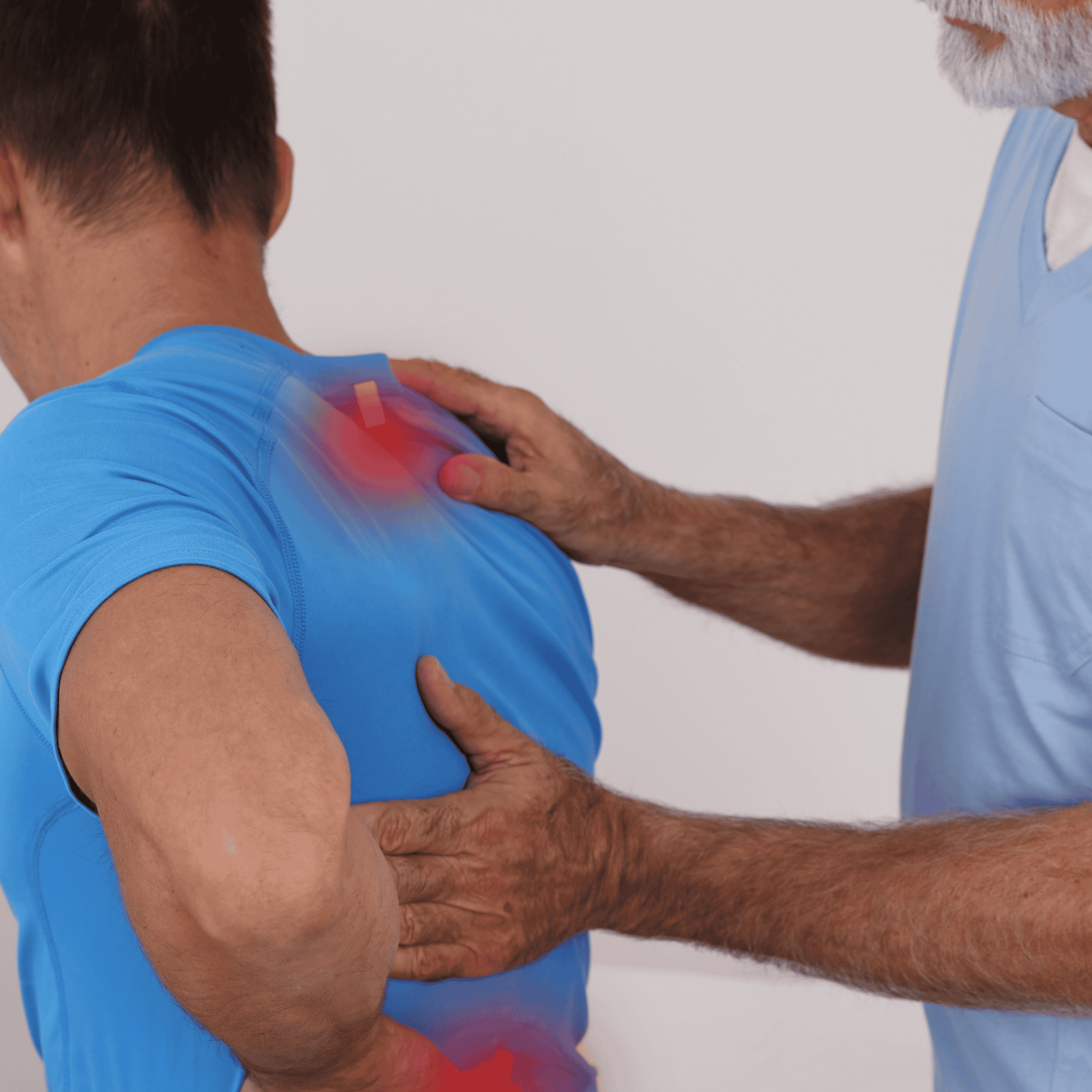
Your shoulder is one of the most complex joints in your body. It is held together by a group of four muscles and tendons known as the rotator cuff. When you brace for a crash by gripping the steering wheel, your arms are locked out. When the impact occurs, your body is thrown violently forward while your hands are firmly planted.
This immense, sudden force is transferred directly up your arm and into the shoulder joint. The tendons of the rotator cuff simply cannot withstand the energy of a multi-ton vehicle. The tissue stretches beyond its limit and rips. This is a traumatic rotator cuff tear. It leaves victims with intense pain, extreme weakness in the arm, and an inability to lift their arm above their head.
The Meniscus and ACL Tear
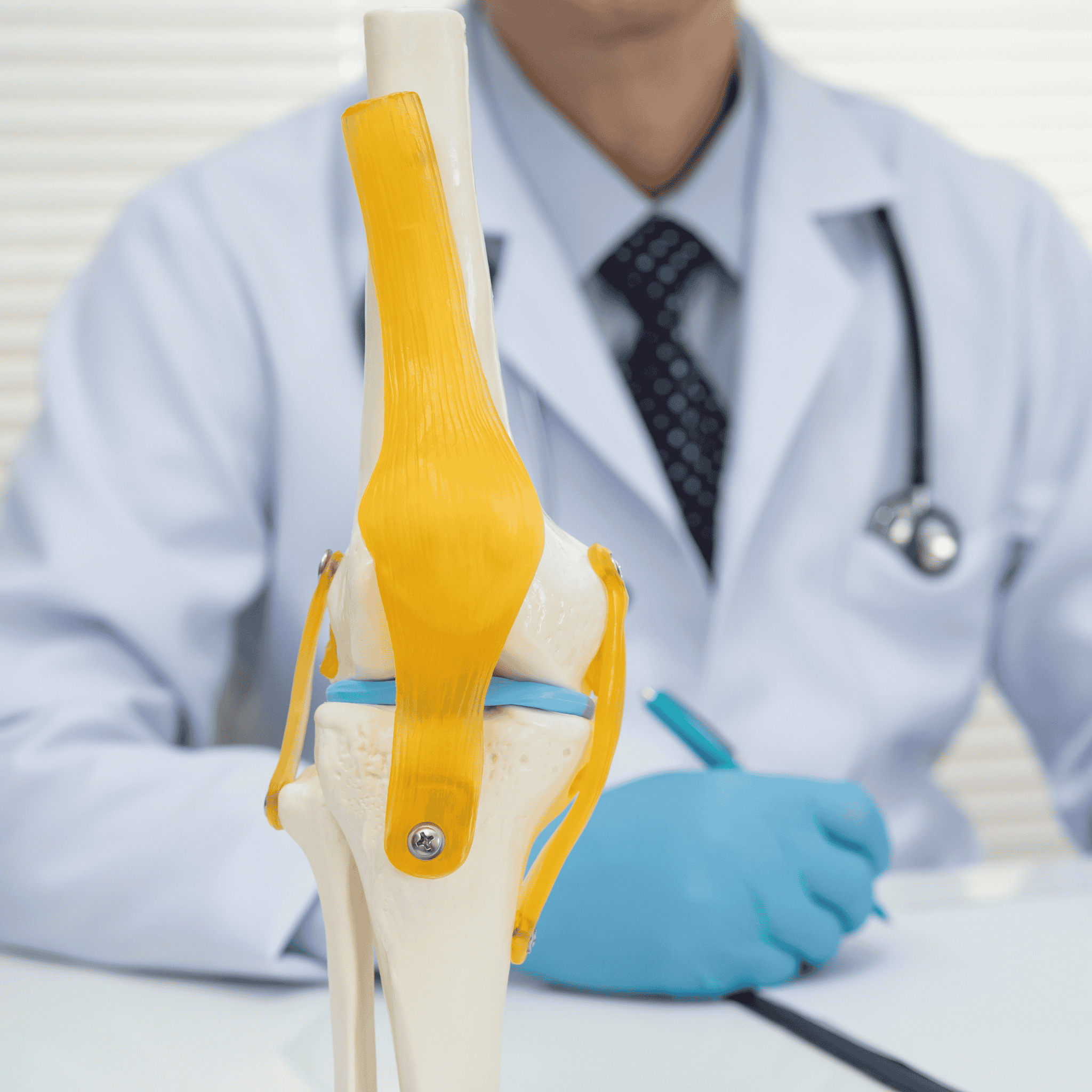
A similar chain of events happens in your lower body. The meniscus is a C-shaped piece of tough, rubbery cartilage that acts as a shock absorber between your shinbone and your thighbone.
When you slam on the brakes to avoid a crash, your leg is completely straight and locked. When the front of your car hits another vehicle, the floorboard and the pedals are often pushed backward into the cabin. This drives a massive amount of kinetic energy directly up your shinbone into your knee joint. The knee is violently compressed and twisted, causing the meniscus to tear.
In other cases, the impact throws the driver forward, causing their knee to smash directly into the hard plastic of the dashboard. This “dashboard knee” scenario frequently leads to fractured kneecaps, torn ligaments like the ACL, and severe cartilage damage.
Structural Damage Versus Soft Tissue Soreness
One of the biggest mistakes victims make is assuming their joint pain is just a deep bruise or a muscle strain. They go to a local urgent care clinic in Chatsworth, get an X-ray, and are told that nothing is broken. The doctor tells them to take some ibuprofen and rest.
The problem is that X-rays only show bone. They do not show soft tissue, tendons, ligaments, or cartilage. You could have a completely shredded rotator cuff, and your X-ray will look perfectly normal.
A muscle strain is a soft tissue injury. It involves microscopic tearing of muscle fibers. While painful, a strain will typically heal on its own with rest, ice, and basic physical therapy over the course of a few weeks. Insurance companies place a relatively low value on these types of injuries.
A torn rotator cuff or a torn meniscus is structural damage. The tissue has been physically ripped apart. In many cases, it will never heal on its own. It requires advanced imaging, specifically an MRI, to properly diagnose. Once diagnosed, these injuries often require a surgeon to physically go in, clean out the damaged tissue, and anchor the torn tendon back to the bone.
Because structural damage requires invasive medical intervention and carries the risk of permanent impairment, the settlement value of your personal injury case increases dramatically. Joint Injury Settlement values these kinds of severe injuries far more than soft tissue issues.
The High Cost of Arthroscopic Surgery
When we calculate the value of a torn joint case, the medical bills are usually the largest initial factor. Treating a torn rotator cuff or knee cartilage is not cheap.
The standard treatment for these injuries is arthroscopic surgery. This is a procedure where an orthopedic surgeon makes several small incisions around the joint, inserts a tiny camera, and uses miniature surgical tools to repair the tear.
While doctors often refer to this as a minimally invasive outpatient procedure, the reality for the patient is anything but minimal. The surgery itself at a facility like Northridge Hospital Medical Center or a specialized orthopedic center can easily cost tens of thousands of dollars.
But the surgery is just the beginning. The recovery process is famously grueling. If you have your rotator cuff repaired, your arm will be immobilized in a specialized sling for weeks. You will not be able to drive, dress yourself easily, or sleep comfortably.
Following the immobilization phase, you will face months of intensive, painful physical therapy to regain your range of motion and rebuild your strength. All of these physical therapy sessions, the prescription medications, the copays, and the surgeon follow-up visits are added directly to the total value of your Joint Injury Settlement.
The Insurance Company Trick: Wear and Tear
If you have a confirmed tear and a surgeon telling you that you need an operation, you might assume the insurance company will just write a check. Unfortunately, joint injury cases are some of the most fiercely debated claims in personal injury law.
The insurance adjuster will take one look at your MRI report and immediately look for words like “degenerative,” “arthritis,” or “chronic.”
As human beings age, our joints naturally wear down. The cartilage in our knees thins out. The tendons in our shoulders become less elastic. By the time someone reaches their 40s or 50s, it is incredibly common for an MRI to show signs of degeneration, even if that person has never experienced a single day of joint pain in their life.
The insurance company will use this medical reality against you. They will argue that your torn meniscus or torn rotator cuff was not caused by the violent car crash on the 405 freeway. They will point to your medical records and claim the tear is simply the result of getting older, playing sports in high school, or having a physically demanding job.
They will offer you a tiny settlement, claiming they are only responsible for a temporary “sprain” and absolutely refuse to pay for your surgery.
Fighting Back with the Aggravation of a Pre-Existing Condition
As a personal injury attorney, fighting this “wear and tear” defense is a major part of what I do. California law is very clear on this issue. The law states that a negligent driver takes their victim as they find them.
This means that even if you had pre-existing arthritis in your shoulder, or even a pre-existing, painless partial tear in your knee, the at-fault driver is still fully responsible if the car crash made your condition worse. This is known legally as the aggravation or exacerbation of a pre-existing condition.
We defeat the insurance company by focusing on your life before the crash. We prove that before the accident, you were pain-free. We show that you were working your normal job in Woodland Hills, going to the gym, playing with your kids, and living a completely normal life without any need for medical treatment.
We use testimony from your doctors and specialized medical experts to prove that the immense physical force of the car crash took a quiet, asymptomatic joint and turned it into a surgical emergency. By establishing this timeline, we force the insurance company to take responsibility for the full cost of your treatment.
Calculating the True Value of Your Joint Injury Case
When we build your case, we are not just looking at the medical bills you have accumulated so far. A severe joint injury impacts every single area of your life, and your settlement needs to reflect that reality.
Lost Wages and Diminished Earning Capacity:
If you have shoulder or knee surgery, you are going to be out of work for a significant amount of time. If you work a physical job in construction, delivery, or nursing, a torn rotator cuff might mean you cannot return to your normal duties for six months or more. We calculate every dollar of income you lose during this recovery period. If the joint damage is permanent and you are forced to take a lower-paying, lighter-duty job, we fight for the loss of your future earning capacity.
Future Medical Costs and Traumatic Arthritis:
A joint that has been torn and surgically repaired is never going to be completely the same as a healthy joint. You face a much higher risk of developing severe, painful arthritis in that shoulder or knee in the years following the crash. You may require future steroid injections, future physical therapy, or even a complete joint replacement a decade down the road. We work with life care planners to project these future medical costs so you are never left paying out of pocket for an injury someone else caused.
Pain, Suffering, and Loss of Enjoyment of Life:
The physical pain of a torn joint is relentless. It hurts when you sit, it hurts when you stand, and it keeps you awake at night. Beyond the pain, we look at what the injury has taken from you. If you can no longer play your favorite sport, if you cannot pick up your grandchild, or if your entire lifestyle has been forcefully altered, we demand significant compensation for your loss of enjoyment of life.
Get the Local San Fernando Valley Legal Help You Need
Trying to negotiate a torn rotator cuff or meniscus claim on your own is a guaranteed way to leave money on the table. The insurance adjusters know exactly how to manipulate your medical records to deny your claim. They handle these cases every single day, and their only goal is to protect their company’s profits.
You need an aggressive local advocate who understands the complex medicine behind joint injuries and knows how to hold the insurance companies fully accountable.
At Manoukian Law Firm, operating right here in Chatsworth, we handle the heavy lifting while you focus entirely on your surgery and your physical therapy. We gather the necessary medical evidence, we bring in top-tier medical experts to prove the crash caused your tear, and we build a case designed to maximize your Joint Injury Settlement. We proudly serve clients across the San Fernando Valley, including Northridge, Porter Ranch, and Woodland Hills.
Because we work on a strict contingency fee basis, you pay absolutely nothing out of pocket to hire us. We cover all the upfront costs of investigating your case, and we do not get paid a single dime unless we win your case and secure the compensation you need.
Do not let an insurance company tell you that your severe injury is just “wear and tear.” If you have suffered a joint injury in a car crash, contact Manoukian Law Firm today at (818) 818-5031 to schedule your free, straightforward consultation.
About the Author: Vaheh Manoukian, Esq.
Vaheh Manoukian is the Founder and Lead Attorney at Manoukian Law Firm. Operating out of Chatsworth, CA, Vaheh is an experienced personal injury attorney dedicated to helping the injured rebuild their lives across the San Fernando Valley, including Northridge, Porter Ranch, Woodland Hills, and Simi Valley. He earned his J.D. from the prestigious University of Southern California (USC), Gould School of Law. Vaheh established his firm to offer clients a different kind of legal experience. He believes in honest communication, aggressive litigation skills, and a relentless drive to win against major insurance companies. When he is not fighting for his clients, Vaheh enjoys spending time with his wife and their Labrador Retriever, Maya.
Disclaimer: The information provided in this article is for general informational purposes only and does not constitute legal advice. Reading this article or contacting Manoukian Law Firm does not establish an attorney-client relationship. Every personal injury case is unique, and laws are subject to change. If you have been injured in an accident, you should consult with a qualified California personal injury attorney regarding your specific situation.
Contact Manoukian Law for a free and confidential consultation.