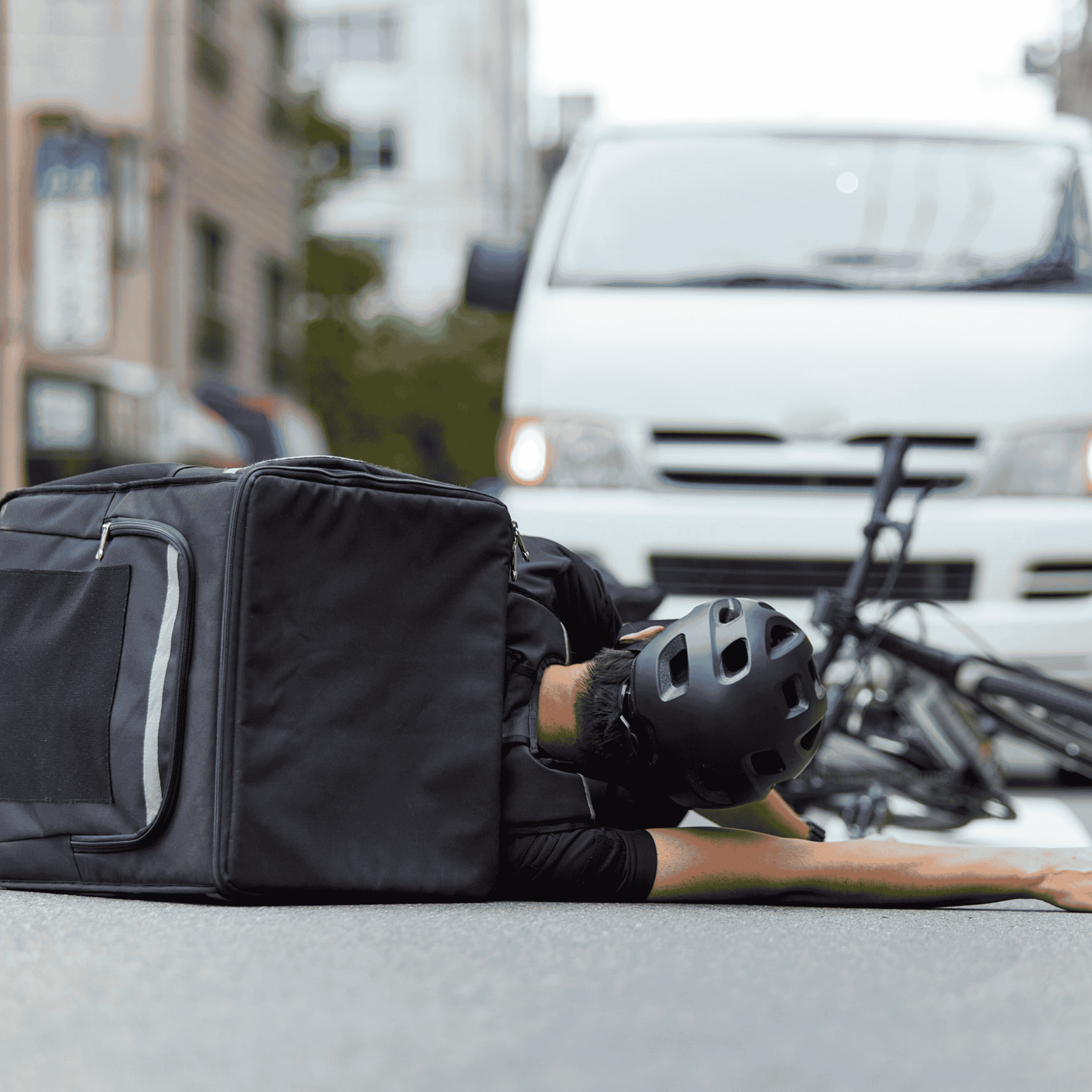

California is home to more registered motorcycles than any other state in the country — and unfortunately, also to a disproportionately high number of motorcycle accident fatalities and injuries. Despite representing only a small fraction of registered vehicles, motorcycles account for a staggering percentage of traffic fatalities each year. The physics are unforgiving: when a 500-pound motorcycle collides with a 4,000-pound SUV, the motorcyclist almost always bears the brunt of the consequences.
If you or a loved one has been injured in a motorcycle accident in California, you need an experienced motorcycle accident lawyer California riders trust to help you understand how California’s laws affect your claim — including rules about lane splitting, comparative fault, and helmet use — and what steps will give you the best chance of recovering full compensation.
Why Motorcycle Accidents Are So Dangerous
Motorcycles lack the protective shell that surrounds car occupants. There are no airbags, no crumple zones, no seat belts. Motorcyclists rely entirely on their riding gear and their own skills to survive a crash. Even at relatively low speeds, accidents can cause catastrophic injuries, including:
- Traumatic brain injuries (TBI) — even with a helmet, the brain can sustain serious injury from the rotational forces of a crash
- Spinal cord injuries — including partial or complete paralysis
- Road rash — when a rider slides across pavement, the resulting friction injuries can be severe, sometimes penetrating to the bone
- Broken bones — particularly wrists, arms, legs, and pelvis, as riders instinctively try to break their fall or absorb the impact
- Internal injuries — organ damage from impact with the ground, a vehicle, or road structures
- Amputations — in severe accidents, traumatic amputations of limbs are not uncommon
The long-term consequences of these injuries can include permanent disability, chronic pain, cognitive impairment, and the inability to return to work. The lifetime costs of care for a seriously injured motorcyclist can reach into the millions of dollars.
California’s Unique Lane Splitting Law
California is the only state in the country where lane splitting — the practice of riding a motorcycle between lanes of slower-moving or stopped traffic — is explicitly legal. Under California Vehicle Code Section 21658.1, lane splitting is defined as driving a motorcycle between rows of stopped or moving vehicles in the same lane, and it is permitted as long as it is done in a safe and prudent manner.
The California Highway Patrol has issued guidelines suggesting that lane splitting is generally safest at speeds no more than 10 mph faster than surrounding traffic, and when traffic is moving at 30 mph or less.
Lane splitting is highly relevant in motorcycle accident claims for two reasons:
- If a motorcyclist was lane splitting when they were hit, insurance companies and defense attorneys will often argue that the lane splitting itself was negligent or unsafe and was a contributing cause of the accident. This is not automatically true — lane splitting is legal, and if it was done reasonably, the other driver’s negligence may still be the primary cause of the crash. A knowledgeable motorcycle accident lawyer California can build the evidence needed to defend your lane splitting and establish the other driver’s fault.
- Some of the most common motorcycle accident scenarios involve cars changing lanes without checking for motorcycles between lanes. A driver who abruptly moves into a lane being used by a lane-splitting motorcyclist may be liable for the resulting collision.
California’s Comparative Fault Rules and Motorcycle Accidents
California follows a “pure comparative fault” rule, which means that even if a motorcyclist is partially responsible for an accident, they can still recover compensation — but their recovery is reduced by their percentage of fault.
For example: if you are injured in a motorcycle accident and suffer $200,000 in damages, but a jury finds you were 20% at fault (perhaps because you were lane splitting at an excessive speed), you would recover 80% of your damages, or $160,000.
Insurance companies aggressively use comparative fault arguments in motorcycle accident cases, often trying to pin excessive blame on the motorcyclist to reduce their payout. Common arguments include:
- The motorcyclist was speeding
- The motorcyclist was lane splitting unsafely
- The motorcyclist was riding without proper protective gear
- The motorcyclist was not visible (riding in blind spots)
An experienced motorcycle accident lawyer California knows these arguments and knows how to counter them with accident reconstruction evidence, witness testimony, and expert analysis.
California’s Motorcycle Helmet Law
California requires all motorcycle riders and passengers to wear a helmet that meets federal safety standards. This is relevant in two ways to personal injury claims:
- If you were wearing a helmet: Insurance companies cannot use helmet use against you. Wearing a helmet is the legally required behavior and does not reduce your claim in any way.
- If you were not wearing a helmet: California’s comparative fault rules could potentially reduce your recovery for head and brain injuries — but only for those specific injuries, and only to the extent the lack of a helmet contributed to the severity of those injuries. Your claim for other injuries (broken bones, road rash, spinal injuries) would not be affected by helmet non-use. This is a nuanced area of law where an experienced motorcycle accident lawyer California can make a significant difference.
Who Is Liable in a Motorcycle Accident?
Negligent Drivers
The most common cause of motorcycle accidents is another driver’s negligence. The most frequent scenarios include:
- A driver making a left turn who fails to yield to an oncoming motorcycle
- A driver changing lanes without checking for motorcycles
- A driver following a motorcycle too closely and rear-ending it
- A driver running a red light or stop sign
- A distracted or impaired driver
Government Entities
Road hazards that are particularly dangerous for motorcycles — potholes, uneven pavement, crumbling road edges, dangerous intersections with inadequate signage — can give rise to claims against the city, county, or state responsible for maintaining the road. Claims against government entities must follow California’s Government Claims Act, with a six-month administrative deadline.
Vehicle Manufacturers
If a defective tire, brake system, throttle, or other motorcycle component contributed to the accident, the manufacturer may be liable under California’s product liability laws.
Employers
If the at-fault driver was operating a vehicle for work purposes at the time of the accident, their employer may share liability under the doctrine of respondeat superior.
Compensation Available to Injured Motorcyclists
Motorcycle accident victims in California can recover:
- Medical expenses — emergency room care, hospitalization, surgery, physical and occupational therapy, assistive devices, and future medical costs
- Lost wages — income lost during recovery
- Loss of earning capacity — if injuries permanently affect your ability to work
- Pain and suffering — which can be substantial given the severe nature of many motorcycle injuries
- Property damage — repair or replacement of your motorcycle and riding gear
- Permanent disability — compensation for life-altering physical limitations
- Loss of enjoyment of life — if injuries prevent you from participating in activities you previously enjoyed
In cases involving drunk drivers or other especially reckless conduct, punitive damages may also be available.
Steps to Take After a Motorcycle Accident
At the Scene
- Call 911 immediately and request medical assistance and police
- Do not remove your helmet yourself if you have any pain in your head or neck — let medical professionals assist you
- Document the scene with photos: damage to all vehicles, skid marks, road conditions, traffic signals, your injuries
- Get the names and insurance information of all drivers involved and contact information for all witnesses
- Do not apologize or admit fault — even saying “I’m sorry” can be used against you
In the Days After
- Seek medical care and follow all treatment recommendations — gaps in treatment are used by insurance companies to argue your injuries weren’t serious
- Do not post about the accident, your injuries, or your activities on social media
- Preserve your motorcycle and riding gear — these are evidence and should not be repaired or discarded until your attorney has had an opportunity to inspect them
- Contact a motorcycle accident lawyer California before giving any statements to insurance adjusters
Why Motorcycle Accident Cases Require Specialized Legal Representation
Unfortunately, motorcyclists face persistent bias in the legal system. Some jurors and insurance adjusters come to the table with preconceived notions about motorcyclists as reckless or responsible for their own fate. An experienced motorcycle accident lawyer California knows how to counter this bias, present your case in the most favorable light, and fight for the full compensation you deserve.
At Manoukian Law, we represent injured motorcyclists throughout California. As a dedicated motorcycle accident lawyer California riders have trusted for years, we handle motorcycle accident cases on a contingency fee basis — you pay nothing unless we recover for you.
Contact us today for a free consultation. If you need a motorcycle accident lawyer California who will fight hard for your rights from day one, Manoukian Law is ready to stand by your side.