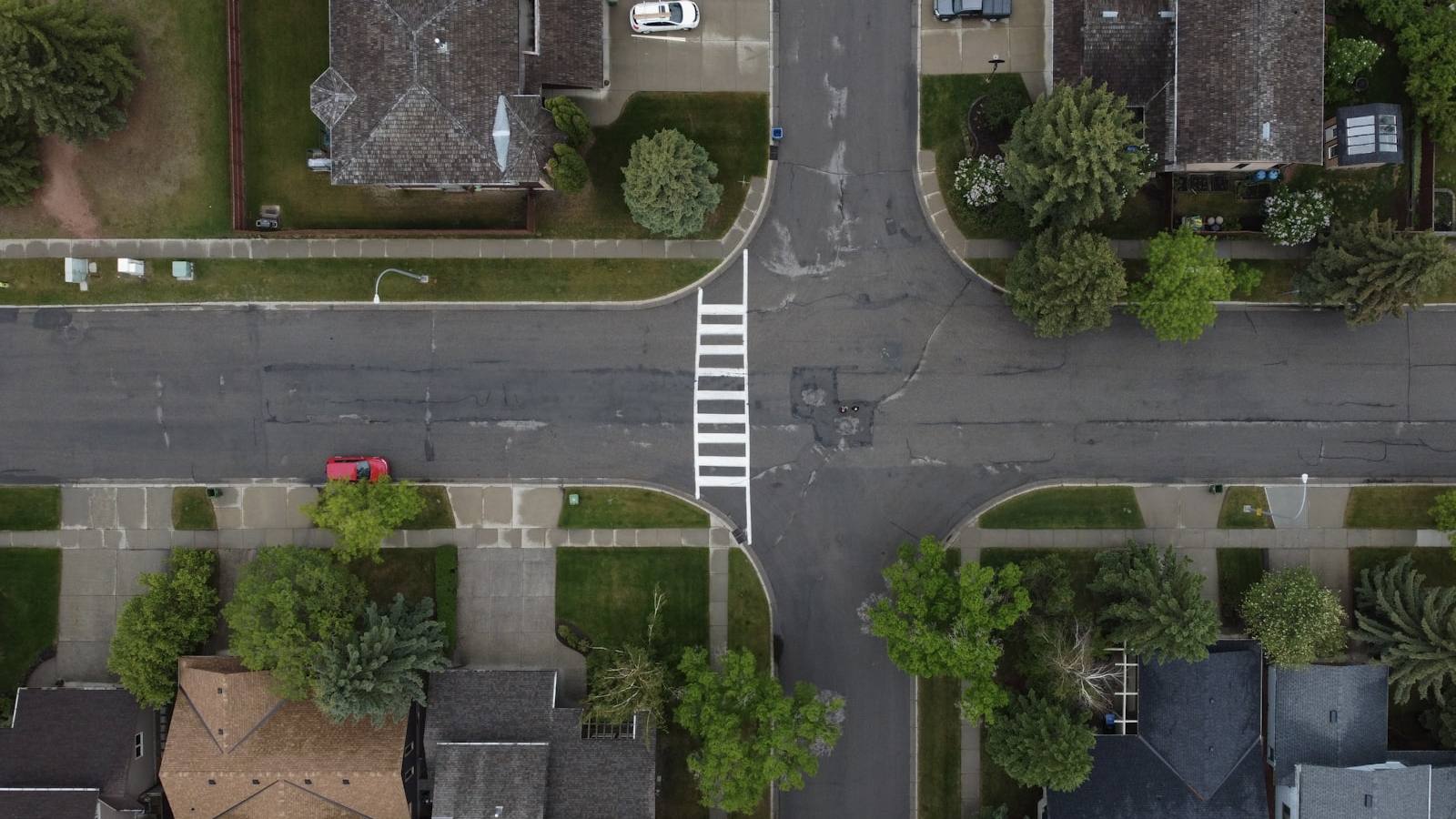
When a driver kills someone and flees the scene, the family is left with a criminal investigation that may never identify anyone and a wrongful death claim with no obvious defendant. California law answers this with uninsured motorist coverage. A hit and run driver is treated as an uninsured motorist, which means the family can pursue the claim through a policy they already have rather than waiting for the police to find someone. That coverage sits in the household’s own auto policy, and in a fatal case it is very often the only meaningful source of recovery.
The two things worth understanding right away are these. First, uninsured motorist coverage must be offered in California under Insurance Code 11580.2, and it applies to a person struck while walking, riding a bicycle or riding in someone else’s car, not only to someone driving the insured vehicle. Second, uninsured motorist claims for hit and run carry conditions that ordinary claims do not, including prompt reporting requirements and, for an unidentified vehicle, a physical contact requirement. Those conditions are enforced. Families lose otherwise valid claims by missing them in the weeks when nobody is thinking about insurance paperwork.
Who may bring a wrongful death claim in California
Code of Civil Procedure 377.60 sets out who has standing. The surviving spouse or registered domestic partner and the children come first. If there are none, the claim passes to those who would be entitled to the property by intestate succession, and certain other people who were financially dependent on the person who died may also qualify, including a putative spouse, stepchildren and parents in defined circumstances.
There is a second claim that runs alongside it. A survival action under Code of Civil Procedure 377.30 belongs to the estate and recovers what the person who died could have recovered had they lived, which generally includes their own economic losses and, in the case of a period of conscious suffering before death, damages that California now permits the estate to pursue. The wrongful death claim and the survival claim are distinct, brought by different parties, and both should be evaluated at the outset.
Both are subject to a two-year deadline under Code of Civil Procedure 335.1. That deadline is not extended because the driver was never identified.
How uninsured motorist coverage works after a hit and run
Think of uninsured motorist coverage as standing in the shoes of the insurance the fleeing driver should have carried. Your insurer pays what that driver would have owed, up to your limits.
A few points that surprise people:
- The coverage follows people, not just vehicles. A household member struck while walking in a Chatsworth crosswalk is generally covered by the family’s auto policy even though no family car was involved.
- Coverage may exist under more than one policy. A person can sometimes claim under their own policy and, as a resident relative, under a parent’s or spouse’s policy. Identifying every applicable policy is part of the work, and the family rarely knows all of them.
- Since January 1, 2025 the state minimum liability limits are 30/60/15 under Vehicle Code 16056. Uninsured motorist limits are often set at the same low figure by default, which is why checking the declarations page early matters. If limits are thin, other coverage such as underinsured motorist coverage on a second vehicle, or an umbrella policy, becomes important.
- Medical payments coverage is optional in California, but where it exists it pays medical and sometimes funeral-related expenses without regard to fault, and it can provide money quickly while the larger claim is pending.
The conditions specific to hit and run
Two requirements come up constantly and both come from the uninsured motorist statute and the policy language written under it.
Prompt reporting. The incident generally must be reported to law enforcement quickly, typically within 24 hours, and a written statement given to the insurer within the period the policy specifies, commonly 30 days. In a fatal collision the police report is usually made immediately, which handles the first half. The notice to your own insurer is the half that gets forgotten, because families do not think of their own auto insurer as involved.
Physical contact. For a claim based on an unidentified vehicle, California requires actual physical contact between that vehicle and the insured person or vehicle. A driver who swerves to avoid a car that never touches them, and who is killed as a result, faces a much harder uninsured motorist claim. Contact can sometimes be established indirectly, for example through a chain reaction, but it is a real limitation and it needs to be evaluated at the start.
A separate and important point: your own insurer is not on your side in this claim. Once you make an uninsured motorist claim, the company is in the position of the party that owes money, and its evaluation will reflect that. It will ask for a recorded statement, request broad medical authorizations, and often value the claim as though the case were weak on fault. Uninsured motorist claims that cannot be resolved usually go to arbitration under the terms of the policy rather than to a jury, and the way the claim is documented from the beginning shapes what happens there.
The investigation the family should not give up on
Uninsured motorist coverage is a floor, not a substitute for finding the driver. When the driver is identified, there is a direct claim against them and their insurance, and that claim can exist alongside the uninsured motorist claim.
Private investigation moves faster than a police canvass and covers ground the police may not. In our experience the most productive steps in the first two weeks are these:
- Canvass for video within a several block radius, including homes with doorbell cameras, small businesses, gas stations, storage facilities and any building with a parking structure entrance. Most consumer systems overwrite in seven to thirty days.
- Ask about traffic and transit cameras at nearby signalized intersections, and about municipal camera systems, through the appropriate records channels.
- Look for debris evidence. A fleeing vehicle usually leaves parts: a mirror housing, a grille fragment, a headlight lens. Those parts carry manufacturer part numbers that can narrow the vehicle to a make, model and range of years.
- Check body shops and salvage yards in the surrounding area for matching front-end damage, and monitor parts orders where that is possible.
- Identify witnesses who were not in the police report, including delivery drivers and people who regularly pass through the area at that hour.
- Send preservation letters immediately to any business whose camera may have captured the vehicle, before the footage cycles.
Chatsworth has a mix of wide arterial roads, industrial blocks and residential streets, and the corridors that carry the most traffic, De Soto, Topanga Canyon, Devonshire, Nordhoff and Plummer, are also the ones with the most cameras pointed at them. That is worth knowing when time is short. We handle these matters from our office on Topanga Canyon Boulevard and we know the area; you can read more about the work we do in Chatsworth.
What a wrongful death claim recovers
California divides the damages in a wrongful death case into two categories.
Economic losses include the financial support the person would have provided to the family, the value of household services they performed, and funeral and burial expenses. Support is calculated over the person’s expected working life and often requires an economist, particularly when the person was still working or was caring for grandchildren or a spouse.
Non-economic losses cover the loss of the person’s love, companionship, comfort, care, assistance, protection, affection, society and moral support. California does not permit recovery for the survivors’ grief as such, which is a distinction that feels artificial to families and is nonetheless how the instruction reads. The proof is testimony from the people who knew the relationship.
Where the person killed was walking, drivers’ duties under Vehicle Code 21950 to yield in marked and unmarked crosswalks are directly relevant, and a pedestrian claim is evaluated on those rules even when the driver is never found. The same framework applies to a bicycle rider or to an occupant of another vehicle.
One practical note on how these cases are put together. Because California treats the survivors’ losses and the estate’s losses separately, the same file usually requires two sets of proof: financial records, tax returns and employment history on the economic side, and the ordinary testimony of family, friends, coworkers and neighbors on the non-economic side. The second set is the one families underestimate. It is not a formality, and it is far easier to gather while memories are fresh than two years later.
If there are minor children among the heirs, their claims are tolled under Code of Civil Procedure 352, but this should never be relied on as a reason to delay. Evidence disappears on its own schedule.
Key points
- California treats a hit and run driver as an uninsured motorist, so the family’s own auto policy is usually the primary source of recovery.
- Uninsured motorist coverage must be offered under Insurance Code 11580.2 and generally covers household members struck as pedestrians or cyclists.
- Hit and run claims carry extra conditions: prompt reporting to police and to your insurer, and physical contact where the vehicle is unidentified.
- Wrongful death standing is set by Code of Civil Procedure 377.60, with a separate survival claim under 377.30 belonging to the estate.
- Both claims run on a two-year deadline under Code of Civil Procedure 335.1, and that clock does not wait for the driver to be found.
- The camera footage that identifies a fleeing vehicle is often overwritten within weeks, so the canvass has to start immediately.
Frequently asked questions
What if my family member did not own a car?
Coverage can still exist. A person who lived in a household where a resident relative carried auto insurance is often an insured under that policy for uninsured motorist purposes, and coverage may also come from a vehicle they occupied. Gathering every policy in the household is one of the first things to do.
Will making an uninsured motorist claim raise our rates or count against us?
California law restricts an insurer from surcharging a policyholder for a loss where the policyholder was not at fault, and a pedestrian struck by a fleeing driver is not at fault. That concern keeps families from filing valid claims, and it is generally misplaced.
What happens if the police find the driver later?
Then a direct claim against that driver and any insurance they carried becomes possible, and it proceeds alongside the uninsured motorist claim. The insurer that paid on the uninsured motorist claim will typically assert a right to be reimbursed out of any recovery from the driver, so the two claims have to be coordinated rather than pursued separately.
How long do we have to bring a wrongful death claim in California?
Two years from the date of death under Code of Civil Procedure 335.1. If a government entity may share responsibility, for example through a dangerous road condition, a written claim must be presented within six months under Government Code 911.2, which is far shorter and is easy to miss.
Losing someone this way is a particular kind of injury, made worse by the sense that nobody will answer for it. There are usually more avenues than a family realizes in the first weeks, and most of them close quickly. Call Manoukian Law Firm at (818) 818-5031 for a free consultation, or contact us here. The consultation is free, and there is no fee unless we win.