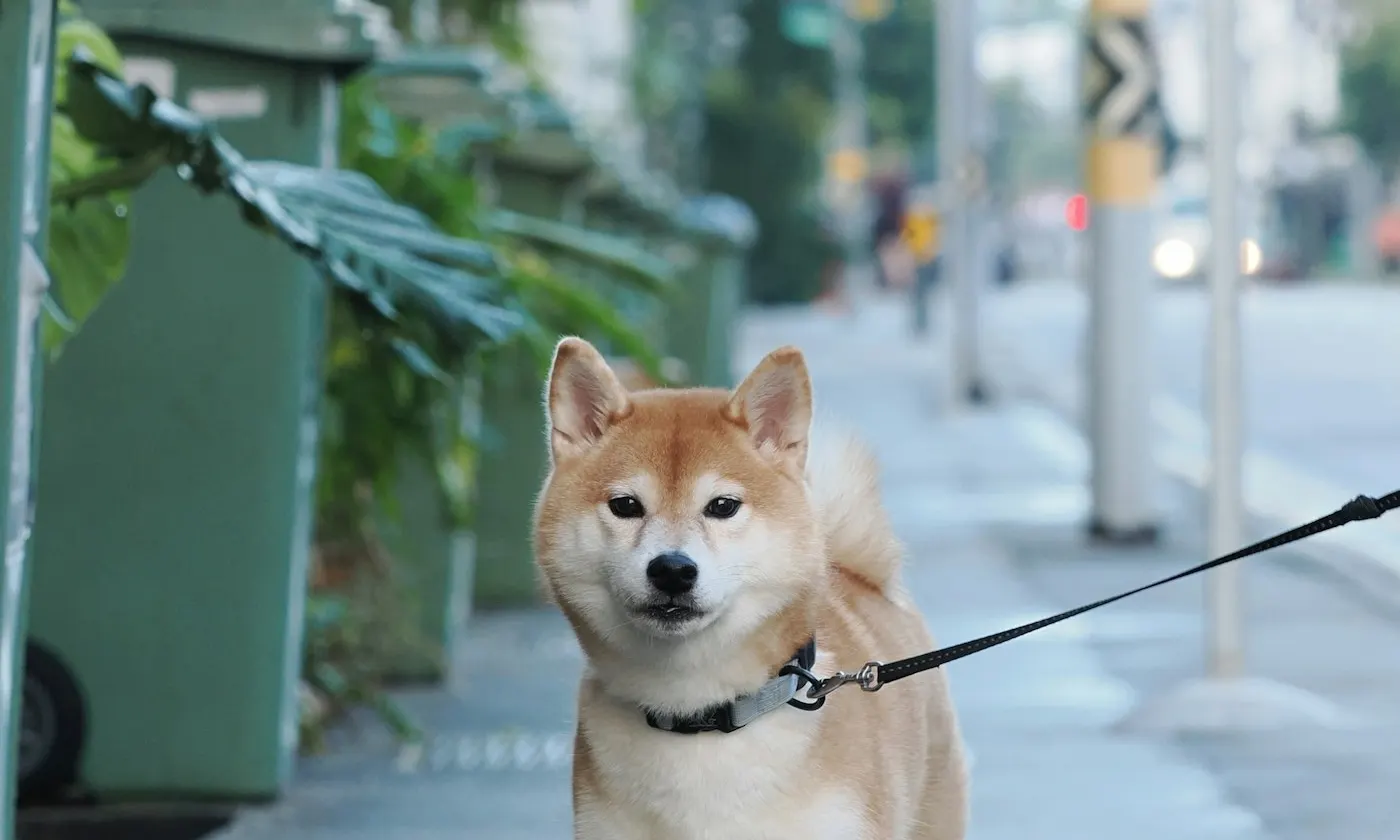
A dog bite is a sudden, frightening injury, and it is rarely as simple as a wound that heals. Puncture wounds carry a real infection risk, hand and face bites often require a plastic surgeon, and children who are bitten frequently carry both a scar and a lasting fear of dogs. Many of these cases involve a neighbor, a friend, or a family member’s dog, which makes people hesitate to make a claim at all.
Manoukian Law Firm represents people injured by dogs throughout California from the firm’s office in Chatsworth. The firm explains, at the outset, how a claim against a homeowner’s or renter’s policy actually works. In most cases the claim is paid by an insurance policy, not out of a neighbor’s pocket.
What to do after a dog bite
- Get medical care right away. Puncture wounds close over bacteria, and infection is the most common complication. Tell the provider it was a dog bite so the wound is treated and documented as one.
- Report the bite to animal control or the local health department. Ask for the report number.
- Get the owner’s name, address, and phone number, and ask for the dog’s vaccination records.
- Photograph the wounds the same day, then again as they heal. Scar claims depend on a visual record over time.
- Identify witnesses and note where the dog was: on a leash, in a yard, loose in the street.
- Keep the clothing that was torn or bloodied. Do not wash it.
- Do not give a recorded statement to the owner’s insurance company before speaking with a lawyer.
How these cases work in California
California does not follow a “one bite” rule. Civil Code 3342 makes a dog owner liable for damages when their dog bites a person in a public place or lawfully in a private place, including on the owner’s own property, regardless of whether the dog had ever shown viciousness before and regardless of whether the owner knew of any such tendency. This is strict liability, and it removes the argument that most often defeats an animal injury claim in other states. The text of the statute is available at leginfo.legislature.ca.gov.
Two limits are worth understanding. First, the statute covers bites. Injuries caused by a dog that knocks someone down, chases a cyclist into traffic, or lunges at a person on a leash are not automatically covered by section 3342, and those claims are usually brought as ordinary negligence, or under leash requirements and local animal control ordinances. Second, the person bitten must have been in a public place or lawfully on private property. A trespasser is in a different position.
California follows pure comparative negligence under Li v. Yellow Cab (1975), so if the injured person is found partly responsible, for example by provoking the animal, the recovery is reduced by that share rather than eliminated. Medical damages are measured by the amounts actually paid or owed under Howell v. Hamilton Meats (2011), which matters in bite cases where emergency care, wound revision, and later scar treatment come from several different providers.
There is also a public health layer. A bite must be reported to the local health officer, and the dog is generally quarantined for ten days to observe for rabies. That report creates an official record of the incident, which is one reason reporting helps the injured person as well as the community.
How Manoukian Law Firm handles dog bite cases
We start by locating the coverage. Most dog bite claims are paid under a homeowner’s or renter’s liability policy, and sometimes under an umbrella policy above it. Where the bite happened in a rental, at an apartment complex, or on commercial property, there may be an additional claim against a landlord or manager who knew about a dangerous animal on the premises. Finding every applicable policy early shapes everything that follows.
We then build the history of the dog. Animal control records, prior bite reports, complaints from neighbors, and past citations often show a pattern, and that history matters for punitive exposure and for the seriousness with which the claim is treated. We obtain the health department report and the quarantine record, photograph the property and any fencing or gate involved, and interview witnesses.
The medical side of a bite case needs particular attention. We make sure clients are evaluated for infection and nerve damage, and where there is visible scarring we arrange consultation with a plastic surgeon so the record includes a professional opinion on revision options and the expected permanent result. In cases involving children we document the emotional effects with the treating providers, because a child’s fear of dogs after an attack is a real injury and it is often the longest lasting one. When we present the claim, it includes the photographs, the surgical opinion, and the full billing. If the offer does not reflect the harm, we file suit and prepare the case for trial.
What can be recovered
Recoverable losses include emergency treatment, wound care, surgery and any later scar revision, infection treatment, and the future care a physician expects will be needed. Lost income is recoverable, including time a parent takes off work to care for an injured child. Counseling and psychological treatment are recoverable when a provider is treating them.
Non-economic damages address the pain, the disfigurement, and the changed daily life that follows a serious bite. Permanent scarring, particularly on the face, hands, or arms, is a significant element of these claims. We do not predict amounts. We document the injury carefully and present it as it is.
Deadlines
A dog bite claim must generally be filed within two years of the bite (Code Civ. Proc. 335.1). If the dog belonged to a government agency, or the incident involved a public entity’s property or a police dog, a written claim must first be presented to that entity within six months (Gov. Code 911.2), with a shorter lawsuit deadline after rejection. For a child, the two-year period is generally tolled until the child turns 18, though there is rarely a reason to wait, since the evidence about the dog’s history and the wound photographs are easiest to gather now.
Case results
Our client suffered catastrophic injuries after being struck by a commercial delivery driver who was on the job.
Our client developed ongoing neck pain after a multi-vehicle rear-end collision on the highway, requiring pain-management treatment. The case resolved for $400,000.
The other side valued our client's injuries at $5,000 to $10,000 and called it a “soft impact.” Our client was the third car struck in a chain-reaction collision. We filed suit and recovered $275,000.
Past results do not guarantee a similar outcome.
Frequently asked questions
Do I have to sue my neighbor?
Usually not. Most claims are made against a homeowner’s or renter’s insurance policy, and the great majority resolve without a lawsuit. We can approach the claim in a way that keeps the process as low-conflict as the circumstances permit, and we will tell you if a lawsuit becomes necessary.
What if the dog had never bitten anyone before?
That does not matter under Civil Code 3342. California’s strict liability rule applies whether or not the dog had a prior history and whether or not the owner knew the dog might bite. Prior history can still be relevant, but it is not something you need to prove.
The dog knocked me over but did not bite me. Is that a case?
It may be. Section 3342 covers bites, so an injury from a dog jumping, chasing, or knocking someone down is handled as a negligence claim, often involving leash law violations or an owner who failed to control the animal. Those cases can be strong; they simply rest on a different theory.
My child was bitten at a friend’s house. What should I do?
Get medical care and report the bite, then keep photographs as the wounds heal. Settlements involving a minor generally require court approval, which protects the child’s funds. We handle that process and explain each step to the family.
Does the dog get put down if I make a claim?
A claim for compensation is separate from any animal control action. What happens to the dog is decided by the local agency based on the incident and the animal’s history, not by whether you present an insurance claim.
If you or your child was bitten, call Manoukian Law Firm at (818) 818-5031. The consultation is free, we speak English, Spanish and Armenian, and we can meet by phone, by video or at the hospital. You can also reach us through our contact page, read more about the firm, or see how we approach related claims in Apartment Complex Injuries, Slip and Fall, and Pedestrian Accidents.
Serving clients across California
The office is on Topanga Canyon Boulevard in Chatsworth, and the firm represents injured people throughout California. If you cannot travel, we meet by phone, by video or in the hospital.
Most of the firm’s clients live and drive in the San Fernando Valley. See how cases are handled in Chatsworth, Northridge, Reseda, Canoga Park, San Fernando and Simi Valley, or browse every community the firm serves.