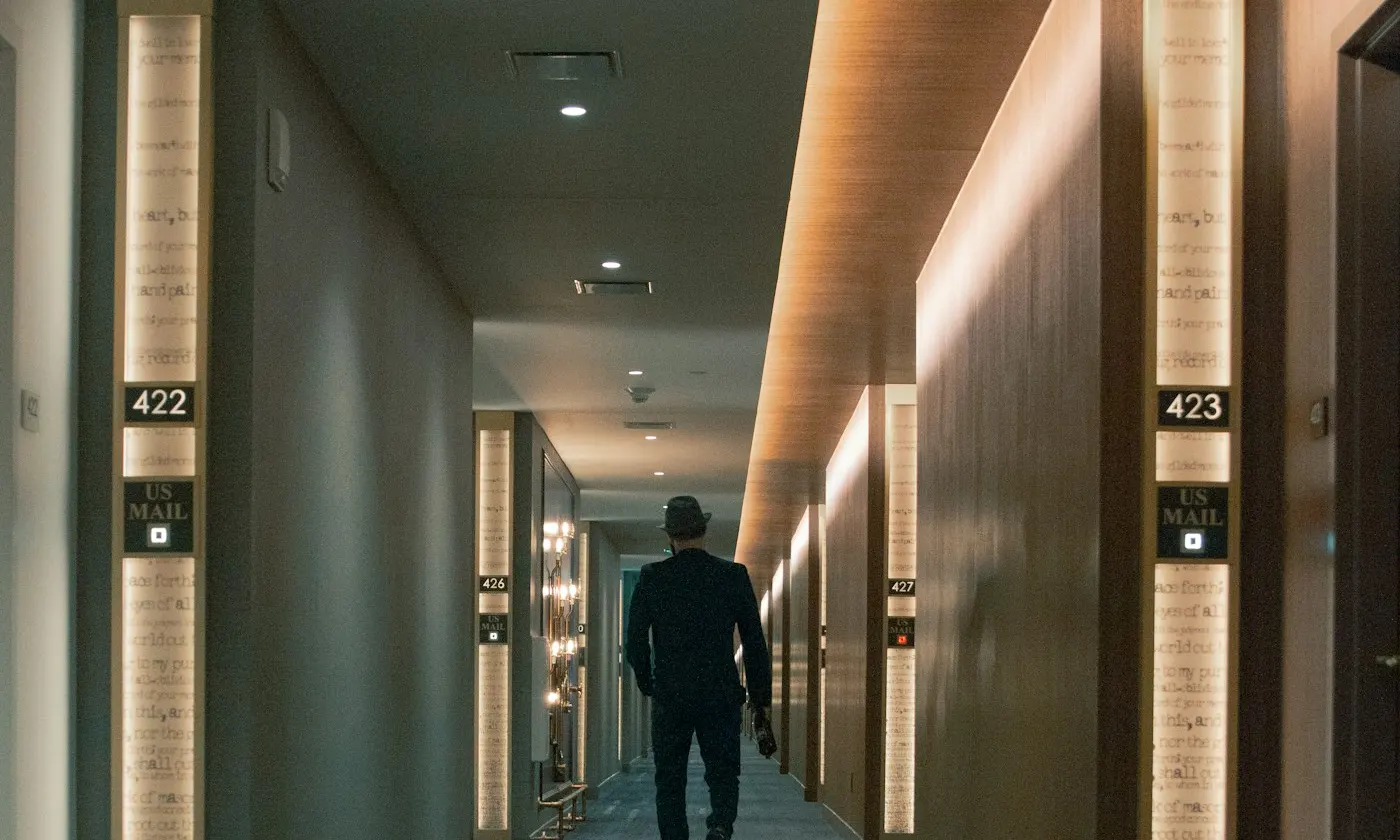
A hotel takes in people who have never been inside the building before. Guests do not know which step is loose, which tub has no mat, which walkway floods when the sprinklers run, or which side door has been propped open for weeks. That is exactly why the law puts the responsibility for finding and fixing hazards on the people who run the property rather than on the guest.
Manoukian Law Firm represents guests, visitors and workers injured at hotels, motels and resorts throughout California. Every case is prepared as though it will be tried. Every case is prepared as if it will be tried.
What to do after a hotel injury
- Get medical care. Emergency care first, and tell the provider exactly how and where the injury happened.
- Report the incident to the front desk or manager and ask for a written incident report and a copy. If they will not give you a copy, note the name and title of the person who took it.
- Photograph the scene before it is cleaned or repaired: the floor, the lighting, the step, the railing, the missing sign, the pool gate, and your injuries.
- Keep your reservation confirmation, folio, room key envelope and receipts. They establish that you were a guest and where you were staying.
- Get contact information for anyone who saw the fall or who helped you afterward, including staff.
- Do not give a recorded statement to the hotel’s insurer or sign anything before you have advice.
- Keep the clothing and shoes you were wearing.
How these cases work in California
A hotel injury claim is a premises liability claim. The duty of a property owner comes from Rowland v. Christian, and hotels are held to the care an innkeeper owes people it invites in and profits from. In practice the case turns on two questions. Did the hotel know about the hazard, either actually or because reasonable inspection would have found it? And did it have a reasonable chance to fix the condition or warn about it before someone was hurt?
Notice is where most of the work happens. A spill in a lobby five minutes old is a different case from a leaking ice machine that housekeeping has been mopping around for a month. Inspection logs, maintenance tickets, prior incident reports, work orders and staffing records tend to answer the question better than anyone’s memory does.
The claims we see most often involve wet floors in lobbies, bathrooms and near pool decks; bathtubs and showers with no grab bar or slip surface; poorly lit stairways and parking structures; broken handrails; loose carpet and uneven thresholds; falling objects; balcony and railing failures; shuttle van collisions; and injuries caused by inadequate security in hallways, parking areas and around the entrances. Pool and spa injuries carry their own set of issues, including fencing, depth markings, supervision, drain covers and chemical handling.
More than one company is often involved. Many hotels are owned by one entity, operated by a management company, branded by a franchisor and serviced by outside contractors for cleaning, landscaping, elevators, pools and security. Identifying which of them controlled the area and the condition is part of the case, not an afterthought. Where a hotel is on public property or run by a public agency, a written government claim is generally due within six months under Government Code section 911.2.
California uses pure comparative negligence under Li v. Yellow Cab, so a claim that a guest was not paying attention reduces recovery by that share of fault rather than defeating the claim. These matters overlap closely with our slip and fall practice, and where a hotel dog or a guest’s dog causes an injury, strict liability under Civil Code section 3342 can apply, which is covered on the dog bite page.
How Manoukian Law Firm handles hotel injury claims
The first move is preservation. Hotels record heavily, and camera footage is frequently overwritten within days or weeks unless someone demands it in writing. We send a preservation notice immediately covering video, incident reports, inspection and cleaning logs, maintenance records, prior complaints for the same location, and staffing schedules for the shift in question.
Then we identify every responsible entity: the owner, the operator, the franchisor if it controlled operations, and any contractor whose work created or should have caught the hazard. Corporate structure is often layered, and naming the right parties early avoids losing a claim to a deadline while sorting out who is who.
We gather the medical records and billing, and in cases with lasting effects we work with treating physicians so the future picture is documented by the people delivering the care. We handle communications with the insurers so our clients can concentrate on recovery. Our office is on Topanga Canyon Boulevard in Chatsworth, convenient to the Valley and the hotels along the 101 and 118 corridors, and the firm represents injured people throughout California. When travel is hard, we meet by phone or video, or in the hospital.
What can be recovered
California allows recovery for the actual consequences of the injury. Economic losses include emergency treatment, surgery, imaging, physical therapy, medication, equipment, home care, and the future medical care a physician expects will be required. They also include lost income and, where an injury changes what someone can do for a living, reduced earning capacity. Medical damages are measured by the amounts actually paid or owed, following Howell v. Hamilton Meats.
Non-economic losses cover pain, sleep loss, anxiety, scarring, and the activities a person can no longer do. Head injuries deserve particular attention because symptoms often surface days later, as described on our brain injury page. When a hotel incident causes a death, wrongful death claims under Code of Civil Procedure section 377.60 may be brought by a spouse, domestic partner, children and certain dependents, with a separate survival action under section 377.30.
Deadlines
The general California deadline for a personal injury claim is two years from the date of injury under Code of Civil Procedure section 335.1. If a public entity owns or operates the property, a written claim is generally due within six months under Government Code section 911.2, with a shorter lawsuit deadline after that. Two years sounds like plenty of time, but the video that proves how long a hazard sat there rarely lasts two months. The practical deadline in a hotel case is the evidence, not the statute.
Case results
Our client tripped and fell at a restaurant. Witness depositions and discovery guided the case to a $250,000 settlement.
Our client was injured by a dangerous condition at a nightclub. The case settled in litigation for a six-figure sum after discovery.
Past results do not guarantee a similar outcome.
Frequently asked questions
The hotel gave me a voucher and asked me to sign something. Should I?
Have someone review it first. Documents offered after an incident sometimes include a release of claims in exchange for a small credit or a comped night. A signature can end a claim that has not yet been evaluated, and by the time the full extent of an injury is known it can be too late to undo.
What if I was hurt in the parking lot or by another guest?
A hotel’s responsibility extends to areas it controls, including parking structures, walkways, pools and hallways. Where an assault or a robbery occurs, the question is whether the hotel knew of similar incidents or conditions and failed to take reasonable security measures such as working locks, adequate lighting and controlled access.
I live out of state and was only visiting California. Can you still help?
Yes. If the injury happened in California, the claim generally belongs here, and we work with clients remotely by phone and video. The firm represents injured people throughout the state.
What does a consultation cost?
Nothing. The firm works on a contingency fee, and there is no fee unless we win. The firm helps clients in English, Spanish and Armenian.
If you were hurt at a hotel, the useful window for preserving video and records is short. Call Manoukian Law Firm at (818) 818-5031 or reach us through the contact page, and read more about the firm on the about page. The consultation is free, and there is no fee unless we win.
Serving clients across California
The office is on Topanga Canyon Boulevard in Chatsworth, and the firm represents injured people throughout California. If you cannot travel, we meet by phone, by video or in the hospital.
Most of the firm’s clients live and drive in the San Fernando Valley. See how cases are handled in Chatsworth, Northridge, Reseda, Canoga Park, San Fernando and Simi Valley, or browse every community the firm serves.