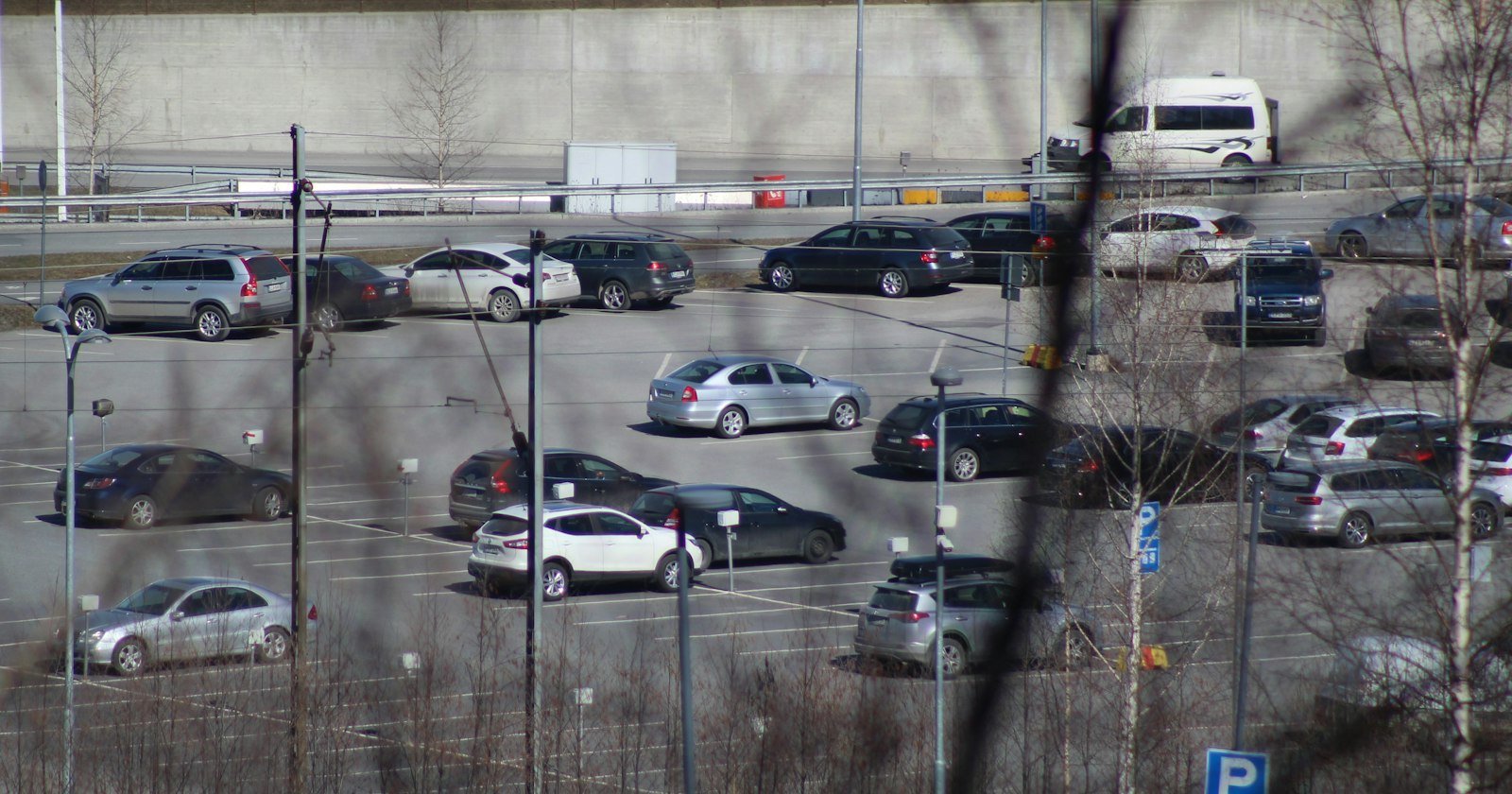
If you tripped on a crumbling curb, a pothole or a raised wheel stop in a shopping center parking lot in Northridge, Chatsworth or anywhere else in Los Angeles, the first question is not how badly the pavement was broken. It is who controlled that piece of ground. A shopping center parking lot usually has three possible owners of the problem: the store you were walking to, the company that owns the center, and, if you were on the sidewalk or parkway at the edge of the property, the City of Los Angeles. Each has different insurance, different defenses and, in the City’s case, a deadline measured in months rather than years. Getting this wrong at the start costs people their cases. Here is how responsibility is sorted out, and what to do in the first week.
Control decides who is responsible
California premises liability turns on control, not just ownership. The California Supreme Court said so in Alcaraz v. Vece in 1997: a person who controls property owes a duty to keep it safe even if someone else holds title. In a shopping center, control is divided by the lease. The landlord almost always keeps the common areas, meaning the parking lot, the drive aisles, the curbs, the walkways between stores, the landscaping and the lighting, and charges tenants a share of the maintenance cost. The individual store controls its own interior and, often, the sidewalk immediately in front of its doors.
So a pothole in the middle of the lot is usually the landlord’s problem, and the landlord’s insurer is the one that pays. A broken curb at the store’s entrance may be either, depending on how the lease draws the line. A wheel stop in a parking space the store’s lease designates for its customers can be the store’s. The lease is not public, but it is produced in the case, and it settles the question. Until then, both the store and the property owner are put on notice, because a letter to the wrong one preserves nothing.
The landlord’s property manager also matters. Most centers of any size are run by a management company that handles inspections, work orders and vendor contracts. Its inspection log, its work orders for the lot, and the complaints it received from tenants and customers are the record of what the owner knew.
When the City of Los Angeles is a defendant
The edge of the property is where the City comes in. The public sidewalk, the parkway strip, the curb at the street and the driveway apron are usually public right-of-way. A trip on a lifted public sidewalk outside the shopping center is a claim against the City under Government Code section 835, which makes a public entity liable for a dangerous condition of its property that it knew or should have known about.
That claim has a six-month deadline under Government Code section 911.2. Not two years. A written claim must be filed with the City Clerk within six months of the fall, and only after it is denied or deemed denied can a lawsuit be filed. Miss the six months and the case is gone, with very narrow exceptions. Anyone who fell near the street edge of a shopping center should assume the City might be involved until the property line is confirmed, and act within the six months.
The defenses you will hear
The trivial defect argument. For both private owners and public entities, California courts hold that a very small height difference, generally under about three quarters of an inch with no other aggravating factor, is not a dangerous condition as a matter of law. The cases on this, including Kasparian v. AvalonBay Communities for private property, look at more than the measurement: lighting, whether the defect was in a walking path, whether it was obscured by debris, shadows or water, and whether others had fallen there. A one-inch curb crack in a dark corner of a lot at night is a different case from the same crack in daylight.
Open and obvious. The owner will say the pothole was visible and you should have seen it. California law says an obvious hazard may excuse a warning, but not the failure to fix it, when it is foreseeable that people will walk through the area anyway, which in a parking lot they always will.
Comparative fault. Your phone, your shoes, your pace, the bags you were carrying. A jury can assign a percentage to you, and the insurer’s recorded statement is where they try to build it. Do not give one.
What a lot has to have
Parking lot standards are not mysterious. Lighting that meets the City’s code for commercial lots at night. Wheel stops that are intact, painted and not placed where pedestrians step out of cars. Curbs painted at ramps and height changes. Drainage grates flush with the pavement. Asphalt repaired on a schedule, with a paving contractor’s records to prove it. An owner who cannot produce an inspection and repair history for the lot is in the same position as a grocery store that cannot produce a sweep log: the jury may infer the hazard was there long enough to be found.
The first week
Photograph the defect the same day, with something for scale, from the direction you were walking, and at the same time of day if lighting mattered. Measure the height difference if you can. Photograph the nearest light pole and whether it was working. Note the store you were heading to, the parking space number if there was one, and the nearest address on the street. Get the names of anyone who helped you. Report the fall to the store and ask them to notify the property manager; ask for the management company’s name. Treat the same day, and describe every injury.
Then the preservation letters go out: to the store, to the property owner and manager demanding the lot’s inspection, maintenance and repair records, the lighting maintenance records, prior incident reports for the lot, and any camera footage covering the area, and, if the property line is in doubt, the government claim to the City within six months.
What these cases are worth
A trip over a curb that produces a broken wrist, a fractured ankle, a torn rotator cuff from catching yourself, or a hip fracture in an older adult is a serious case, and shopping center owners carry commercial policies sized for it. Our published results include a $250,000 recovery in a premises liability trip-and-fall. The value depends on the injury and on how clearly the responsibility question is answered.
Key points
Who controlled the spot decides who pays: landlord for common areas, store for its own space, City for the public right-of-way. The lease settles the private side.
A claim against the City of Los Angeles must be filed within six months under Government Code section 911.2. Treat any fall near the street edge as possibly public until confirmed.
Trivial defect, open and obvious, and comparative fault are the three defenses. Lighting, location in the walking path and prior falls answer the first two.
Photograph the defect with scale and from your walking direction, the same day. Put both the store and the property manager on written notice.
Frequently asked questions
The store says the parking lot is not theirs. Does that end my claim against the store? No. It means the landlord is likely the main defendant, but the store’s lease may give it responsibility for the area near its entrance, and the store may have reported the hazard to the landlord and done nothing more. The lease and the correspondence decide it.
The pothole has been there for years. Does that help? Yes. Length of time is the core of constructive notice. Photos on Google Street View from earlier dates, prior complaints and prior falls all prove it.
I fell in a Target or Walmart parking lot. Who owns those? Sometimes the retailer owns the building and the lot outright; sometimes it is a tenant in a center. The county assessor’s records show who owns the parcel, and the claim is set up from there.
How long do I have? Two years for the store or the landlord under Code of Civil Procedure section 335.1. Six months to file a claim if the City is involved.
Manoukian Law Firm, P.C., Chatsworth, California. Free consultation. No fee unless we win. Past results do not guarantee a similar outcome.