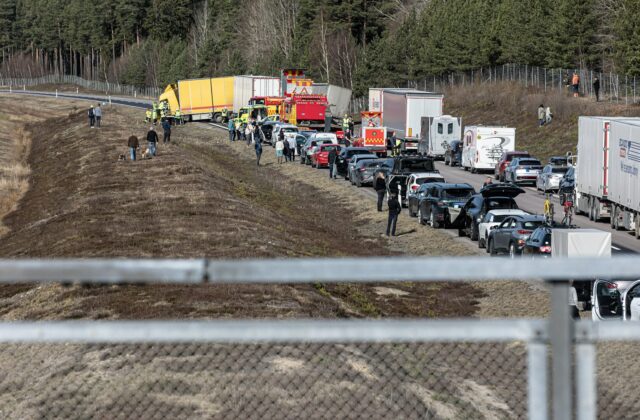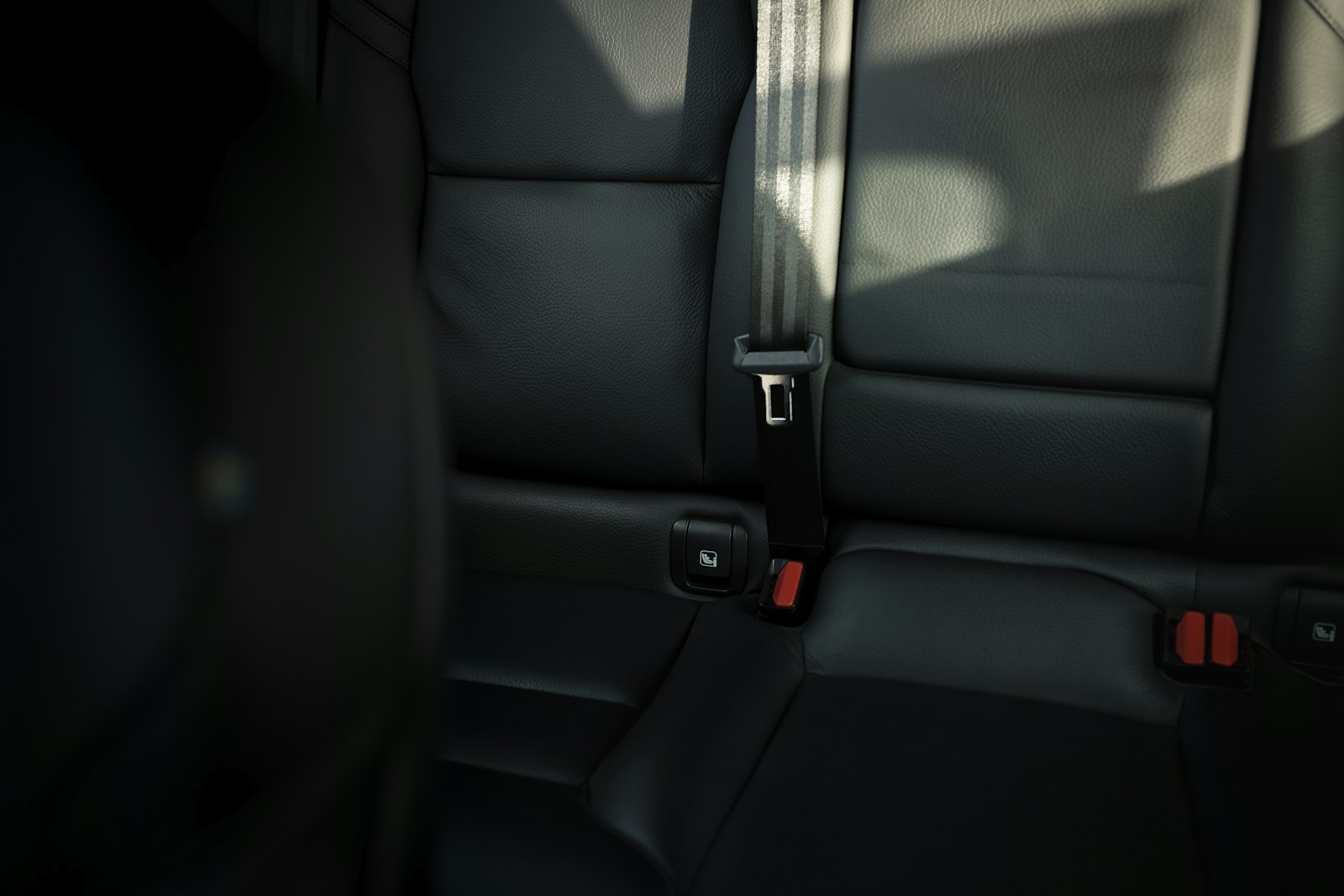
Not wearing a seatbelt does not stop you from recovering for a car accident someone else caused. California treats it as comparative fault, which can reduce the part of your damages the belt would have prevented, but it does not bar the claim and it has nothing to do with who caused the crash. If another driver ran a red light on Nordhoff and hit you, that driver is at fault for the crash whether or not your belt was on.
What decides these cases is the second half of the rule. The seatbelt defense only applies to injuries that a belt would have prevented or reduced, and the defense has to prove that. It is not enough to say “he wasn’t wearing a seatbelt.” The insurer has to show, usually through a biomechanical engineer and a medical opinion, that a specific injury would have been avoided or lessened with the belt on. A broken wrist from bracing on the dashboard in a 15 mile an hour rear-end collision is hard to attribute to a missing belt. A facial laceration from the windshield is easier. Many insurers raise the defense in the first letter and never fund the experts to prove it.
Can I still get compensation if I wasn’t wearing a seatbelt?
Yes. In California the seatbelt defense is a form of comparative negligence. The at-fault driver remains responsible for causing the crash. Your recovery can be reduced only by the share of your injuries that the defense proves a seatbelt would have prevented, and only if a jury agrees you were unreasonable not to wear one. Injuries that would have happened belted or not are fully recoverable.
How the seatbelt rule works in California
California’s seatbelt law, Vehicle Code 27315, requires most occupants to be belted. The same section says that a violation does not by itself establish negligence in a civil case. The defense exists because of court decisions that let a jury consider a failure to wear a belt as a failure to use reasonable care for one’s own safety, with the reduction applied only to the injuries caused by that failure.
So the jury answers two questions. Was it unreasonable for the plaintiff not to be wearing the belt? And which injuries, if any, would the belt have prevented or reduced? The defense carries the burden on both. If it cannot separate “belt” injuries from “crash” injuries with evidence, the reduction is zero.
What the insurer will argue, and what it has to prove
The adjuster’s letter will say the police report notes “no seatbelt” and that your claim is reduced accordingly. The practical answer is to make them prove it. In our experience the defense is raised far more often than it is supported. To actually reduce a verdict, the insurer needs a qualified engineer to reconstruct the crash forces and a doctor to tie specific injuries to the lack of restraint. That costs the defense real money, and for a moderate soft tissue or fracture case they often do not spend it.
Where the defense has weight is in a high-energy crash with ejection, head or facial injury, or injury from striking the interior. A rollover on the 118 where the unbelted occupant was thrown from the vehicle is the kind of case where the belt argument is serious and the percentage can be large. A side impact at Balboa and Devonshire where the injury is a torn rotator cuff from the door intrusion is a case where the belt made little difference.
A worked example
Suppose a driver on the 405 is rear-ended at freeway speed and suffers a concussion from hitting the steering wheel and a herniated lumbar disc from the impact. The defense retains an engineer who says the belt would have kept the driver’s head off the wheel, and a neurologist who agrees the concussion would likely have been avoided. The disc injury, both sides agree, happens belted or not. If the jury accepts that, the concussion damages are reduced by the plaintiff’s percentage of fault for not belting, and the disc damages are not reduced at all. That is how the rule is supposed to operate: injury by injury, not a blanket cut.
What to do now
Get examined promptly and describe every symptom, including ones that seem minor. The medical record is what lets a doctor later separate injuries by mechanism. Do not volunteer to the other driver’s insurer that you were unbelted, and do not give a recorded statement. If the police report says no belt and that is wrong, note it to your attorney early; officers sometimes record what they assume from the injuries rather than what they saw.
If you were a passenger, the analysis is the same but the fault for the crash may be shared between two drivers, and your own or a family member’s policy may add coverage.
One more point on timing. The seatbelt defense is raised at the start, but it is proven, if at all, late in a case, when experts are retained. Do not let an early letter citing the belt push you into a low settlement before anyone has looked at whether the belt mattered for your particular injuries. The claim should be valued on the medical record, with the belt treated as the defense’s burden to carry.
Common mistakes
Assuming the claim is dead and not treating. Telling the ER “I wasn’t wearing my seatbelt, so this is on me.” Accepting a flat percentage reduction the adjuster proposes with no supporting opinion. Not telling your attorney about the belt until the deposition. Posting about the crash. And letting a belt argument distract from the real question, which is who caused the collision.
Questions people ask next
Does the seatbelt matter if the other driver was drunk? The other driver’s conduct and your belt use are separate questions. A drunk driver remains fully at fault for the crash; the belt affects only the share of injuries the belt would have prevented.
What if the belt was broken or the car didn’t have one? Then not wearing it is not unreasonable, and a defective belt may support a separate claim against the manufacturer.
What about a child who wasn’t in a car seat? The parent’s failure can be argued, but a child’s own recovery is not reduced by a parent’s negligence in California, and the child’s claim stands on its own.
Manoukian Law Firm handles car accident cases throughout Los Angeles County, with the attorney, Vaheh Manoukian, working each case personally and answering the seatbelt defense with the medical record rather than accepting a flat reduction. If you were hurt in a crash and were not belted, call (818) 818-5031 for a free consultation.