A crash on the 118 through Granada Hills and Porter Ranch is investigated by the California Highway Patrol, including the ramps at Balboa, Tampa, Reseda, Porter Ranch Drive and Corbin. Once you are off the freeway, on Rinaldi, Chatsworth Street, Devonshire, San Fernando Mission Boulevard or any other surface street, the LAPD’s Devonshire Community Police Station takes the call. Two agencies, two report processes, and the first thing to settle is which one has your file. The second is what to keep, because the evidence that decides a freeway case, from dash camera footage to the car itself, disappears faster than people expect.
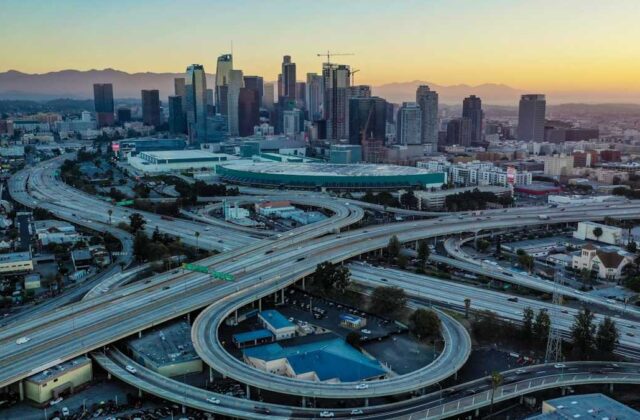
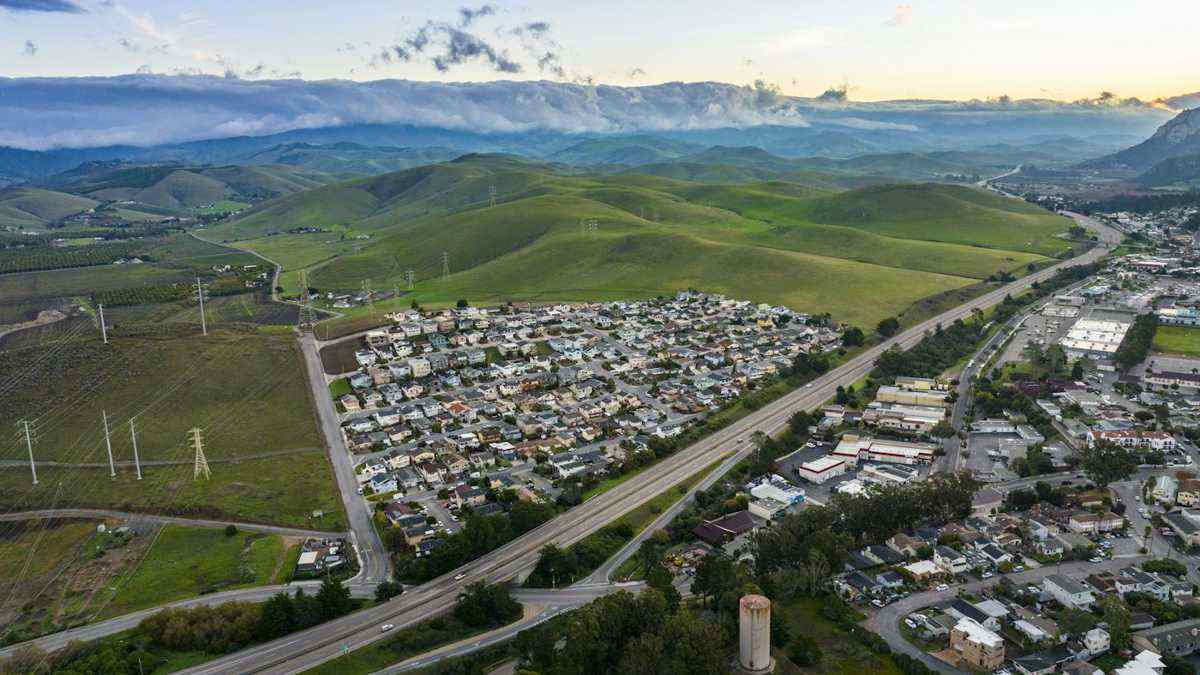
The 118 is the spine of both neighborhoods. Porter Ranch sits on it between Corbin and Reseda, Granada Hills runs along it to the 405 and the 5, and the commute traffic is fast and dense at the ramps. Rinaldi Street runs parallel a few blocks south and takes the overflow, with Providence Holy Cross Medical Center, the nearest trauma center, on it in Mission Hills. This guide covers who investigates, where to get care, and what to keep from the first hour through the end of the claim.
Who investigates a crash on the 118
The California Highway Patrol handles collisions on the Ronald Reagan Freeway from Chatsworth to the 5, including the on-ramps and off-ramps. The CHP’s West Valley Area office at 5825 De Soto Avenue in Woodland Hills, phone (747) 373-3000, covers most of the San Fernando Valley. The Altadena Area office at 2130 Windsor Avenue in Altadena, phone (626) 296-8100, patrols portions of the 118, the 5 and the 210 on the east side, so a crash near the 118 and 5 interchange can belong to either. The officer’s card or the report number tells you which office wrote your report, and CHP reports are requested from that office.
A CHP report contains a diagram, each driver’s account, witness statements, insurance information, and a line naming the Vehicle Code section the officer believes was violated. On a freeway the officer almost never saw the crash, and the report leans on debris fields, gouge marks and resting positions. It does not decide fault in a civil case, but insurance companies lean on it, so errors should be corrected through the reporting officer in the first month.
On the surface streets: LAPD Devonshire
Granada Hills and Porter Ranch are part of the City of Los Angeles, and their surface streets are covered by the Devonshire Community Police Station at 10250 Etiwanda Avenue, Northridge, CA 91325, phone (818) 832-0633. The Mission Community Police Station at 11121 North Sepulveda Boulevard in Mission Hills lists Knollwood among its communities, so the eastern end of Granada Hills can fall to that station. Either way, collision investigations for the Valley run through the LAPD’s Valley Traffic Division at 7870 Nollan Place in Panorama City.
A copy of an LAPD report comes from the Records and Identification Division rather than the station. The LAPD releases collision reports online through the LexisNexis portal it uses, but asks you to allow a minimum of 45 days from the date of the collision before requesting online. Requests can also be mailed to the Records and Identification Division, Document Processing Unit, P.O. Box 30158, Los Angeles, CA 90030, with the request form and a $19 check or money order. Reports involving an arrest, a fatality or a juvenile must be requested by mail.
What to do at the scene
On the 118, the first rule is to get off the roadway. If the car moves, take it to the shoulder or the next exit. If it does not, leave the car on the side away from traffic and get behind the barrier, because secondary crashes hurt people who walked away from the first one.
Then call 911, and while you wait:
- Photograph every vehicle from all four corners, the resting positions, the lane markings, skid and gouge marks, debris, and the ramp or sign nearest the crash.
- Photograph the other driver’s license, insurance card and plate. If a commercial vehicle was involved, photograph the company name, the DOT number and the trailer plate as well.
- Ask anyone who stopped for a name and cell number, because freeway witnesses leave the moment the officer arrives.
- Save your dash camera footage before the device records over it, and ask witnesses whether they have any.
- Answer the officer’s factual questions, exchange information, and say nothing about fault or about feeling fine.
Ask the officer for the report number and their name before you leave.
Getting medical care
Be seen the same day, or the next morning at the latest. Freeway crashes happen at speeds that injure the spine and the brain even when the airbags did their job, adrenaline hides those injuries for hours, and the date on the first medical record anchors the claim.
Providence Holy Cross Medical Center at 15031 Rinaldi Street in Mission Hills is a Level II trauma center and the hospital ambulances use for serious injuries from the 118. Northridge Hospital Medical Center at 18300 Roscoe Boulevard has a full emergency department and is the only pediatric trauma center in the San Fernando Valley. For soreness, sprains and cuts, an urgent care creates the same-day record you need; go to the emergency room for a blow to the head, chest or abdominal pain, numbness, or bleeding that will not stop.
Tell the doctor about every symptom. Headaches, trouble concentrating and light sensitivity in the days after a crash are concussion symptoms, and our page on brain injury cases explains why early documentation matters.
What to keep
Freeway cases turn on evidence that is easy to lose. This is what we ask clients to hold onto.
The car, unrepaired, until it has been photographed and inspected. Modern vehicles record speed, braking and seat belt use in the seconds before a crash in the airbag control module, and that data is lost when the car is scrapped. If the insurance company wants to total the car, ask where it will be held and do not release it until it has been inspected.
Dash camera and phone video, the photographs and the officer’s card. Copy the video to two places the same day.
Every medical record, bill and receipt. Discharge papers, imaging reports, prescriptions, therapy schedules and anything paid out of pocket. Under Howell v. Hamilton Meats, recoverable medical damages are the amounts actually paid or owed, so the billing records matter as much as the treatment notes.
Pay records and a short daily note. Time missed from work, documented by the employer, and a few lines each day on what hurts and what you could not do. Months later that note is the only record of those weeks.
Anything that shows the force of the crash, from torn clothing to a broken car seat, and every letter and email from any insurance company.
Preservation letters do the rest. A written demand to preserve the car, the airbag data and any video goes to the other driver, the vehicle owner and their insurer in the first days. When a commercial vehicle was involved it also covers the driver’s logs and electronic logging device data, which the company keeps only for limited periods, and our truck accident page covers those cases.
The insurance calls
Report the crash to your own insurance company promptly and ask what coverage you carry. Medical payments coverage, if you bought it, pays medical bills regardless of fault. Uninsured and underinsured motorist coverage, which insurers must offer under Insurance Code 11580.2, becomes the whole case when the driver who hit you carries California’s minimum of $30,000 per person under Vehicle Code 16056, or nothing at all.
The other driver’s insurance company will call within a day or two and ask for a recorded statement. Nothing obligates you to be recorded by a company that insures someone else, and the questions are written to produce quotable answers about speed and lane changes before you know how badly you are hurt. Decline politely and talk to a lawyer first. An early settlement offer deserves the same caution, because signing the release closes the claim for good.
Once a claim is properly submitted, the Fair Claims Settlement Practices Regulations require the insurance company to accept or deny it within 40 days of receiving proof of claim (10 CCR 2695.7), or explain in writing why it needs more time. California applies pure comparative negligence under Li v. Yellow Cab, so a person found partly at fault still recovers the share of damages the law allows, reduced by that percentage, and freeway cases are where insurers push hardest on shared fault.
The deadlines and the courthouse
Under Vehicle Code 16000, a driver in a crash that causes injury or death, or more than $1,000 in damage to any one person’s property, must file the DMV form SR-1 within 10 days.
The deadline to file a lawsuit for personal injury in California is generally two years from the date of injury under Code of Civil Procedure 335.1. Where a minor is injured, Code of Civil Procedure 352 tolls that period.
A shorter clock runs when a public entity is involved. A Caltrans road condition on the 118, a Metro bus on Rinaldi or a city vehicle on Chatsworth Street brings in Government Code 911.2, which requires a written claim to the public entity within six months of the injury, before any lawsuit. Tolling for minors does not extend that rule.
If a lawsuit is filed, it goes to the Los Angeles Superior Court. Under the court’s Local Rule 2.3, an unlimited civil personal injury case is filed in the Central District at the Stanley Mosk Courthouse at 111 North Hill Street, and the court may later transfer it to a district courthouse such as the Chatsworth Courthouse at 9425 Penfield Avenue, which serves the North Valley District. Most cases settle, but a filed case usually runs 12 to 24 months.
How we handle Granada Hills and Porter Ranch cases
Manoukian Law Firm’s office is at 9520 Topanga Canyon Boulevard, Suite 102, in Chatsworth, about ten minutes west on the 118. The files we see from these neighborhoods are ramp and merge crashes on the 118, rear-end collisions on Rinaldi and Balboa, and left turns on Chatsworth Street. Every file is handled by the attorney you hire.
The early work is practical: requesting the report from the right agency, sending preservation letters for the vehicle and the video, requesting the hospital records, and taking over the insurance calls. Meetings happen at the Chatsworth office or by phone or video, and the firm helps clients in English, Spanish and Armenian. You can read more about car accident claims, or see the Granada Hills page and the Porter Ranch page for the neighborhoods.
Key points
- On the 118 and its ramps the CHP investigates, usually the West Valley Area office in Woodland Hills; on surface streets it is the LAPD Devonshire station on Etiwanda Avenue.
- Keep the car unrepaired until it is inspected, copy dash camera video the same day, and hold every medical bill and pay record.
- Be seen the same day at Providence Holy Cross, Northridge Hospital or an urgent care.
- File the DMV SR-1 within 10 days and decline a recorded statement to the other driver’s insurance company.
- The deadline to file a lawsuit is generally two years under Code of Civil Procedure 335.1, and six months for a written claim when Caltrans, Metro or the City is involved.
Frequently asked questions
How do you know whether the CHP or the LAPD has the report?
On the 118 or a ramp, it is the CHP, and the officer’s card or the report number identifies the Area office. On a surface street in Granada Hills or Porter Ranch it is the LAPD Devonshire station, or in some cases the Mission station.
The insurance company wants to total the car. Should you let them?
Not before it has been photographed and, in a serious crash, inspected. The airbag control module holds speed and braking data from the seconds before impact, and once the car is scrapped that evidence is gone.
What if the driver fled on the 118?
Report it to the CHP immediately and get examined the same day. Your own uninsured motorist coverage is usually the source of recovery in a hit-and-run, and those claims have their own notice requirements.
Does a CHP report carry more weight than an LAPD report?
No. Both are one officer’s reconstruction after the fact, and neither decides fault in a civil case. The physical evidence, the video and the medical records carry the weight.
If you were hurt on the 118 or anywhere in Granada Hills or Porter Ranch, we are glad to talk it through, whether or not you hire anyone. Call Manoukian Law Firm at (818) 818-5031 or reach us through the contact page. Consultations are free and there is no fee unless we recover for you.