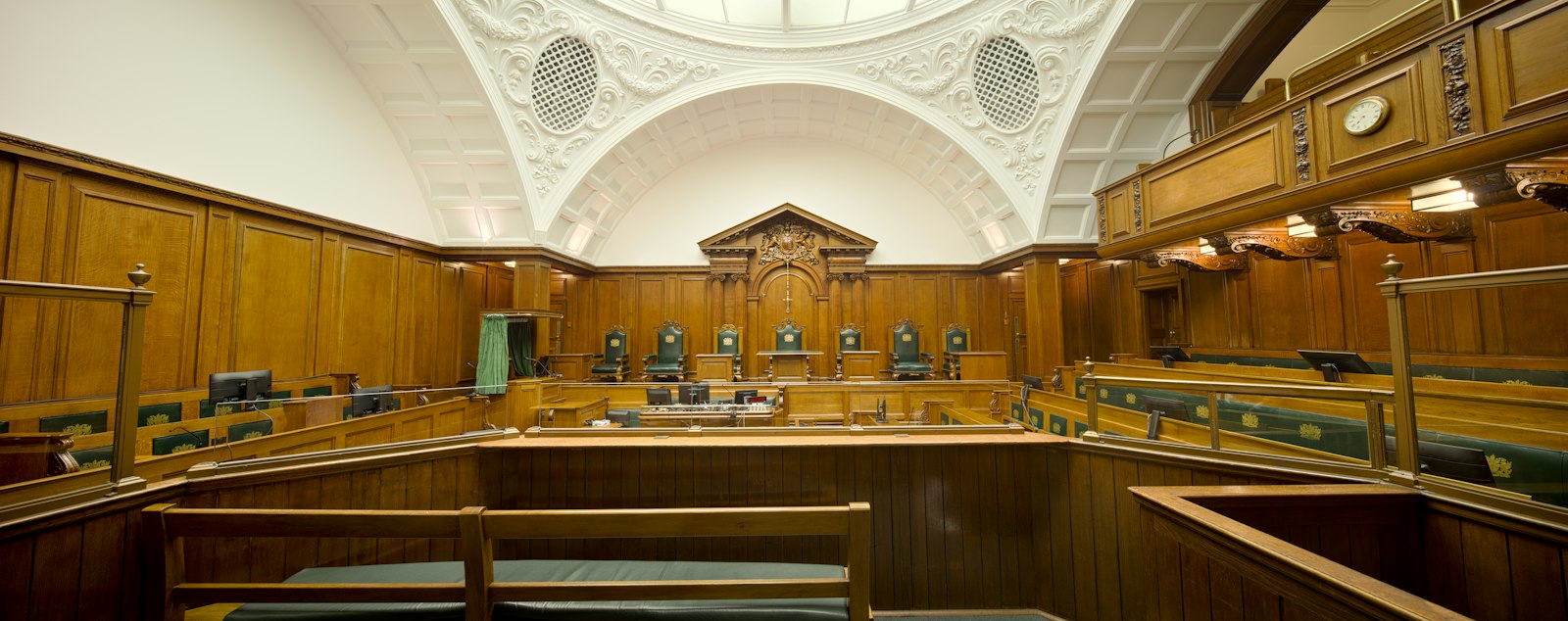
Probably not, at least not for a trial. Most personal injury cases in California settle without anyone stepping into a courtroom, and a good share of them settle before a lawsuit is even filed. If a lawsuit is filed, you will almost certainly give a deposition, which is sworn testimony in a conference room, not in front of a judge. A jury trial happens in a small percentage of cases, usually when the insurance company disputes who was at fault or refuses to pay a reasonable number for the injury.
What decides whether your case goes to court is not how badly you were hurt. It is the gap between what the insurance company offers and what the case is worth, and whether that gap can be closed with evidence. A rear-end crash on the 118 with clear liability, $18,000 in medical bills and a $100,000 policy usually settles through a demand letter and a few phone calls. A disputed left turn at Nordhoff and Reseda with no witnesses and a client who waited three weeks to see a doctor is the kind of file where the carrier bets on a jury, and the case gets filed. Filing is a tool for moving the number. It is not a commitment to trial.
Will I have to go to court for a personal injury case?
In most cases, no. The large majority of California injury claims settle with the insurance company, either before a lawsuit or during litigation. If a case is filed, you will probably sit for a deposition and attend a mediation, both of which happen in offices. Only a small percentage of injury cases reach a jury, and those are usually the ones where fault or the value of the injury is seriously disputed.
The stages of a California injury case, and where you have to show up
The claim stage comes first. Your attorney collects the police report, photos, medical records and bills, and sends a demand to the insurance company once your treatment is finished or your condition is stable. You show up for doctor appointments and a few calls with the office. No court is involved, and many cases end here.
If the insurance company will not pay a fair number, or the two-year deadline under Code of Civil Procedure 335.1 is getting close, a complaint is filed in Los Angeles Superior Court. You sign a verification or two. You do not appear for the filing. Negotiations usually keep going in the background.
Discovery is where you participate. The defense sends written questions and document requests that you answer with your attorney. Then comes your deposition: you, your attorney, the defense attorney and a court reporter in a conference room in Encino or downtown, or on a video call. For a typical car crash case it lasts two to four hours. The defense may also schedule an examination with a doctor of their choosing. None of this is a courtroom.
Mediation comes next in most filed cases. A retired judge or a private mediator meets with both sides for half a day. The majority of filed cases that did not settle earlier settle here or in the weeks after. Los Angeles Superior Court also sets a mandatory settlement conference before trial, which is another chance to resolve it.
Trial is the last step, and most people never get there. Los Angeles civil cases typically reach trial 18 to 24 months after filing. An ordinary injury trial runs three to seven court days. You testify, your doctors testify, and a jury decides. Even cases set for trial often settle the week before, because that is when the insurance company finally has to put real money on the table.
Why the insurance company might push a case toward court
Carriers file their cases into categories, and a few things move a file from the “settle it” pile to the “make them prove it” pile. Disputed fault is the first. Two drivers each say they had the green at Sherman Way and Balboa, no camera, no independent witness. The adjuster offers half the value or nothing, and only a lawsuit gets a straight answer.
A preexisting condition is the second. A 52-year-old with neck pain after a crash will have an MRI that shows degenerative disc changes, because almost every 52-year-old does. The carrier argues the pain was there before. The answer is medical history showing no prior treatment and a treating doctor who can explain why the crash is the cause, but that answer sometimes has to be given under oath before the carrier accepts it.
Gaps in treatment are the third. Someone who went to Northridge Hospital the night of the crash, then did nothing for two months, then started physical therapy, will hear that the therapy was for something else. The carrier knows this argument plays to a jury, so it holds the offer down.
The fourth reason has nothing to do with you. Insurance companies know which attorneys file lawsuits and which ones take whatever is offered. A file with an attorney who does not file gets a lower offer and stays there.
What you should do now so your case can settle
Treat consistently and follow your doctors’ instructions. The medical record is the backbone of any injury claim, and a record with no gaps is the thing that makes a carrier pay without a fight. Tell every doctor your full history, including prior injuries, because the defense will find them anyway and a surprise is worse than a disclosure.
Stay off social media about the crash, your injuries and your activities. A photo from a hike in Chatsworth Park two weeks after the crash will be Exhibit A at your deposition even if you were in pain the whole way up.
Do not give a recorded statement to the other driver’s insurance company before you have talked to an attorney. Those statements are taken to find inconsistencies, and inconsistencies are what turn settleable cases into litigated ones.
If a deposition does happen, prepare for it. A calm, honest witness who answers the question asked and does not guess is the single most reliable reason a defense attorney calls the carrier afterward and recommends settlement.
Mistakes that turn a settleable case into a trial case
Exaggeration is the most common. A client who says they cannot lift a grocery bag, then is filmed loading a Costco cart in Northridge, has lost the case even if the injury was real. Hiding a prior injury is the second. If you saw a chiropractor after a 2021 fender bender, say so. Those records are a subpoena away.
Refusing a reasonable offer out of anger is the third. Some clients want the other driver punished. A civil case does not do that. It pays money for proven losses, and the question is always whether the number on the table is fair for the injury, not whether it feels like enough for what happened.
Running up treatment that the injury does not support is the fourth. Eighteen months of chiropractic visits for a soft tissue strain makes the bills look manufactured, and juries notice.
Questions people ask next
Do I have to go to court if the other driver was clearly at fault? Usually not. Clear fault cases settle more often than any other kind. A lawsuit may still be filed if the carrier disputes how badly you were hurt, but it will probably end at mediation.
What happens at a deposition? You answer questions under oath about the crash, your injuries, your treatment and your history, with your attorney beside you. There is no judge, no jury and no verdict. It is a fact gathering session that usually lasts a few hours.
Can I decide not to go to trial? Yes. The decision to settle is always yours. Your attorney gives you a recommendation and tells you what the risks are, but no case settles without the client’s agreement, and a client can accept an offer at any stage.
Manoukian Law Firm handles injury claims and lawsuits throughout Los Angeles County, and the attorney, Vaheh Manoukian, personally handles each case from the first call through settlement or trial. If you are wondering whether your case will end up in court, call (818) 818-5031 for a free consultation.