A motorcycle accident case in California usually takes six to twelve months to settle after your treatment is finished, if the other driver’s fault is clear and their insurance is enough to cover the injury. If fault is disputed, which happens in motorcycle cases more than in any other kind of crash, or the injuries involve surgery, a lawsuit gets filed and the case runs 18 to 24 months or longer. The length is driven by two things: how long you treat, and whether the insurance company accepts that its driver caused the crash.
The thing that decides the timeline in a motorcycle file is the fault fight. Drivers who turn left in front of a rider on Devonshire Street, or change lanes into a rider on the 405, routinely tell the officer the motorcycle “came out of nowhere” or was speeding. The adjuster takes that statement and assigns the rider 30 to 50 percent fault, which under California’s comparative negligence rule cuts the recovery by that share. A case where the rider was lane splitting adds another layer, because the carrier will argue the splitting was unsafe even though it is legal. Proving the driver’s fault, through the physical evidence, the damage locations, witnesses and sometimes a reconstruction, is the work that takes time. A rider with a broken leg and a driver who admitted fault at the scene settles in months. The same leg with a driver who blames the rider is a litigated case.
How long does a motorcycle accident case take in California?
Six to twelve months after treatment ends when fault is clear and the policy limits cover the injury. Eighteen to twenty-four months or more when a lawsuit is filed, which is common in motorcycle cases because drivers blame the rider and insurers assign comparative fault. Cases with surgery, permanent injury or an uninsured driver take longer because the demand waits for the full picture of the injury.
What takes the time, stage by stage
Treatment comes first and usually lasts longest. Motorcycle injuries tend to be orthopedic: fractured tibias, wrists, collarbones, road rash that needs grafting, shoulder tears. A rider taken to Providence Holy Cross after a crash on the 118 with a plated tibia will be in surgery, then non-weight-bearing, then physical therapy for six to nine months. The demand does not go out until the surgeon can say whether the hardware stays, whether there will be a second surgery and what the permanent limits are. Sending it earlier leaves money on the table.
Investigation runs in parallel. The CHP or LAPD report, photos of the vehicles and the scene, the rider’s gear and helmet, witness statements, and any dash or traffic camera footage. In disputed cases, an accident reconstruction looks at skid marks, crush damage and where the bike and rider came to rest. That takes a few months and is worth it when the driver’s story does not match the physics.
Insurance limits get checked early. A driver with California minimum coverage has $30,000 per person for injury under Vehicle Code 16056. A fractured leg with surgery is worth far more than that. If the driver’s limits are low, the case moves quickly to a policy limits demand against the driver and then to your own underinsured motorist coverage, which has its own claim process and sometimes an arbitration. That second step can add six months.
The demand and negotiation phase takes one to three months with a carrier that accepts fault. With a carrier that assigns the rider 40 percent, the offer will be 40 percent short, and the only lever is filing.
Litigation in Los Angeles Superior Court means discovery, depositions of the rider, the driver and any witnesses, witness disclosures if fault is contested, mediation, and a trial date 18 to 24 months out. Most cases settle at or after mediation.
What the insurance company will argue about a rider
Speed is the first argument, with or without evidence. The carrier will say the bike was going too fast for the driver to see it, and will point to the severity of the damage as proof. Reconstruction answers that, using the driver’s own turn and the sight lines at the intersection.
Lane splitting is the second. Splitting is legal in California under Vehicle Code 21658.1, but the carrier will argue it was done unsafely, too fast or in the wrong gap. The CHP safety guidelines are not law, but the carrier will quote them as if they were.
Visibility is the third: dark clothing, no headlight modulator, the rider was in the blind spot. Gear is the fourth, especially the helmet. A rider without a DOT helmet who suffers a head injury will be assigned fault for that injury, and a rider with a helmet will still be asked about it.
Bias is the unspoken fifth. Insurers know some jurors see a motorcycle and think risk-taker. They price that into their offers, and it is one reason motorcycle cases need the fault evidence nailed down before a demand is sent.
What you should do now
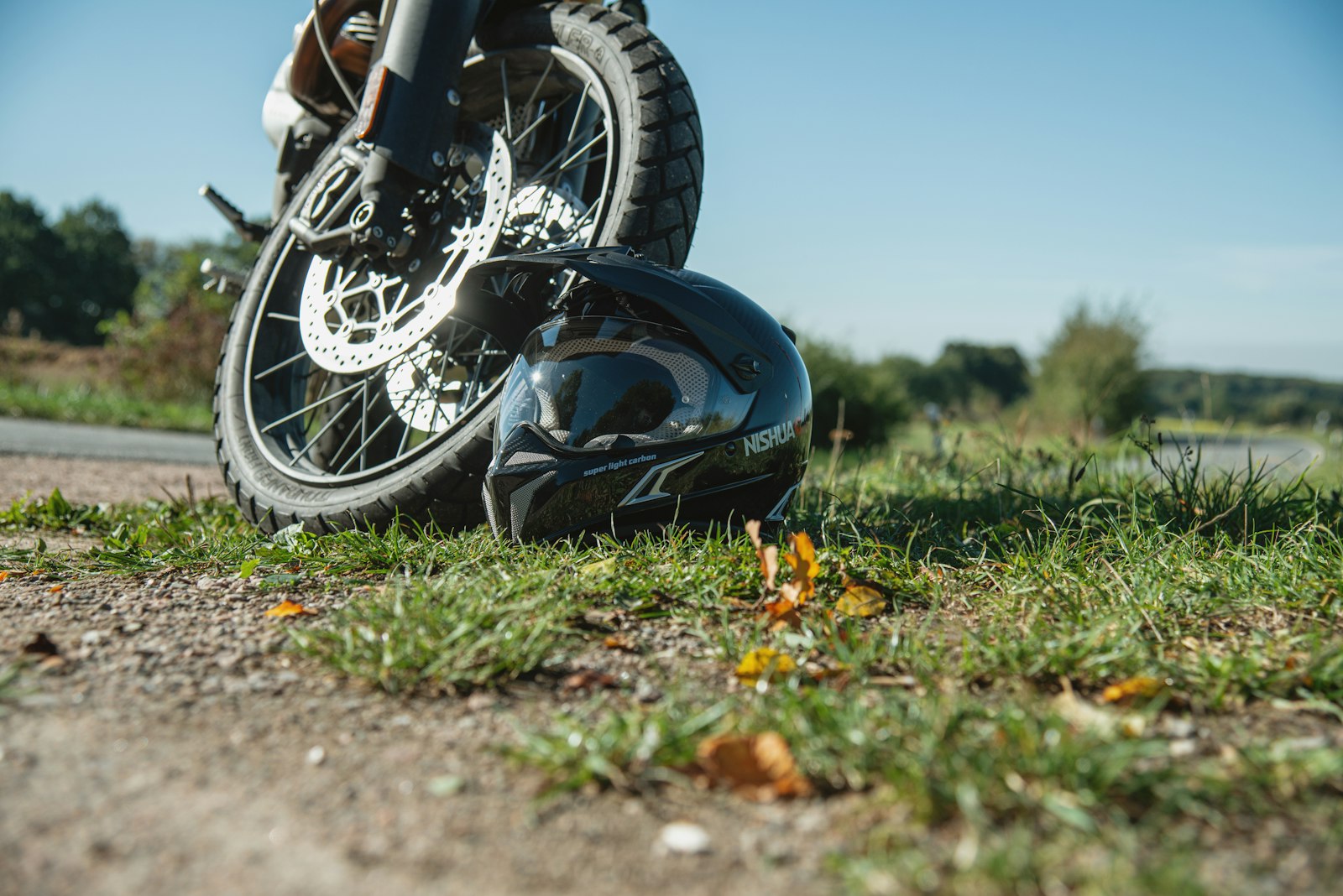
Get the bike and the gear preserved. Do not let the insurance company total the bike and send it to auction before it is photographed and inspected, because the damage pattern is evidence of how the crash happened. Keep the helmet, jacket and boots as they were after the crash.
Treat consistently and follow the surgeon’s plan. Riders are a tough group and tend to push through pain and skip follow-ups. Every missed appointment is a page in the carrier’s file.
Do not talk to the driver’s insurance company. Riders often want to set the record straight about what happened. Do it through your attorney, in writing, with the evidence attached.
Check your own policy for uninsured and underinsured motorist coverage. Many riders carry only liability on the bike and are surprised to learn their car policy’s UM coverage may not apply to a motorcycle crash.
Mistakes that add months or cost the case
Giving a recorded statement in which you estimate your speed. Agreeing to a quick settlement with the driver’s carrier before the surgical outcome is known. Letting the bike go. Posting ride photos while claiming you cannot work. Missing the two-year statute of limitations under Code of Civil Procedure 335.1, or the six-month government claim deadline if a road defect or a city vehicle was involved.
Questions people ask next
Do motorcycle accident cases take longer than car accident cases? Often, yes, because fault is disputed more often, the injuries are more serious, and the driver’s policy limits are more often too low, which adds an underinsured motorist claim.
How long after a motorcycle accident can I file a claim in California? Two years from the crash for a lawsuit against the driver, and six months to file a government claim if a public entity is involved.
Will lane splitting hurt my case? Not by itself. It is legal. The carrier will argue it was done unsafely, and the evidence of how the crash happened decides whether that argument has any weight.
Manoukian Law Firm handles motorcycle accident cases throughout Los Angeles County, and the attorney personally handles the fault investigation, the policy limits demands and the underinsured motorist claim when the driver’s coverage runs out. For a free consultation about your crash, call (818) 818-5031.