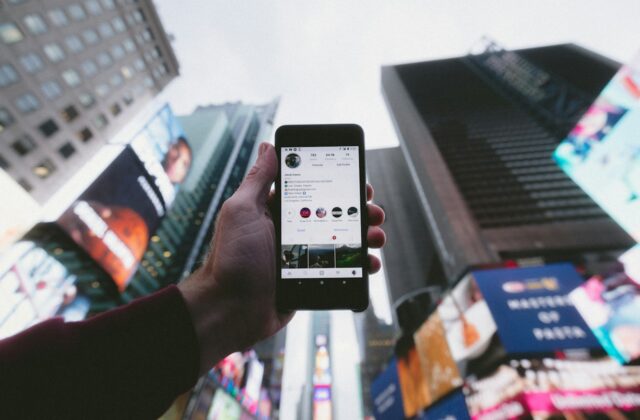
Yes. The insurance company will look at your social media, and it will do it early. Reviewing a claimant’s public Instagram, Facebook, TikTok and LinkedIn is a routine step for adjusters and defense investigators. Anything public is fair game without a subpoena. If the case is filed, the defense can request relevant posts, photos and messages from private accounts through discovery, and courts in California regularly order them produced when they relate to your injuries or activities.
What decides these cases is not a dramatic post. It is the ordinary one. A photo at a nephew’s birthday in Glendale, smiling, two weeks after a crash, becomes “the plaintiff was enjoying social events.” A check-in at a gym becomes “the plaintiff was working out.” A post from a trip to Big Bear becomes “the plaintiff was hiking.” None of those photos show pain, because people do not post pain. The defense knows that and uses the gap between the record of treatment and the record of a normal life. The way to handle it is to stop creating that record until the case is over, and to be accurate with your doctor about what you can and cannot do so the medical records explain the photos.
Can insurance companies look at your social media after an accident?
Yes. Anything you post publicly can be viewed, saved and used without your permission. In a filed lawsuit, the defense can serve discovery requests for private posts and photos that relate to your injuries, your activities, or the accident, and a judge will usually order relevant material produced. Posts are used to argue that you are less hurt than claimed, that you were doing things your injury should prevent, or that you said something about the crash that differs from your testimony.
What they look for
Three categories. First, anything about the crash itself: “got rear-ended on the 405 today, I’m fine,” or a photo of the car with a caption. “I’m fine” posted an hour after a collision, before the neck stiffness set in, is quoted in every settlement letter afterward. Second, physical activity: gym, hiking, dancing at a wedding, carrying a child, moving furniture, yard work. Third, mood and travel: a trip to Vegas, a beach day, a concert at the Hollywood Bowl, anything the defense can present as inconsistent with a claim of ongoing pain or limitation.
Investigators also look at friends’ and family members’ accounts, where you are tagged. Your own privacy settings do not control what your cousin posts.
A real pattern from these files: a client treating for a lumbar injury attends a quinceañera in Van Nuys, dances for one song because the family insists, and is tagged in a 12 second video. The physical therapy note from three days later records increased pain after “a family event.” The video and the note, taken together, show a person with a real injury trying to live a normal life. The video alone, which is what the defense will show first, looks like something else. The point is that the medical record has to be complete and honest so it can supply the context.
How it is used
Before a lawsuit, the adjuster uses posts to justify a low offer. The letter will say something like “our review indicates the claimant has remained active.” After a lawsuit, the defense attorney will ask about specific posts in your deposition, with printouts. The question is not “were you in pain in this photo?” It is “you were able to attend this event and stand for several hours, correct?” At trial the photos go on a screen.
The answer, when the case is prepared properly, is that the medical records already explain it. A person with a herniated disc can attend a birthday party. The record from the physical therapist that week saying the patient reports pain at 6 out of 10 with prolonged standing is the context the photo lacks. Problems arise when the posts and the medical history diverge, for example when a patient tells a doctor she cannot lift more than ten pounds and a video shows her lifting a cooler.
What you should do now
Stop posting about the accident, your injuries, your treatment, and your activities until the case is over. Do not post photos of yourself doing anything physical. Ask family and friends not to tag you. Set accounts to private, which limits casual review but does not prevent discovery. Do not accept friend requests from people you do not know; investigators create accounts. If you use messaging apps to talk with family about the crash, keep in those messages the same accuracy you would use with your doctor, because messages that discuss the accident or your injuries can be requested.
Do not delete existing posts after a claim is made. Deleting evidence once a claim is reasonably anticipated can be treated as spoliation, and a judge can tell the jury to assume the deleted material was unfavorable. That instruction is worse than almost any photo. If something already posted worries you, tell your attorney and leave it alone.
What the defense can and cannot get
The defense cannot demand your passwords or your whole account. Discovery has to be limited to content relevant to the case, generally posts about the accident, your physical condition and activities, and your emotional state if you are claiming more than ordinary pain and suffering. Courts have refused broad requests for everything a plaintiff ever posted. Your attorney objects to overbroad requests and produces what is actually relevant. Private messages can be requested if they discuss the accident or your injuries.
Common mistakes
Posting “I’m okay” from the scene. Posting the other driver’s information or a rant about the crash. Posting gym or travel photos while treating. Deleting posts after the claim starts. Accepting a friend request from a stranger during the case. And telling your doctor one thing and your followers another.
Questions people ask next
Can they see my private account? Not without a subpoena or court order, but in a filed case relevant private content can be ordered produced. Private is not protected.
What if a friend posts a photo of me? It is discoverable the same way, and investigators look at tagged photos. Ask friends not to post you until the case is over.
Does deleting my account help? Deleting after a claim is anticipated looks like destroying evidence. Deactivating, where nothing is deleted, is sometimes acceptable; ask your attorney first.
Manoukian Law Firm handles personal injury cases throughout the San Fernando Valley and Los Angeles County, and the attorney, Vaheh Manoukian, advises every client on social media at the first meeting so there are no surprises in a deposition. If you were hurt in an accident and have questions about what the insurer can see, call (818) 818-5031 for a free consultation.