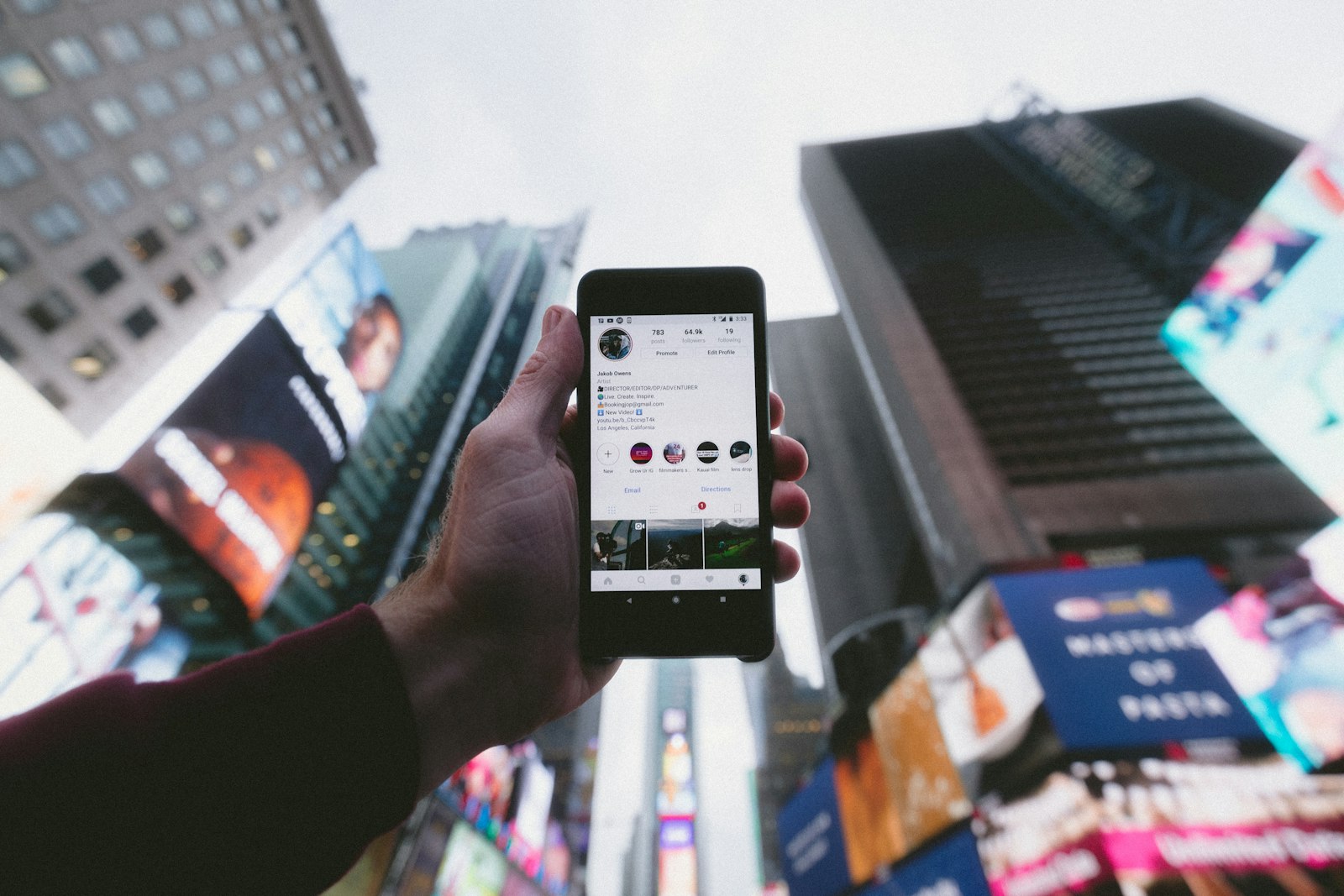
Posting about your accident on Instagram does not end your claim, but every post, story, comment and tagged photo is potential evidence, and the other side can get it. Insurers check social media as a routine step, and once a lawsuit is filed, your posts can be requested in discovery even from a private account. The right move now is to stop posting about the crash, your injuries, or your activities, set your accounts to private, and not delete anything, because deleting after a claim has started creates a worse problem than the posts themselves.
What decides these cases is whether the posts contradict the claim. A photo of your crumpled bumper with the caption “some guy ran the light on Laurel Canyon, I’m shaken up” is harmless and may even be useful, because it’s a dated record of the crash and your immediate reaction. A story from a hike at Runyon Canyon two weeks later, while your records say you can’t stand for more than fifteen minutes, is a different matter. The post doesn’t have to show you doing something you can’t do. It only has to look that way to an adjuster or a juror who sees it without context. A smiling photo at a Dodgers game is read as “she’s fine,” even if you went for three innings on painkillers and paid for it for two days.
Can my Instagram posts be used against me in a personal injury case?
Yes. Social media posts are discoverable in California if they are relevant to the claim, and a private account does not prevent that. Insurers review public profiles as a matter of course, and in litigation the defense can request posts, photos and messages that relate to your injuries, activities and the crash itself. Posts that contradict your claimed limitations or describe the crash in a way that differs from your account are the ones that do damage.
How social media evidence works in California
California’s discovery rules allow a party to obtain anything relevant to the case that is reasonably likely to lead to admissible evidence. Your physical activities after a crash in which you claim physical limitations are relevant. So are your statements about how the crash happened, how you felt that day, and what you’ve been doing since. Courts have ordered plaintiffs to produce social media content and have limited those orders to relevant time periods and subjects, so the defense doesn’t get your entire account, but they do get the part that matters.
Privacy settings slow down an adjuster’s informal look, and they’re worth using, but they don’t stop a discovery request. Content you’ve “deleted” is often recoverable from the platform. And friends’ accounts are outside your control entirely. If a friend posts a photo of you at a bar in Studio City and tags you, that photo exists whether or not you ever posted anything.
Deleting posts after a claim has begun can be treated as spoliation, the destruction of evidence. A judge can instruct a jury that the deleted content would have been unfavorable to you, which is worse than almost anything the post itself could have shown. Making the account private is fine. Deleting is not.
What the insurance company will do
Adjusters search your name on Instagram, Facebook, TikTok and LinkedIn when the claim opens. Some insurers assign investigators who do it more thoroughly, and some will try to follow you from an account that looks like a mutual friend. Anything they find that undercuts the claim goes into the file and comes out in the offer letter or, later, in your deposition.
A Van Nuys client with a documented shoulder injury posted a short video of himself at a friend’s wedding, dancing for about twenty seconds with his good arm raised. The defense attorney played it at his deposition. His explanation was true and was supported by his records: he had been cleared for light activity, he had taken medication that day, and his physical therapy notes from the following week showed increased pain. But the video cost the claim credibility it had to earn back over several months, and it changed the tone of every negotiation afterward.
The insurer will also read posts about the crash itself. “I was looking at my phone for a second” or “didn’t see him coming” is an admission. “Lol got rear ended, I’m fine” is the scene statement with a timestamp.
What to do now
Stop posting about the crash, your injuries, your treatment, your lawyer, your settlement, and anything physical you’re doing. That includes stories, comments on other people’s posts, and replies to friends who ask how you’re doing. Set every account to private. Don’t accept follow requests from people you don’t know. Ask close friends and family not to tag you or post about you for now.
Don’t delete anything. Instead, take screenshots of what’s already there and give them to your attorney. If there is a post that looks bad, it is far better for your attorney to know about it now and prepare an explanation than to be surprised by it in a deposition. Most posts that look bad have an honest explanation that fits the medical records, and the explanation works when it’s ready in advance.
Keep your direct messages in mind too. A DM to a friend saying “the lawyer says I should act more hurt” is as discoverable as a public post and far more damaging. Don’t write anything about the claim you wouldn’t say in front of the adjuster.
Common mistakes
Deleting the account is the big one. Posting a “check in” at a gym or a trampoline park is the second, because location tags are evidence of activity even if you sat on a bench. Posting the settlement amount, or even that you settled, can violate a confidentiality clause and cost money. Venting about the other driver by name invites a defamation complaint and gives the defense a motive argument. Accepting a follow request from a stranger during a pending claim is how investigators get past privacy settings. And assuming “my account is private so it doesn’t matter” is the most common mistake of all.
Questions people ask next
Can the insurance company see my private Instagram? Not casually, but in a lawsuit the relevant content can be requested through discovery, and friends’ public posts about you are visible to anyone.
Should I delete my social media after an accident? No. Make it private and stop posting. Deleting after a claim has started can be treated as destroying evidence.
What if a friend posted a photo of me? Ask them to take it down or untag you, and tell your attorney it existed. Don’t ask them to delete anything once a lawsuit is filed.
Manoukian Law Firm handles car, truck, motorcycle, rideshare, pedestrian and premises injury cases throughout Los Angeles County, and Vaheh Manoukian personally reviews each client’s social media exposure early so nothing surprises the file later. If you’ve posted about your crash and aren’t sure what it means for your claim, call (818) 818-5031 for a free consultation.