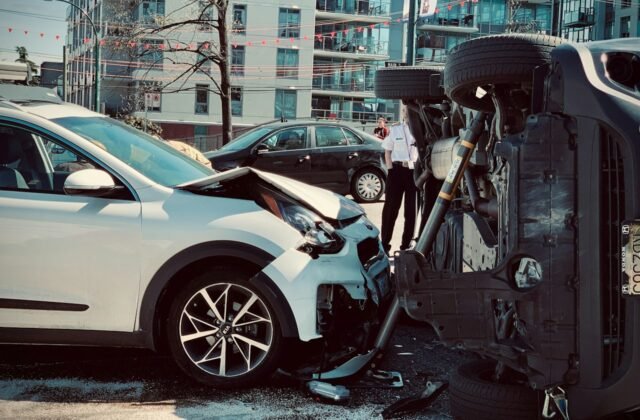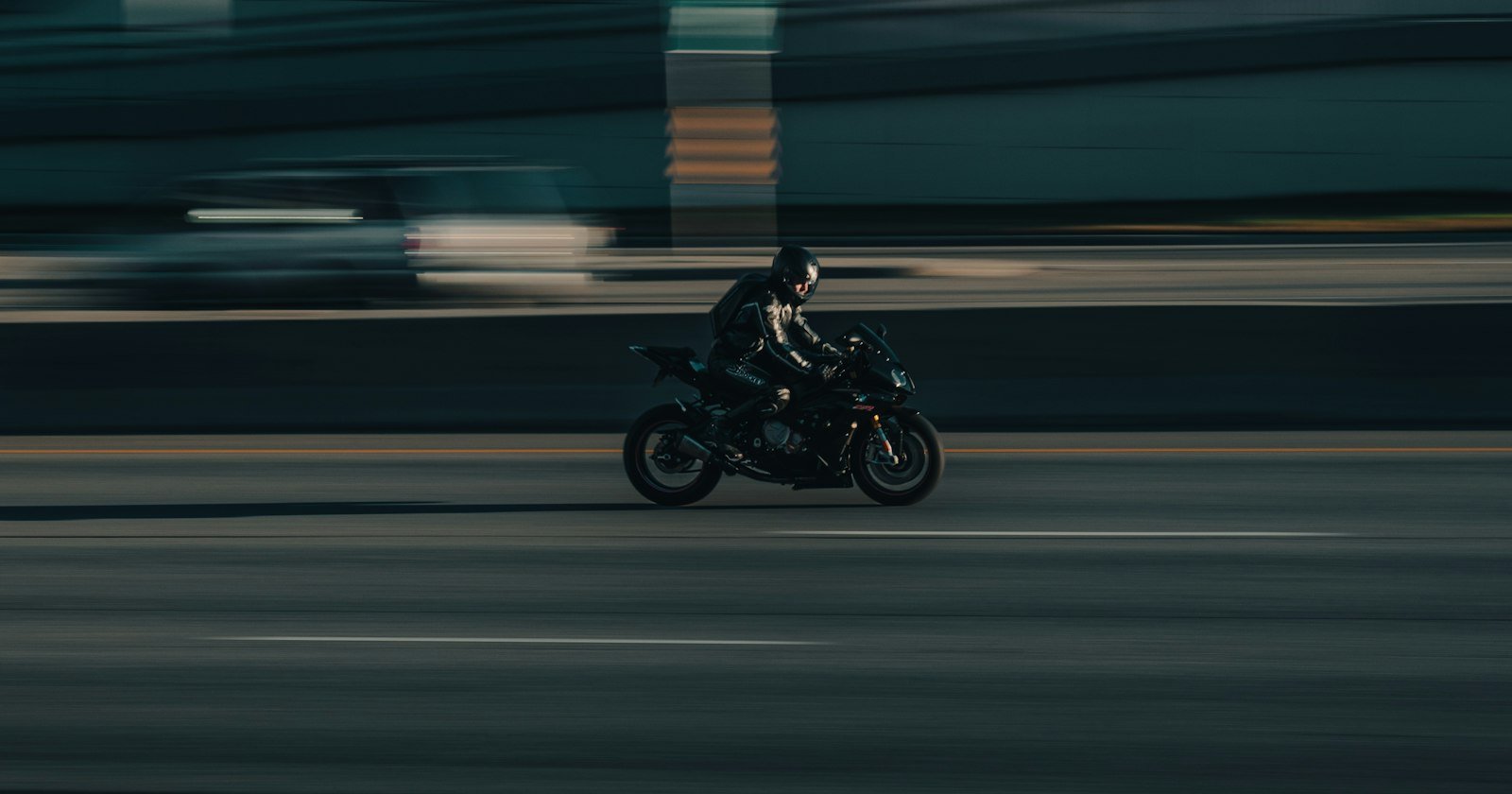
If a car turned left in front of your motorcycle in Los Angeles and you went down, you were in the single most common type of serious motorcycle collision there is, and on the law, one of the strongest. California requires a driver turning left to yield to every oncoming vehicle close enough to be a hazard, and a motorcycle in the oncoming lane is exactly that. Drivers turn into motorcycles because they do not see them, or they misjudge their speed and distance, and neither is a defense. Yet left-turn motorcycle cases are fought harder by insurers than almost any other clear-liability crash, because the injuries are severe and the policies are small, and because jurors carry assumptions about riders that insurers know how to use. Here is the law, the arguments you will hear, and how the case is built so the arguments do not work.
The rule
Vehicle Code section 21801(a) says that the driver of a vehicle intending to turn left shall yield the right-of-way to all vehicles approaching from the opposite direction which are close enough to constitute a hazard at any time during the turning movement, and shall continue to yield until the turn can be made with reasonable safety. Subsection (b) adds that once a left-turning driver has yielded and begun the turn, oncoming drivers must yield to him, which is the clause insurers lean on; it rarely applies, because the collision itself is strong evidence that the turn could not be made with reasonable safety.
The standard is simple. If the oncoming motorcycle was close enough that a reasonable driver would have waited, the turning driver is at fault. A driver who says “I didn’t see him” has described the violation. A driver who says “he was too far away and then he was suddenly there” has described a misjudgment of a motorcycle’s distance and speed, which is well documented in the human factors research on why drivers turn into motorcycles: a single headlight on a narrow vehicle is harder to range than a car, and drivers who are scanning for cars do not register motorcycles.
What the insurer will argue
Speed. The first and most common argument. The rider was going too fast, so the driver could not have anticipated him. The response is physical evidence: the distance from the point of impact to the rider’s final rest and the motorcycle’s, the damage to the car, skid marks if any, and the car’s event data recorder, which in most vehicles built in the last decade records the car’s own speed and whether its brakes were applied. A reconstructionist uses these to calculate the motorcycle’s speed with far more reliability than the driver’s estimate. Even where a rider was over the limit, section 21801 still required the driver to yield to a vehicle close enough to be a hazard, and comparative fault assigns a percentage, not a bar.
Lane splitting. If the collision happened in slow traffic and the rider was between lanes, the insurer will say the rider was where he should not have been. Lane splitting is legal in California under Vehicle Code section 21658.1, and the CHP has published guidelines for doing it safely. A driver who turns across stopped traffic without checking the gap between lanes has still failed to yield. Whether the rider’s speed differential was reasonable is a comparative fault question.
Conspicuity. Dark gear, no high-visibility vest, headlight not on. California requires motorcycle headlights on at all times for bikes built after 1978, and most have them hard-wired. A rider’s clothing color is not a traffic law, and the duty to look belongs to the turning driver.
Helmet. If the rider was not wearing a helmet, in violation of Vehicle Code section 27803, the insurer will argue the head injury would have been less severe. That is an argument about the extent of one category of damages, provable only with expert biomechanical evidence, and it does not affect fault for the collision or the other injuries.
Rider experience and the bike itself. A sport bike, a young rider, a recent license. None of this is evidence of what happened at the intersection, and it is kept out when the case is tried properly, but adjusters use it in negotiation.
Why the fight is so hard
Left-turn motorcycle collisions produce catastrophic injuries: leg fractures from the impact with the car, pelvic fractures, spinal injuries, brain injuries, and amputations when the leg is crushed between the bike and the car. The medical bills alone frequently exceed the driver’s policy within the first hospital stay. When the driver carries the California minimum, the insurer’s only question is how quickly to tender the limits, and the real case becomes one about the rider’s own underinsured motorist coverage, the driver’s employer if the driver was working, and any other responsible party.
When the driver has a large policy or a commercial policy, the insurer has every incentive to build comparative fault, and the arguments above are how it does so. Which is why the evidence has to be secured in the first days, before the car is repaired, the bike is scrapped and the witnesses disperse.
Building the case
The scene. Skid and gouge marks, debris field, point of rest for the rider and the bike, photographed and measured before they fade. The CHP and LAPD’s Valley Traffic Division take measurements in serious collisions, but their diagrams are not always complete, and a reconstructionist’s visit within days adds what they missed.
The car. Preserved for inspection before repair, with a demand to the owner and insurer. Its event data recorder downloaded. Its damage pattern documented.
The motorcycle. Preserved, not released to the insurer for salvage. Its damage, its headlight filament, which can show whether the light was on at impact, and its tires and brakes examined.
Video from businesses and homes at the intersection, requested within the week.
Witnesses, including the drivers behind the turning car, who saw the rider approaching and can say how long he was visible.
The driver’s phone records, in litigation, and the driver’s statements to police and insurer, which often contain the admission that he did not see the motorcycle.
The hospital record, which in this part of Los Angeles usually means Northridge Hospital Medical Center or Providence Holy Cross, and which should accurately describe the mechanism.
Key points
Vehicle Code 21801(a) requires a left-turning driver to yield to oncoming vehicles close enough to be a hazard. “I didn’t see him” is the violation, not a defense.
Insurers argue speed, lane splitting, visibility and helmet use. Physical evidence and the car’s event data recorder answer the speed argument; comparative fault reduces, it does not bar.
The injuries routinely exceed the driver’s policy. The rider’s underinsured motorist coverage and any employer of the driver are identified immediately.
Preserve the car, the bike and the scene before repair and salvage. Canvass for video in the first week.
Two years to file under Code of Civil Procedure section 335.1; six months for a government claim if the intersection design contributed.
Frequently asked questions
The driver was cited and admits fault. Why is the insurer still arguing? Because the amount at stake is large and the insurer’s job is to reduce it. Admitting fault for the turn does not stop the insurer from arguing your speed added a percentage. The evidence does.
I was going 10 over the limit. Does that kill my case? No. The driver still had to yield to a vehicle close enough to be a hazard. Your speed may be assigned a percentage of fault, and the reconstruction often shows the turn was unsafe regardless.
The driver’s policy is $25,000 and my bills are $300,000. What now? Your own underinsured motorist coverage, any policy on another vehicle in your household, the driver’s employer if he was working, and the driver’s personal assets in a serious case. The limits are identified in the first weeks.
How long will the case take? Serious motorcycle cases take longer because the injuries take longer to stabilize. Our article on how long a motorcycle accident case takes in California explains the stages.
Manoukian Law Firm, P.C., Chatsworth, California. Free consultation. No fee unless we win. Past results do not guarantee a similar outcome.