If you were hit by a car while crossing a street in Northridge, Chatsworth, Granada Hills or anywhere else in Los Angeles and the driver is telling the police and the insurance company that you “came out of nowhere,” you are hearing the most common sentence in pedestrian collision claims. It is usually a description of the driver’s attention, not the pedestrian’s behavior. California law puts a specific duty on drivers to yield to pedestrians in crosswalks, marked or not, and treats a driver’s failure to see a pedestrian who was there to be seen as the driver’s negligence. The phrase does not win cases for drivers. Evidence does. Here is what the law says, how insurers try to shift fault onto the person who was hit, and what has to be gathered in the first days.
What the Vehicle Code says
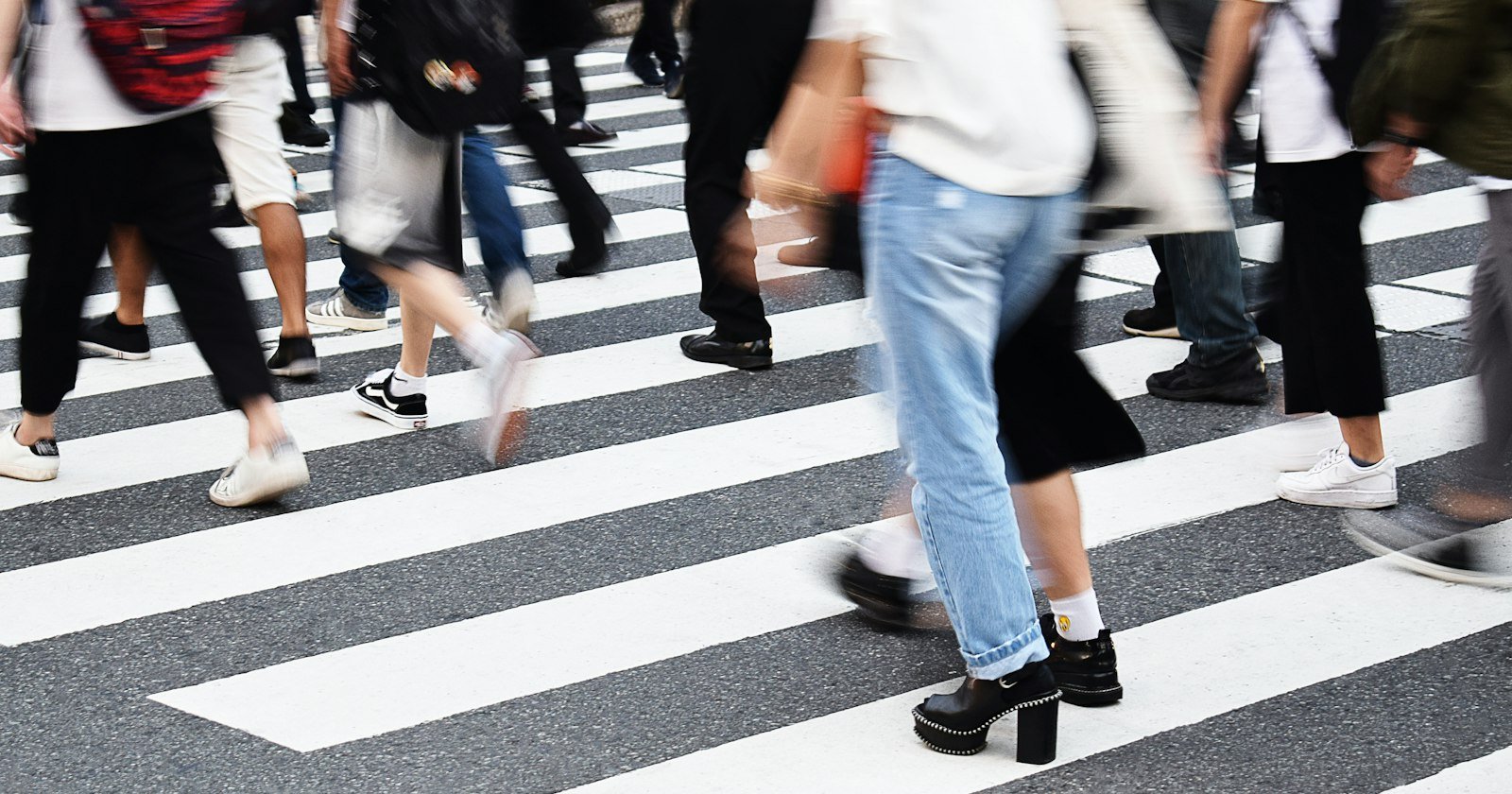
Vehicle Code section 21950 requires the driver of a vehicle to yield the right-of-way to a pedestrian crossing the roadway within any marked crosswalk or within any unmarked crosswalk at an intersection. Two parts of that sentence matter. First, every intersection has crosswalks whether or not lines are painted; the unmarked crosswalk is the extension of the sidewalk across the street. A pedestrian crossing at a corner without paint is in a crosswalk. Second, the duty is to yield, and the statute goes on to say that a driver approaching a pedestrian in a crosswalk must exercise all due care and reduce speed or take any other action necessary to safeguard the pedestrian.
The statute also places a duty on the pedestrian: not to suddenly leave a curb and walk or run into the path of a vehicle so close as to constitute an immediate hazard, and not to unnecessarily stop or delay traffic in a crosswalk. That is the clause insurers rely on when they say the pedestrian “darted out.” But the statute says in the same breath that the pedestrian’s duty does not relieve the driver of the duty of due care.
At signalized intersections, section 21456 governs the walk signals. A pedestrian who starts crossing on a steady walk symbol and is still in the crosswalk when the flashing hand appears has the right to finish crossing. Section 21954 covers pedestrians outside crosswalks, who must yield to vehicles, though drivers still owe them due care.
How fault is actually decided
The jury instruction at CACI 700 asks whether each person used reasonable care. Fault is divided by percentage under California’s comparative negligence rule. A pedestrian who is found 20 percent at fault recovers 80 percent of the damages. The insurer’s goal in a crosswalk case is not usually to win outright; it is to push the pedestrian’s percentage up. “Came out of nowhere” is the opening move.
The questions that decide it are concrete. Was the pedestrian in a crosswalk, marked or unmarked. What was the signal showing. How far into the crosswalk was the pedestrian when struck; a person hit in the third lane of a four-lane street has been visible for several seconds. How fast was the driver going, and could the driver have stopped at a reasonable speed. Was the driver looking at a phone, turning while looking left for traffic and not right for pedestrians, or blinded by sun. Was the pedestrian wearing dark clothing at night, and was the intersection lit. Where was the point of impact on the car and on the body, which an accident reconstructionist uses to establish speed and position.
Where the evidence is
Video. Many intersections in Northridge and Chatsworth, especially on the arterials and near the CSUN campus, have businesses, gas stations and apartment buildings with cameras facing the street. Residential doorbell cameras cover side-street corners. LADOT traffic cameras exist at some signalized intersections, though they do not all record. Video is overwritten in days. A canvass of the corner within the first week, and written preservation requests to every business with a camera, is the single most important step.
The police report. LAPD’s Valley Traffic Division investigates serious pedestrian collisions in this area, and the CHP handles state routes. The report includes the officer’s diagram, measurements, witness statements and the driver’s account. It is not binding and officers rarely see the crash, but the measurements and the location of debris and the point of rest are evidence.
Witnesses. Other drivers, passengers, people at the bus stop. Their names are in the report if the officer took them; often they are not, and they have to be found through the canvass.
The driver’s phone records, obtained by subpoena in litigation, when distraction is suspected.
The car. Damage location and height establish the point of impact and the pedestrian’s position. Many newer cars record speed and braking in an event data recorder.
Lighting and sight lines, photographed at the same time of day and night.
The hospital record. Northridge Hospital Medical Center is the trauma center for this part of Los Angeles, and its emergency department record contains the first account of how the collision happened, often from the paramedics. That account should be accurate.
The insurer’s playbook
Expect a recorded statement request within days. Decline it. The questions will include whether you looked both ways, whether you were on your phone, what you were wearing, whether you were in a hurry and whether you saw the car. Every uncertain answer is converted into a percentage of fault.
Expect an early argument about the crosswalk: that it was unmarked, that you were a few feet outside the lines, that the signal had changed. Section 21950’s unmarked-crosswalk rule and the signal records answer most of these.
Expect, in a serious injury case, an early policy-limits offer that looks generous until the medical bills are totaled. Drivers in California often carry small policies. A pedestrian with a fractured pelvis or a brain injury should be looking at the driver’s limits, the driver’s employer if the driver was working, and the pedestrian’s own uninsured and underinsured motorist coverage, which applies to a pedestrian under his or her own auto policy or a household member’s.
What these cases produce
Pedestrian collisions produce the most serious injuries in motor vehicle practice: leg and pelvic fractures from the bumper, head injuries from the hood and windshield and from the ground, and spinal injuries. Recovery is long and the claims are correspondingly large. The damages include every medical expense, lost earnings, and compensation for the pain and the permanent effects. When the injuries exceed all available insurance, the City may be a defendant if the crossing was a known danger, as explained in our article on pedestrian deaths on City streets, and the six-month government claim deadline applies.
Key points
Vehicle Code 21950 requires drivers to yield to pedestrians in marked and unmarked crosswalks and to use all due care. Every intersection has an unmarked crosswalk.
“Came out of nowhere” describes the driver’s attention. Fault is decided by position in the crosswalk, the signal, speed, sight lines and video.
Video from nearby businesses and homes is overwritten in days. Canvass the corner and send preservation letters in the first week.
Do not give the driver’s insurer a recorded statement. Comparative fault is built from it.
Your own auto policy’s uninsured and underinsured motorist coverage applies to you as a pedestrian.
Frequently asked questions
I was crossing mid-block, not at a corner. Do I have a claim? Yes. Outside a crosswalk you must yield to vehicles, but the driver still owes you due care, and a driver who had time to see and avoid you shares fault. These cases turn on distance and speed.
The police report says I was at fault. Is that the end? No. The report is one officer’s opinion, usually formed from the driver’s account because you were in an ambulance. It is challenged with video, witnesses and reconstruction.
The driver was turning left and said the sun was in his eyes. Does that excuse him? No. A driver who cannot see must slow or stop until he can. Sun glare is a reason to use more care, not less.
How long do I have? Two years under Code of Civil Procedure section 335.1 against the driver. Six months for a government claim if the intersection’s condition contributed. Thirty days for the sworn notice to your own insurer if the driver fled.
Manoukian Law Firm, P.C., Chatsworth, California. Free consultation. No fee unless we win. Past results do not guarantee a similar outcome.