Yes, in most cases, but the money comes from your own insurance rather than from the driver who hit you. Uninsured motorist coverage on your auto policy steps into the place of the insurance the other driver should have had and pays your medical bills, lost wages and pain and suffering up to your UM limit. If you do not carry UM coverage, the remaining options are medical payments coverage on your policy, your health insurance for the bills, and a lawsuit against the uninsured driver personally, which rarely produces money because people who drive without insurance seldom have assets to collect.
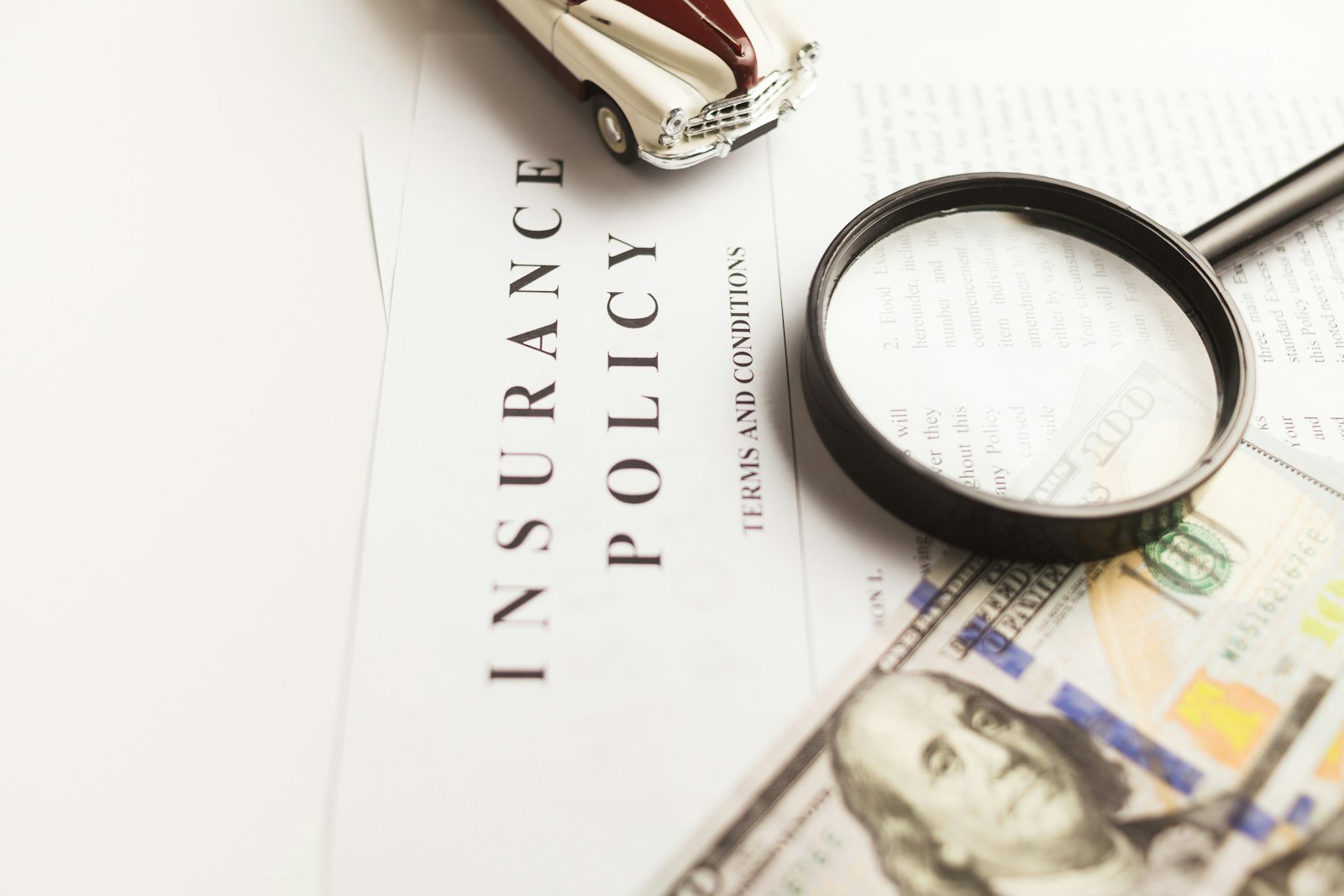
The point that decides these cases is a line on your own declarations page that most people have never read. California insurers must offer uninsured and underinsured motorist coverage under Insurance Code 11580.2, and the coverage can be rejected only in writing. Many drivers carry it at the state minimum of $30,000 per person. Some carry $100,000 or $250,000. Some signed a waiver years ago when a broker was trimming the premium. Which of those describes you is the single most important fact in an uninsured driver case, and it is also the easiest to find out. Pull your declarations page tonight, before you do anything else.
Can I still get paid if the driver who hit me was uninsured?
Yes, if you have uninsured motorist coverage on your own policy. UM coverage pays the same damages the at-fault driver’s insurance would have paid, including medical expenses, lost income and pain and suffering, up to your UM limit. Your insurer takes the position the other driver’s insurer would have taken, so the claim still has to be proven. Without UM coverage, the options are medical payments coverage, health insurance and a personal claim against the driver, which is usually uncollectible.
How a UM claim works in California
A UM claim is made to your own insurer. You report the crash, provide proof that the other driver was uninsured, which is usually a police report showing no insurance or a letter from the DMV, and present the same evidence you would present to a liability insurer: medical records, bills, wage documentation, and proof of fault. Your insurer evaluates the claim as if it were the other driver’s insurer. It will raise the same arguments about delayed treatment, gaps and prior conditions, and it will negotiate.
Two features are different. First, UM disputes do not go to court. If you and your insurer cannot agree on the value, the policy requires binding arbitration, which is faster and less formal than a trial in Los Angeles Superior Court. Second, the limit is your own. If you carry $100,000 in UM, that is the ceiling, no matter how serious the injury.
A hit-and-run is treated as an uninsured driver claim in California, with one condition. The policy and the statute require physical contact between the vehicles and a report to the police within 24 hours, with notice to the insurer within 30 days. A driver who swerves to avoid a car that then speeds away, with no contact, can have a hard time with the hit-and-run provision.
Making a UM claim does not raise your rates for an accident you did not cause. California law prohibits an insurer from treating a not-at-fault accident as chargeable.
What if I don’t have UM coverage
The options narrow. Medical payments coverage, if you bought it, pays medical bills regardless of fault, typically in amounts of $1,000 to $10,000. Health insurance pays the bills under the terms of the plan, with copays and deductibles, and the plan will have no one to recover from. Lost wages and pain and suffering have no source except the uninsured driver.
A lawsuit against the driver personally is available. The two-year deadline under Code of Civil Procedure 335.1 applies. A judgment can be entered and the DMV can suspend the driver’s license until it is paid or a payment plan is arranged, which sometimes motivates small payments. But a judgment against someone who could not afford a $30,000 policy is seldom worth the cost of obtaining it.
Before giving up, check for other coverage. Was the driver in someone else’s car? The owner’s policy may apply. Was the driver working, delivering food in Van Nuys or driving for a rideshare company with the app on? An employer’s or platform’s policy may apply. Was there a second driver or a road condition that contributed? Those sources exist in more cases than people expect.
What your own insurer will argue
It is a mistake to assume your insurer is on your side in a UM claim. On that claim it is the party paying, and it will behave like one. Expect the same arguments: that treatment was delayed, that there were gaps, that the MRI shows degeneration rather than injury, that you were partly at fault for the crash at Roscoe and Tampa. Under California’s pure comparative negligence rule, your UM recovery is reduced by any share of fault assigned to you. Expect the insurer to ask for a recorded statement, which your policy may require you to give, and to request medical records.
One special rule in your favor: Proposition 213, which bars uninsured drivers from recovering pain and suffering, does not apply to you if you were insured. It applies to the uninsured driver, not the insured victim.
What you should do now
Get the police report or file a counter report with LAPD or the CHP, and make sure it notes the other driver’s lack of insurance. Photograph the other car’s license plate and the driver’s license if you can. Report the crash to your insurer promptly and tell them it is an uninsured motorist claim. Find your declarations page and confirm your UM limit and whether you carry medical payments coverage. Treat with a doctor within a day or two and keep every appointment. If it was a hit-and-run, report it to police within 24 hours.
Common mistakes
The first is assuming there is nothing to be done because the driver had no insurance, and never looking at your own policy. The second is treating the UM claim as a formality and giving a loose recorded statement to your own insurer. The third is missing the hit-and-run reporting deadlines. The fourth is carrying no UM coverage at all. If you are reading this before a crash, add UM/UIM at a limit at least equal to your liability limit. It is the coverage most likely to actually pay you after a crash in Los Angeles County.
Questions people ask next
Does the uninsured driver get a ticket or face charges?
Driving without insurance is a citation offense in California, with fines and a possible impound, but it does not produce money for the injured person.
Can I use UM coverage if I was a passenger or a pedestrian?
Usually yes. UM coverage on your own policy generally follows you as a pedestrian or a passenger in someone else’s car, and the policy of the car you were riding in may also apply.
What if the other driver had insurance but not enough?
That is an underinsured motorist claim, which works the same way. Your UIM coverage pays the difference between the at-fault driver’s limit and your own UIM limit, after the at-fault policy has paid.
Manoukian Law Firm handles uninsured and underinsured motorist claims across the San Fernando Valley and Los Angeles County, and the attorney, Vaheh Manoukian, personally reviews the policy and the available coverage in every case. If you were hit by an uninsured driver and want to know what coverage applies to you, call (818) 818-5031 for a free consultation.