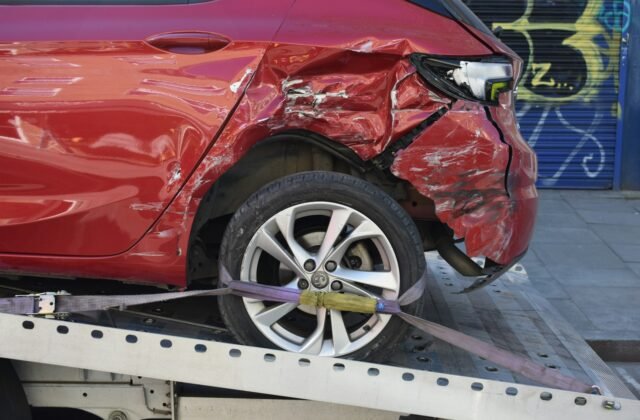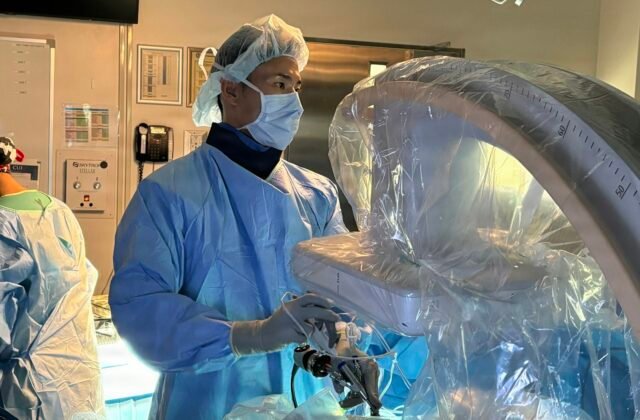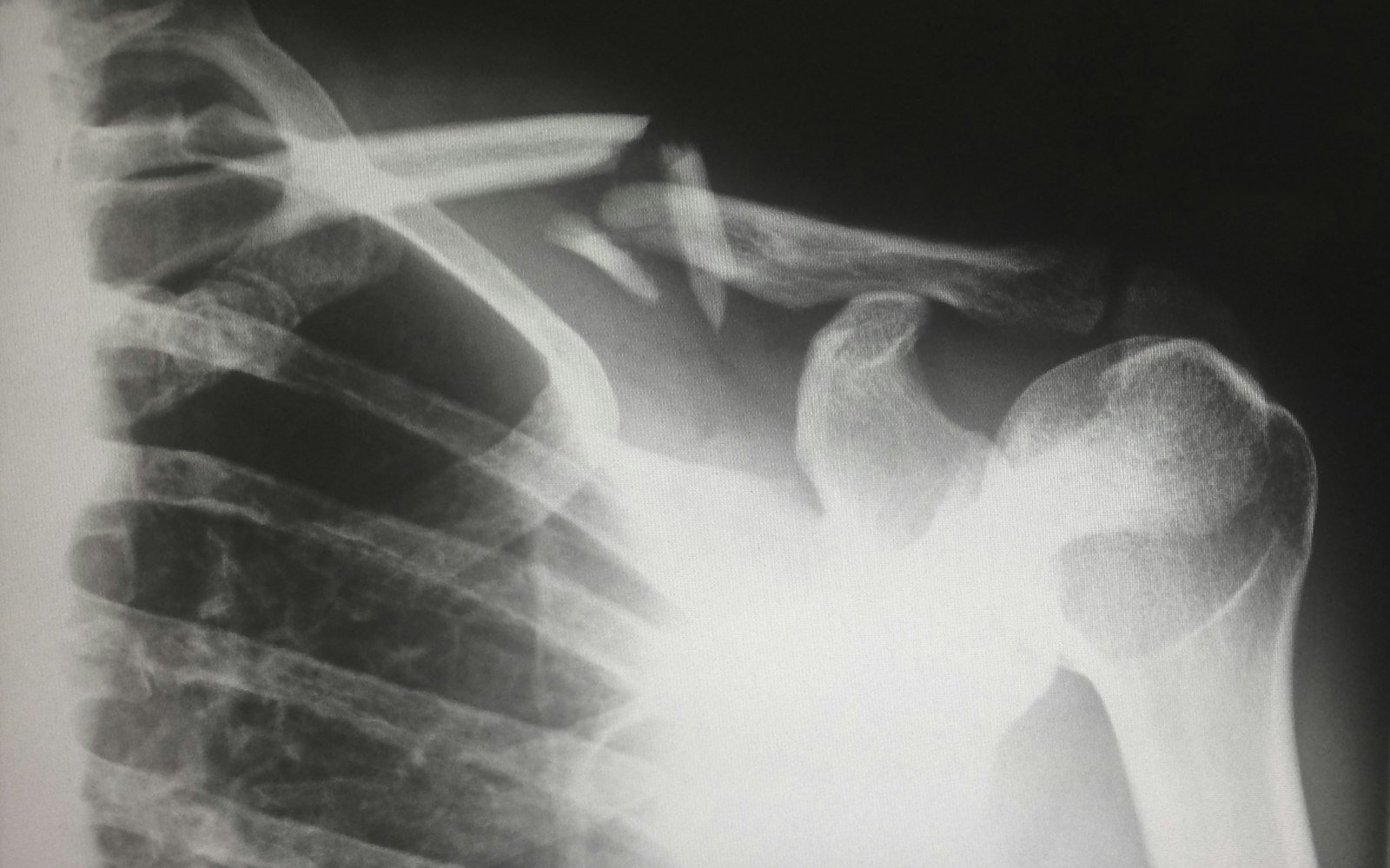
A broken bone from a car accident does not have a fixed value in California. What it is worth depends on which bone broke, whether the fracture needed surgery, how it healed, whether it left any lasting limitation, how much work was missed, and how much insurance the at-fault driver carried. A hairline wrist fracture in a cast for six weeks and a femur fracture with a rod and four months of rehabilitation are both “broken bones,” and they are not in the same range. The one advantage every fracture case has is that the injury shows on an X-ray. The insurer cannot argue you were not hurt.
The point that decides fracture cases is the recovery, not the break. Insurers accept that a fracture happened and shift their attention to how it ended. A bone that healed cleanly, with full range of motion and a return to the same job, is valued as a closed injury. A bone that healed with hardware that stays in, a malunion, post-traumatic arthritis in a joint, a limp, or a restriction that changed the person’s work is valued as a permanent injury. The difference between those two outcomes is often larger than the difference between two different bones. A good fracture file includes the orthopedic surgeon’s final note describing the outcome and any future care, because without it the insurer assumes the clean outcome.
How much is a broken bone worth in a car accident?
It depends on the fracture and the recovery. A fracture case in California is valued from the medical bills actually paid or owed, lost income, and pain and suffering that scales with whether surgery was needed, how long recovery took, and whether anything is permanent. A simple fracture that healed in a cast sits at the lower end; a fracture requiring plates, screws or a rod, with lasting limitation, sits far higher, capped by the at-fault driver’s policy and your own underinsured motorist coverage.
How fractures are sorted in California claims
Three distinctions do most of the work.
Surgical versus non-surgical. A fracture treated with a cast or a splint generates lower bills and a shorter recovery. A fracture requiring open reduction and internal fixation, meaning plates, screws, or a rod, generates a hospital admission, an operative report, anesthesia, and often a second procedure later to remove hardware. The surgery itself is a large part of the pain and suffering figure.
Joint versus shaft. A break through the middle of a long bone generally heals without affecting a joint. A break into the wrist, the ankle, the elbow, or the knee can leave stiffness and arthritis that gets worse over the years. An orthopedic surgeon’s note about the likelihood of future arthritis in a joint fracture is one of the most valuable pages in the file.
Outcome. Full recovery, recovery with hardware left in place, recovery with restriction, or a lasting disability. Each step changes the value.
As an example only, a 26-year-old barista from Burbank with a non-displaced wrist fracture from a side-impact crash at Olive and Buena Vista, six weeks in a cast, $6,000 in bills paid, and three weeks off work, has a clear and modest case. A 51-year-old delivery driver from Sylmar with a tibial plateau fracture requiring a plate, a four-day stay at Providence Holy Cross, four months off work, and a surgeon’s note that knee replacement is likely within ten years, has a case that supports a demand well into six figures and will likely exceed a minimum policy.
What the insurance company will do
With the fracture itself beyond dispute, the insurer focuses on three things. First, the bills. Under the Howell rule, only the amounts paid or owed count, so a $70,000 hospital bill reduced to $18,000 by health insurance is an $18,000 item. Second, the recovery. The adjuster will read the physical therapy discharge note and the surgeon’s last visit for the words “full range of motion” and “released without restriction.” Third, the wage claim. A self-employed person without tax returns or a worker paid in cash will have a hard time proving lost income, and the insurer will not take it on faith.
If the fracture is serious and the policy is small, the insurer may tender the policy limit quickly. That is a signal, not a resolution. It means the case is worth more than the policy, and the question becomes whether any other coverage exists: your underinsured motorist coverage under Insurance Code 11580.2, an employer’s policy if the other driver was working, or an umbrella policy.
What you should do now
Follow the orthopedic plan, including physical therapy, to the end. Stopping therapy early both hurts the recovery and gives the insurer an argument that any lasting stiffness is your own doing. Keep a simple record of what you cannot do during recovery: carrying your child, driving, climbing the stairs to a second-floor apartment in Canoga Park. Those details are what pain and suffering is made of. Get written documentation of time off work from your employer. Ask the surgeon at the final visit whether the hardware will come out, whether arthritis is expected, and whether any permanent restriction applies, and make sure the answers are in the chart. The lawsuit deadline is two years under Code of Civil Procedure 335.1.
Common mistakes
The most common is settling before the bone has finished healing. A fracture that looks fine at eight weeks can show delayed union or hardware irritation at six months. Once the release is signed, that second surgery is uncompensated. The second is treating the wage claim casually. A letter from the employer and the pay stubs are a small effort for a large item. The third is ignoring your own policy. Drivers with fractures and a $30,000 policy on the other side often do not realize they carry $100,000 in UIM coverage until someone reads the declarations page.
Questions people ask next
Is a broken bone considered a serious injury for a car accident claim?
Yes. A fracture is an objective injury confirmed on imaging, which removes the “you were not really hurt” argument that dominates soft tissue claims. How serious depends on the bone, the treatment and the outcome.
Does it matter if I was not wearing a seatbelt when I broke my arm?
It can be raised as comparative fault for injuries the belt would have prevented, which reduces the recovery by a percentage. It does not bar the claim.
What if the driver who hit me only has a $30,000 policy?
Under Vehicle Code 16056, that is the minimum, and many drivers carry it. A surgical fracture will usually exceed it, and your own underinsured motorist coverage is where the rest comes from.
Manoukian Law Firm handles fracture cases from car, motorcycle and pedestrian accidents across the San Fernando Valley and Los Angeles County, and the attorney, Vaheh Manoukian, personally works with the treating surgeon to document the outcome. If you broke a bone in a crash and want to know what your case involves, call (818) 818-5031 for a free consultation.