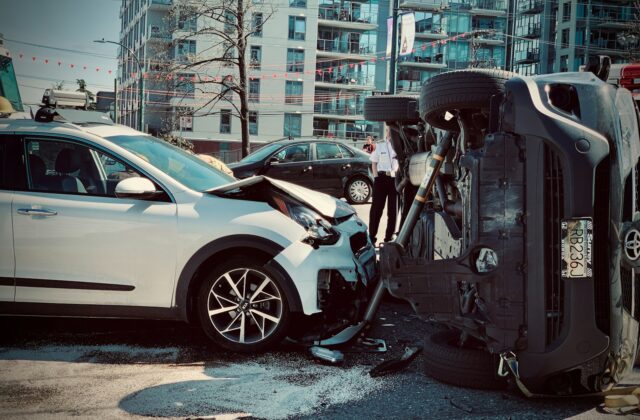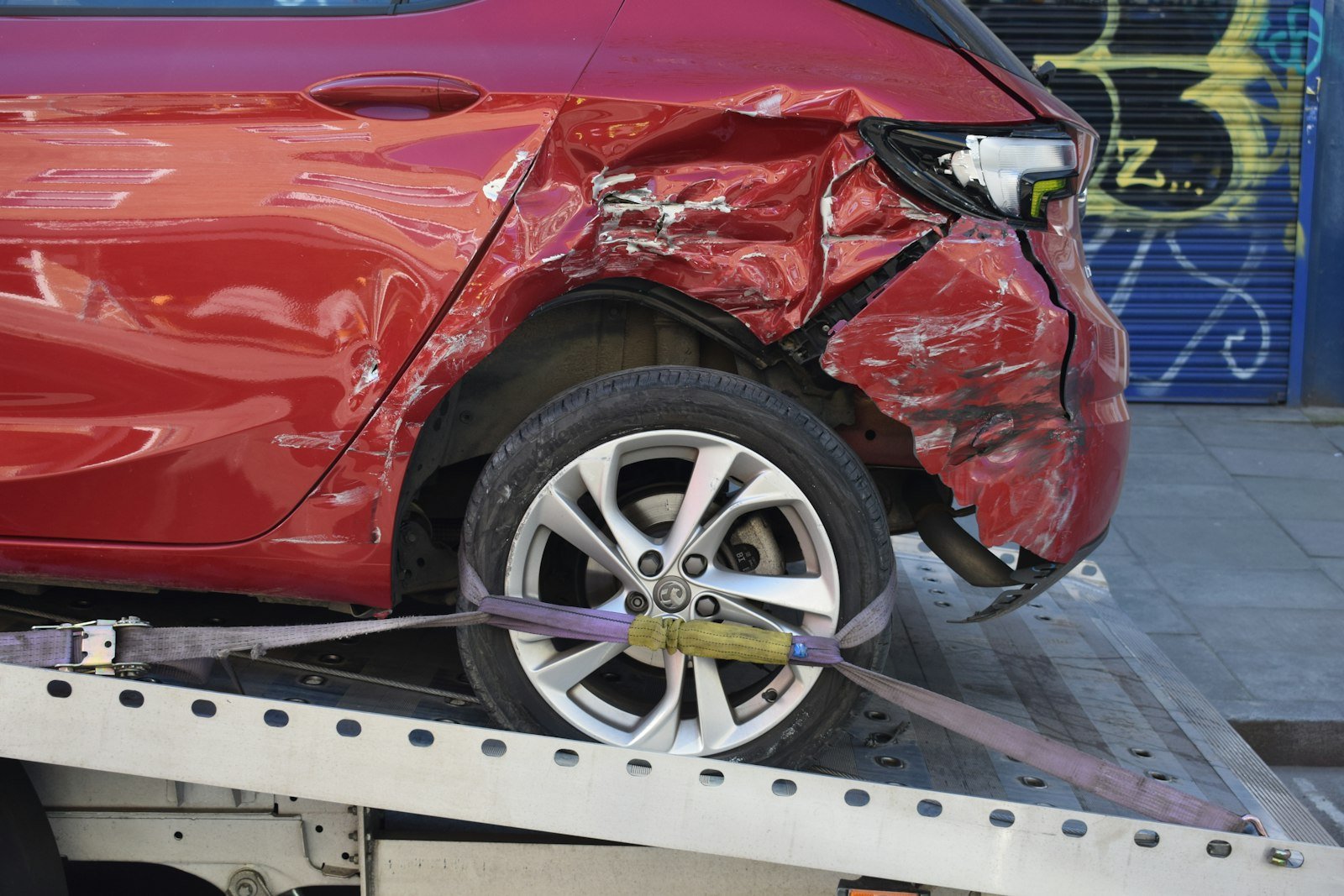
There is no honest average settlement figure for a rear-end collision in California. The numbers published online are pulled from unrelated cases and tell you nothing about yours. What can be said is this: rear-end cases usually have clear fault, so the value turns almost entirely on the injury, the treatment, the documentation, and the insurance available. A sore neck that resolves in six weeks with a few chiropractic visits and a $30,000 policy is a small case. A herniated disc with injections, eight months of treatment and a $100,000 policy is a different case entirely, even though both began the same way at a red light on Ventura Blvd.
The thing that decides real rear-end cases is the medical record, not the crash. Because fault is rarely contested, the insurer puts all of its effort into the injury. The questions it asks are the same every time: how soon after the crash did you see a doctor, what did the first provider write down, did you treat consistently, what did the imaging show, and was there any prior complaint about the same body part. A file with a same-day urgent care visit, a referral to an orthopedic doctor, an MRI, and steady treatment with no unexplained gaps gets valued one way. A file with a first visit three weeks later and a two-month gap in the middle gets valued another way, no matter how much pain the person was in.
What is the average settlement for a rear-end collision in California?
No reliable average exists, and any number you read should be treated as marketing. A rear-end settlement is built from the medical bills actually paid or owed, lost wages, and a pain and suffering figure that scales with how serious and how lasting the injury was. Those components can total a few thousand dollars for a brief soft tissue injury or several hundred thousand for a spinal injury with surgery, limited in every case by the at-fault driver’s policy and your own underinsured motorist coverage.
Why fault is usually settled and what that changes
A driver who hits a stopped car from behind was almost always following too closely or not paying attention. Insurers rarely contest fault in a straight rear-end crash, and when they do it is usually a claim that the front car stopped suddenly for no reason or had no working brake lights. On the 101 at the Van Nuys Blvd exit, where traffic stops without warning every afternoon, the sudden-stop argument rarely goes anywhere.
Clear fault changes the negotiation. The adjuster has no liability discount to apply, so the entire conversation is about damages. That is good news if your medical file is strong and bad news if it is thin, because there is nothing else to argue about.
What goes into the number
Three categories drive a rear-end settlement in California.
Medical damages are limited under the Howell rule to the amount actually paid or still owed, not the amount billed. If Northridge Hospital billed $9,000 for the emergency visit and your health plan paid $2,400, the number in the claim is $2,400. Treatment on a lien, where the provider waits to be paid from the settlement, is counted at the amount owed.
Lost income counts when it is documented. Pay stubs, a letter from the employer, or tax returns for a self-employed person. A week off from a warehouse job in Chatsworth is a small item. Three months off for a surgical recovery is a large one.
Pain and suffering is the rest. There is no formula, though insurers use software that scales the figure with the diagnosis, the length of treatment, and whether there is anything permanent. A strain that resolves in two months earns a modest figure. A disc injury with a nerve root involvement, injections, and a surgeon’s note that a fusion may be needed later earns a far larger one.
As an example only, consider two drivers hit at the same intersection in Van Nuys. One has neck and back strain, treats with a chiropractor for seven weeks, and has $3,800 in bills paid. The other has a herniated disc at C5-C6 confirmed on MRI, two epidural injections, five months of physical therapy, $31,000 in bills paid, and a month off work. Those cases do not share an average. They are not in the same range.
What the insurance company will argue
With fault off the table, the arguments are predictable. Low property damage: the adjuster will point to a $1,200 bumper repair and say nobody could have been hurt in a crash that small. That argument has no medical basis, and treating doctors say so regularly, but it is still made. Delayed treatment: a first visit more than a few days after the crash is used to argue the injury came from something else. Gaps: a month without a visit is used to argue you had recovered. Prior complaints: any earlier chiropractic visit or back pain in your records becomes the “real” cause. Overtreatment: if a clinic ran up $40,000 in bills for a soft tissue injury, the insurer will discount heavily and may be right to.
These are arguments, not bars. Each one is answered with records, with the treating doctor’s opinion, and with a plain explanation of what happened.
What you should do now
See a doctor within a day or two if you have not already, and tell that first provider every symptom, including the ones that seem minor. Follow the treatment plan and keep every appointment. Photograph both cars, including the other car’s front end, because insurers argue low impact from your bumper alone. Get the other driver’s insurance information and a police report or a counter report if LAPD did not respond. Do not give a recorded statement to the other side. Check your own policy for medical payments coverage, which pays bills regardless of fault, and for UM/UIM coverage, which matters if the other driver has a $30,000 policy. The deadline to file a lawsuit is two years under Code of Civil Procedure 335.1.
Common mistakes
Accepting an early offer is the most common one. Adjusters often call within days offering a few thousand dollars before anyone knows what the injury is. Once you sign, the herniated disc found on an MRI two months later is your problem. Treating inconsistently is the second. Stopping treatment because you got busy, then resuming when the pain returned, hands the insurer its gap argument. The third is posting about the crash or your recovery online. A photo from a hike in Griffith Park during the treatment period will show up in the claim file.
Questions people ask next
Does a rear-end case settle faster than other cases?
Often, because fault is not disputed. A case that settles with the insurer without a lawsuit typically resolves four to ten months after treatment ends. A filed case takes 12 to 24 months.
What if I was hit from behind while stopped and the other driver has minimum coverage?
The at-fault policy pays up to $30,000 per person under Vehicle Code 16056. Beyond that, your own underinsured motorist coverage is the source, if you carry it.
Can I still recover if I was partly at fault, for example if my brake lights were out?
Yes. California applies pure comparative negligence, so the recovery is reduced by your percentage of fault but not eliminated.
Manoukian Law Firm handles rear-end collision claims throughout the San Fernando Valley and Los Angeles County, with the attorney, Vaheh Manoukian, handling each file personally from the first call through settlement. If you were hit from behind and want a realistic view of what your case involves, call (818) 818-5031 for a free consultation.