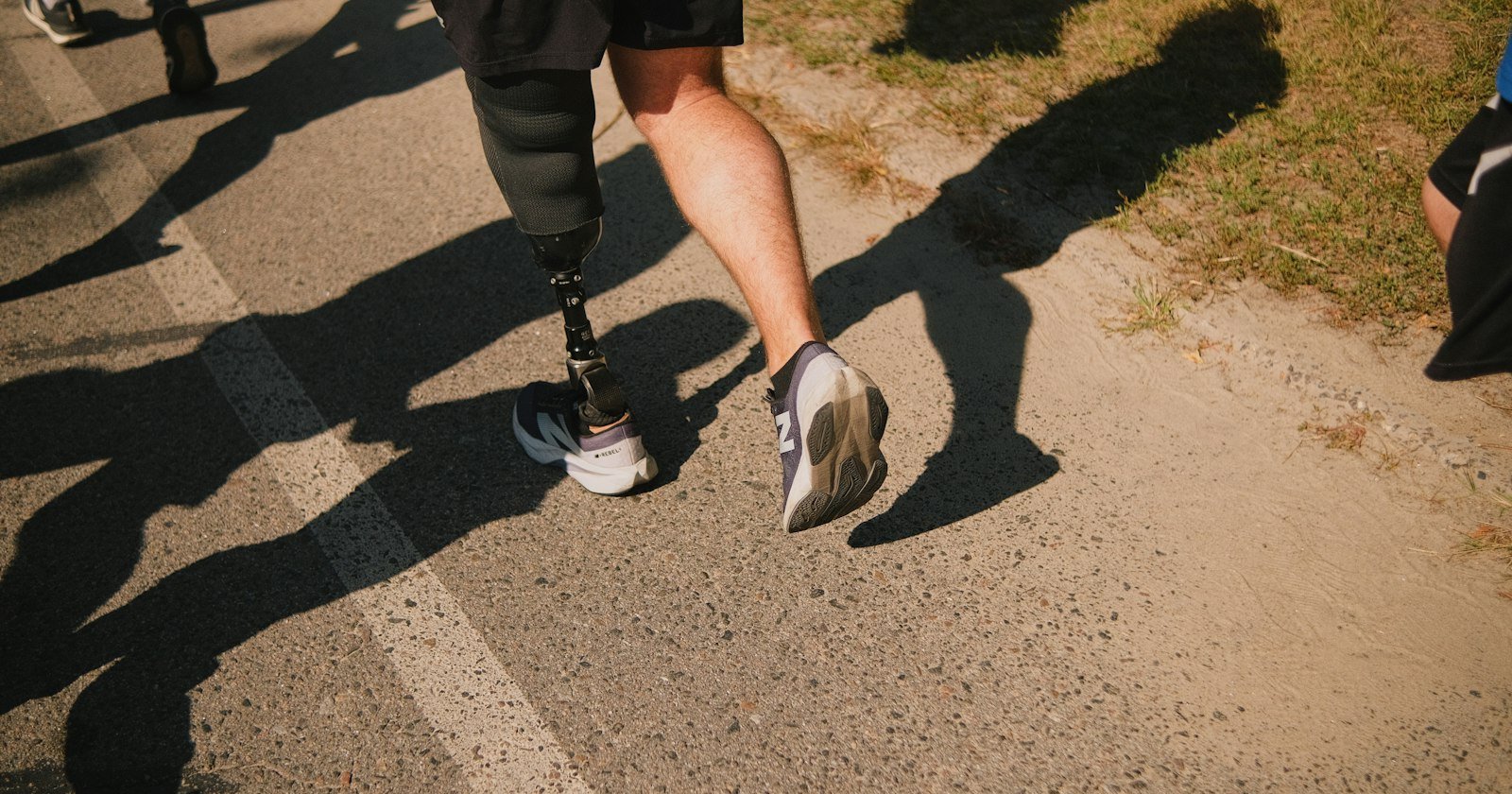
If you or a family member lost a limb in a car, truck or motorcycle crash in California, the insurance adjuster’s first move will be to offer the at-fault driver’s policy limits, present it as the most the law allows, and ask for a release. For a traumatic amputation, that offer is almost never the end of the case, and signing the release can be the most expensive decision a family makes. An amputation is a lifetime injury with lifetime costs that are calculated, not guessed, and California law provides more sources of recovery than the one policy the adjuster mentions. Here is how the value of an amputation case is actually built, and where the money comes from when the driver’s policy is a fraction of it.
What an amputation costs over a lifetime
The medical expenses in the first year, the trauma surgery, revisions, wound care, rehabilitation, the first prosthesis and the training to use it, are large but they are the smallest part of the lifetime figure. The lifetime figure is built by a life care planner, a nurse or physician who specializes in projecting the care an injury will require for the rest of the person’s life, working with the treating surgeon, the prosthetist and a physiatrist. For an amputation the plan typically covers:
Prosthetic devices, which wear out and must be replaced on a schedule, commonly every three to five years for the main device, with sockets refitted more often as the residual limb changes shape. A person who loses a leg at 30 will go through many prostheses, and the cost of each depends on the level of amputation and the technology; microprocessor knees and powered ankles cost far more than mechanical ones and are what allow a working-age person to work.
Revision surgeries. Residual limbs develop bone spurs, neuromas and skin breakdown. Multiple additional surgeries over a lifetime are the norm, not the exception.
Pain management for phantom limb pain and residual limb pain, which affects a large majority of amputees and often requires lifelong treatment.
Physical and occupational therapy at each prosthetic change and after each surgery.
Secondary conditions: overuse injuries to the remaining limb and the back, cardiovascular effects of reduced mobility, and depression, which is common after limb loss and is treated as part of the injury.
Home and vehicle modifications, mobility equipment, and attendant care in later life when a prosthesis is no longer workable.
Each item is priced at current cost, projected over the person’s life expectancy, and reduced to present value by an economist. For a young amputee the total is routinely in the millions, before lost earnings and before any compensation for the loss itself.
Lost earnings and earning capacity
A vocational expert evaluates what the person could earn before and after the amputation. A construction worker, a nurse, a driver or a warehouse employee who loses a leg frequently cannot return to the same work. The difference between the pre-injury earning trajectory and the post-injury one, over the working life, with benefits, is lost earning capacity, and it is a separate category from the medical costs.
Noneconomic damages
California does not cap noneconomic damages in a motor vehicle case. The loss of a limb, the pain, the disfigurement, the change in every daily activity and relationship, and the years of it ahead are compensated by a jury’s judgment of what is fair, and in amputation cases those figures are substantial. Where the at-fault driver was intoxicated or the conduct was otherwise in conscious disregard of safety, punitive damages are available under Civil Code section 3294.
Why the policy limits are not the end
The adjuster offers the limits because the policy is the insurer’s maximum exposure. It is not the injured person’s maximum recovery. The sources beyond the first policy:
Your own underinsured motorist coverage. If you carry it, it pays the difference between the at-fault driver’s limits and your own underinsured limits. Every auto policy in your household is checked, because resident relatives’ coverage often applies.
The driver’s employer. If the driver was working, making a delivery, driving a company vehicle or running an errand for the boss, the employer is liable under respondeat superior and its commercial policy is usually far larger. Commercial trucks carry at least $750,000 under federal rules and often several million.
The vehicle’s owner, if different from the driver. The owner’s policy is primary when a permissive driver causes a crash, and an owner who entrusted a car to an unfit driver is independently liable.
Other negligent parties. A second driver who contributed. A public entity whose road design contributed, with a six-month claim deadline. A manufacturer, if a vehicle defect, such as a failed seat belt or a door that opened, caused or worsened the injury.
Umbrella policies. Many drivers carry personal umbrella coverage of a million dollars or more that the adjuster for the primary policy does not mention. It is identified through a formal demand for all coverage and, in litigation, through discovery.
The driver’s own assets, in a case where the driver has them.
Bad faith exposure. When the injury clearly exceeds the policy and the insurer fails to settle within the limits when it had the chance, California law can make the insurer responsible for the full judgment regardless of the policy. A properly structured time-limited policy limits demand, made early with the medical documentation, is how that exposure is created, and it changes the negotiation. Our article on policy limits demands in California explains the mechanics.
Why early release is dangerous
A release signed in exchange for the driver’s limits ends the claim against that driver forever. If the driver turns out to have had an umbrella policy, an employer, or assets, they are gone. Some underinsured motorist policies also require the insurer’s consent before you settle with the at-fault driver, and a release signed without that consent can forfeit the underinsured claim entirely. No release should be signed in an amputation case until every source of coverage has been identified, the life care plan has been started, and the underinsured carrier has been notified.
Treatment in this area
Trauma care for crashes in the northwest San Fernando Valley is centered at Northridge Hospital Medical Center and Providence Holy Cross; complex limb salvage and reconstruction cases are often transferred to the university centers in Los Angeles. Prosthetic care and the ongoing relationship with a prosthetist are lifelong, and the claim is structured so that the person can afford the technology that gives the best function, not the technology the health plan prefers.
Key points
An amputation’s value is built from a life care plan: prosthetics replaced every few years for life, revision surgeries, pain management, therapy, secondary conditions, and later-life care, reduced to present value by an economist. Then lost earning capacity. Then noneconomic damages, uncapped.
The at-fault driver’s limits are the insurer’s maximum, not yours. Underinsured motorist coverage, the driver’s employer, the vehicle owner, umbrella policies, other negligent parties and bad faith exposure are all pursued.
Do not sign a release for the limits until every source is identified and the underinsured carrier has consented.
Two years to file under Code of Civil Procedure section 335.1; six months for a government claim.
Frequently asked questions
The adjuster says $100,000 is “all there is.” How do we find out if that is true? By a written demand for disclosure of all policies under Insurance Code section 791.13, by identifying the driver’s employer and the vehicle’s owner, and in litigation, by discovery and deposition of the driver about assets and umbrella coverage. Adjusters disclose the policy they handle, not the ones they do not.
My health insurance is paying for the prosthesis. Does that reduce the claim? No. Under California’s collateral source rule, the defendant does not get credit for your insurance, though your insurer may have a right to reimbursement from the recovery, which is negotiated. The future prosthetic costs are claimed in full.
Can a child’s amputation case be settled now? Only with court approval, and only when the lifetime plan is understood. A child’s prosthetic needs change constantly through growth, and the life care plan accounts for it.
How long does an amputation case take? Longer than most, because the life care plan cannot be finalized until the residual limb has matured and the prosthetic course is established, usually a year or more after the injury. Settling before then undervalues the case.
Manoukian Law Firm, P.C., Chatsworth, California. Free consultation. No fee unless we win. Past results do not guarantee a similar outcome.