If you fell on the stairs at your apartment building in Los Angeles because the stairwell light was out, a handrail was loose or missing, a step was broken or the treads were worn slick, you have a claim against the owner of the building, and the building’s own records usually prove it. Stairway lighting and handrails are not matters of landlord discretion. They are required by the Los Angeles building and housing codes, inspected by the City on a schedule, and the subject of the complaints tenants have usually been making for months before anyone falls. Here is what the landlord owes you, where the proof sits, and what to do in the first days.
What the landlord owes you
A landlord in California owes tenants and their guests the same duty any property owner owes under Civil Code section 1714: reasonable care to keep the property safe and to find and fix hazards. Common areas, meaning stairs, walkways, hallways, laundry rooms, garages and courtyards, stay under the landlord’s control even though tenants use them, and the landlord is responsible for them. A lease clause that tries to shift that responsibility to tenants, or to waive injury claims, is void under Civil Code section 1953.
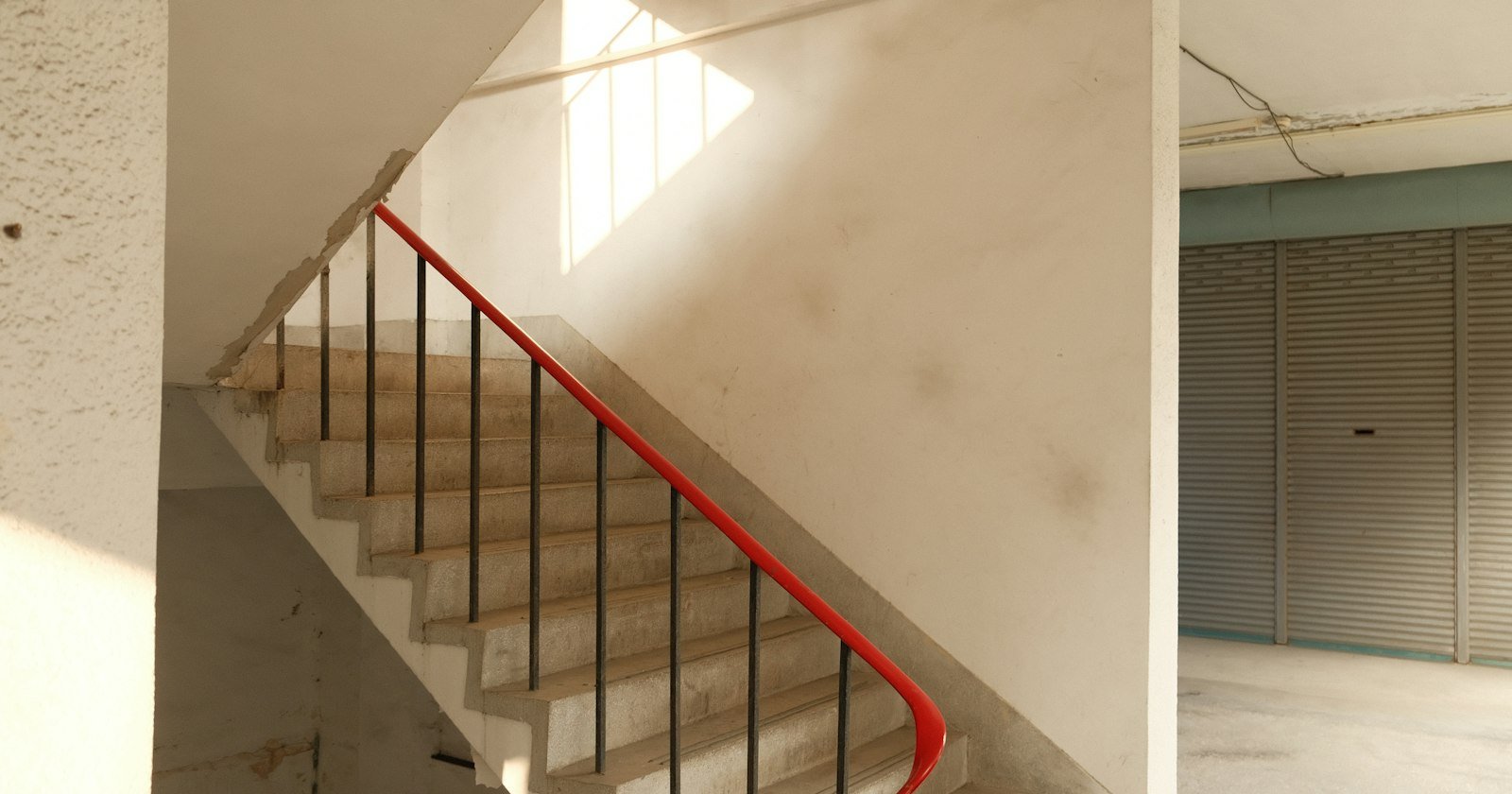
On top of the general duty, California’s habitability law sets specific minimums. Civil Code section 1941.1 requires, among other things, that floors, stairways and railings be kept in good repair, and that common areas have adequate lighting. The Los Angeles Municipal Code and the building code adopted by the City set the physical standards: handrails on stairs with four or more risers, at a height between 34 and 38 inches, graspable and secured; guards at least 42 inches high on open sides of landings and balconies; uniform riser heights and tread depths; and illuminated exit paths and stairways. A stairway that violates one of these is evidence of negligence in itself.
The notice question, and why apartments are different from stores
As in any premises case, the landlord is responsible for a hazard it created, knew about, or should have discovered through reasonable inspection. In an apartment building, actual notice is common and easy to prove, because tenants complain. Text messages to the manager about the dark stairwell. Emails to the management company about the wobbly rail. A maintenance request in the building’s portal. A note on the office door. Any of these is actual notice, and a landlord who was told and did nothing has no inspection argument to make.
Even without a complaint, California law requires landlords to inspect. Mora v. Baker Commodities in 1989 and the cases that follow it hold that a landlord must make a reasonable inspection of the property at the start of a tenancy and at renewals, and the general duty of care requires periodic inspection of common areas in between. A burned-out stairwell bulb that has been out for three weeks is something a reasonable walk-through would have found.
Where the records are
Three sets of records usually decide these cases.
The landlord’s own. Work orders, maintenance logs, the on-site manager’s daily or weekly inspection checklist if one exists, invoices from electricians and handymen, and the tenant complaint file. A management company of any size has a software system for all of this, and it is produced in discovery. A gap in the log is as useful as an entry.
The City’s. The Los Angeles Housing Department inspects every rental building with two or more units under its Systematic Code Enforcement Program, on a cycle of roughly every four years, and in response to tenant complaints at any time. Inspection reports, notices to comply and the building’s complaint history are public records obtainable from the Housing Department. A notice to comply issued six months before your fall, citing the same stairwell lighting, is close to decisive.
The tenants’. Your own messages, and your neighbors’. Other tenants who complained about the same stairs are witnesses, and most will say so.
The common defenses
The landlord did not know. Answered by the complaint history and the inspection duty.
The tenant should have used the handrail. Answered by the fact that the handrail was loose, missing, or on the wrong side, or that the lighting made it impossible to see.
The tenant was carrying something, wearing sandals, looking at a phone. Comparative fault, which reduces a recovery by a percentage and does not bar it.
The building is old and was built to a different code. Partly true for some structural features, but lighting, handrail security and repair of broken steps are maintenance obligations under the habitability statute regardless of when the building was built, and significant renovations trigger current code.
What to do in the first days
Photograph the stairs that day, in the same lighting conditions as when you fell, including the dead fixture, the railing and its anchor points, the broken step, and the view from the top and the bottom. Video the railing moving if it is loose. Measure the railing height if you can. Save every message you ever sent the manager about the stairs, and ask neighbors whether they complained too. Report the fall in writing to the manager and the management company, not just verbally. Treat the same day and describe how you fell.
Then a written preservation demand goes to the owner and the management company for the maintenance records, complaint history, inspection checklists and any camera footage of the stairwell or courtyard, and a records request goes to the Housing Department for the building’s inspection and complaint history.
Retaliation
Tenants worry that a claim will get them evicted. Civil Code section 1942.5 prohibits a landlord from retaliating against a tenant for complaining about habitability or exercising legal rights, and the City of Los Angeles has its own tenant protections. A claim does not waive your lease, and a landlord who raises rent or serves notice shortly after a claim creates a second problem for itself.
Key points
Landlords control common areas and owe tenants and guests reasonable care under Civil Code 1714; the habitability statute, Civil Code 1941.1, specifically requires stairs and railings in good repair and adequate common-area lighting.
Los Angeles codes set handrail height (34 to 38 inches), guard height (42 inches) and lighting requirements. A violation is evidence of negligence.
Notice is usually actual: tenant complaints. Even without complaints, landlords must inspect.
The Housing Department’s inspection and complaint records for the building are public and often decisive.
Photograph the stairs in the same light, save every complaint, report in writing, and treat the same day.
Frequently asked questions
I was a guest, not a tenant. Do I have a claim? Yes. The landlord’s duty in common areas extends to guests and anyone lawfully on the property.
The light had just burned out that day. Does the landlord have a defense? Possibly, if that is true. Whether it is true is shown by the maintenance log, neighbors, and whether the fixture was on a schedule for inspection. Landlords say this often and it is rarely verified.
My lease says I use the stairs at my own risk. Is that enforceable? No. Civil Code section 1953 voids lease provisions that waive a tenant’s right to recover for the landlord’s negligence.
How long do I have? Two years from the fall under Code of Civil Procedure section 335.1. If the building is public housing, a government claim within six months.
Manoukian Law Firm, P.C., Chatsworth, California. Free consultation. No fee unless we win. Past results do not guarantee a similar outcome.