Some rear-end crashes are too small for a lawyer, and you deserve a straight answer rather than a sales pitch. If nobody was hurt, the other driver’s insurance company has accepted fault, and the only dispute is what the repair should cost, you do not need us. You need a good body shop estimate, a little patience, and the willingness to argue with a claims examiner about the rental car. A lawyer working on a contingency fee cannot add enough value to a property-damage-only claim to justify the fee.
The answer changes the moment a person was hurt, even a little. A sore neck that is still sore on day three, a headache that will not quit, a back that hurts when you sit at your desk on Ventura Boulevard: these are injury claims, and injury claims are where the insurance company’s early, friendly offer is designed to close the file before anyone knows what the injury is. This guide gives you six questions to sort out which kind of crash you had, then explains what each answer means so that you can decide for yourself.
What “minor” means to you and what it means to an insurance company
To you, minor means the car still drives and nobody left in an ambulance. To the other driver’s insurance company, minor means a low-speed impact with little visible damage, which its claims software treats as a case that should settle for a small amount, or for nothing, regardless of what your doctor says.
The two definitions collide in rear-end crashes more than any other type. Bumpers on modern cars are built to absorb a low-speed hit and spring back, so a crash that leaves a scuff can still snap a head forward and back with enough force to strain the neck. The insurance company’s argument, made in nearly every low-damage case, is that a car with so little damage could not have hurt anyone, and it is made to a jury with photographs of the bumper.
So “minor” is a conclusion, not a starting point. A crash becomes minor when the injuries have resolved and the property damage has been paid, not when the bumper looks fine in the parking lot at Westfield Topanga.
Six questions that sort out your situation
The questions below are the ones we ask on the first call. The tool asks the same six yes-or-no questions and tells you where you land: handle the property damage yourself, consider small claims court, or call a lawyer.
Should I call a lawyer about this accident?
Six yes or no questions. Nothing is stored.
General information, not legal advice. Every case turns on its own facts. Call (818) 818-5031 for a free consultation.
The result is general information about how these situations usually sort out, not legal advice about your case. The details of your crash, your policy and your injuries can change the answer.
1. Was anyone in either car hurt, even slightly?
This is the question that decides most cases. If the honest answer is no, and it stays no after 72 hours, you are in a property damage claim. If the answer is yes or “I am not sure yet,” you are in an injury claim.
2. Did you see a doctor, or will you within the next few days?
An injury that is never examined does not exist in the insurance company’s file. If you are hurting, be seen at an urgent care, at Kaiser Woodland Hills or West Hills Hospital if you are in that part of the Valley, or at your own doctor. The record is what the claim is built on.
3. Has the other driver’s insurance company accepted fault in writing?
In a rear-end crash, fault is usually clear, but not always. If the company is saying you stopped short, that its driver was pushed into you by a third car, or that you had no brake lights, fault is disputed. A disputed-fault claim with any injury at all is not a do-it-yourself project.
4. Is the property damage more than a few thousand dollars, or is the car a total loss?
Most people can manage a simple repair claim. Total loss valuations and diminished value disputes are harder, and the small claims court in Chatsworth or Van Nuys handles them up to the small claims limit without a lawyer. Our guide on what to do when a property damage claim is denied walks through the process.
5. Have you been offered money already?
An offer in the first two weeks, sometimes in the first two days, is a sign the insurance company sees an injury claim and wants it closed before treatment starts. Accepting closes the claim for good, including for injuries that have not appeared yet. Read our article on whether to accept the first settlement offer before you respond.
6. Was the other driver uninsured, in a commercial vehicle, or driving for Uber or Lyft?
An uninsured driver means the claim is against your own policy. A commercial vehicle means a company and a larger policy. A rideshare driver means Public Utilities Code 5433 and coverage periods that depend on what the app was doing at the moment of impact. None of these is a small claim, no matter what the bumper looks like.
If your answers say “handle the property damage yourself”
Report the crash to your own insurance company and to the other driver’s. Get two written repair estimates, photograph the damage in daylight from every angle, and keep a log of every call. If the other driver’s company accepts fault, it owes you the reasonable cost of repair, a rental car while the repair is done, and, when the repair costs more than the car is worth, the actual cash value of the car. If it drags its feet, your own collision coverage can pay for the repair and your insurer will recover from the other company afterward.
File the DMV SR-1 within 10 days if the damage to anyone’s property exceeded $1,000, which it almost always does with a modern bumper. Vehicle Code 16000 requires it whether or not police responded.
Once a property claim is properly submitted, California’s Fair Claims Settlement Practices Regulations require the insurance company to accept or deny it within 40 days of receiving proof of claim (10 CCR 2695.7). If the answer is a lowball number for the repair or the total loss value, small claims court is a real option. Filing fees are modest, lawyers are not allowed to appear, and a judge in the Chatsworth Courthouse on Penfield Avenue hears these cases regularly.
If your answers say “call a lawyer”
An injury claim after a rear-end crash is not complicated the way a trucking case is. It is difficult in a different way: the insurance company has a script for low-damage rear-end injury claims, and the script is built to end with a small check and a signed release.
The script looks like this. A friendly call within 48 hours asking whether you would mind giving a recorded statement. An offer, sometimes before you have seen a doctor, of a few hundred or a few thousand dollars “to help with any bills.” A request for a blanket medical authorization that reaches back years, so that any old back complaint becomes the cause of your current pain. And if you treat, an argument later that the treatment was excessive for such a small crash.
A lawyer changes the script. The recorded statement does not happen. The medical authorization is limited to the injury. The value of the claim is presented with the medical records, the wage loss and the effect on your life, rather than with a photograph of the bumper. Our article on how much a car accident case is worth in California explains the components without pretending there is a formula.
The part where we tell you when not to hire us
Two situations come up regularly where we tell the caller not to hire anyone.
The first is a crash with no injury at all. If you feel fine at 72 hours and were never seen by a doctor, a contingency fee comes out of a recovery that is only the cost of the repair, and that math does not work for you. Handle it yourself.
The second is a very small injury that resolved with one urgent care visit and no follow-up. A claim like that has value, but a lawyer’s fee may take more of it than the lawyer adds. In that situation we will explain what to say and not say to the insurance company and let you handle it. Our page on car accident claims says the same thing: we take the cases where an attorney makes a difference.
Where the line falls depends on the injury, not the car. A neck strain that needs eight weeks of physical therapy, a disc injury found on an MRI, a concussion, or any injury that keeps you off work is on the side of the line where a lawyer earns the fee. So is any case where fault is disputed, the other driver is uninsured, or an offer has already been made.
Rear-end crashes in the Valley
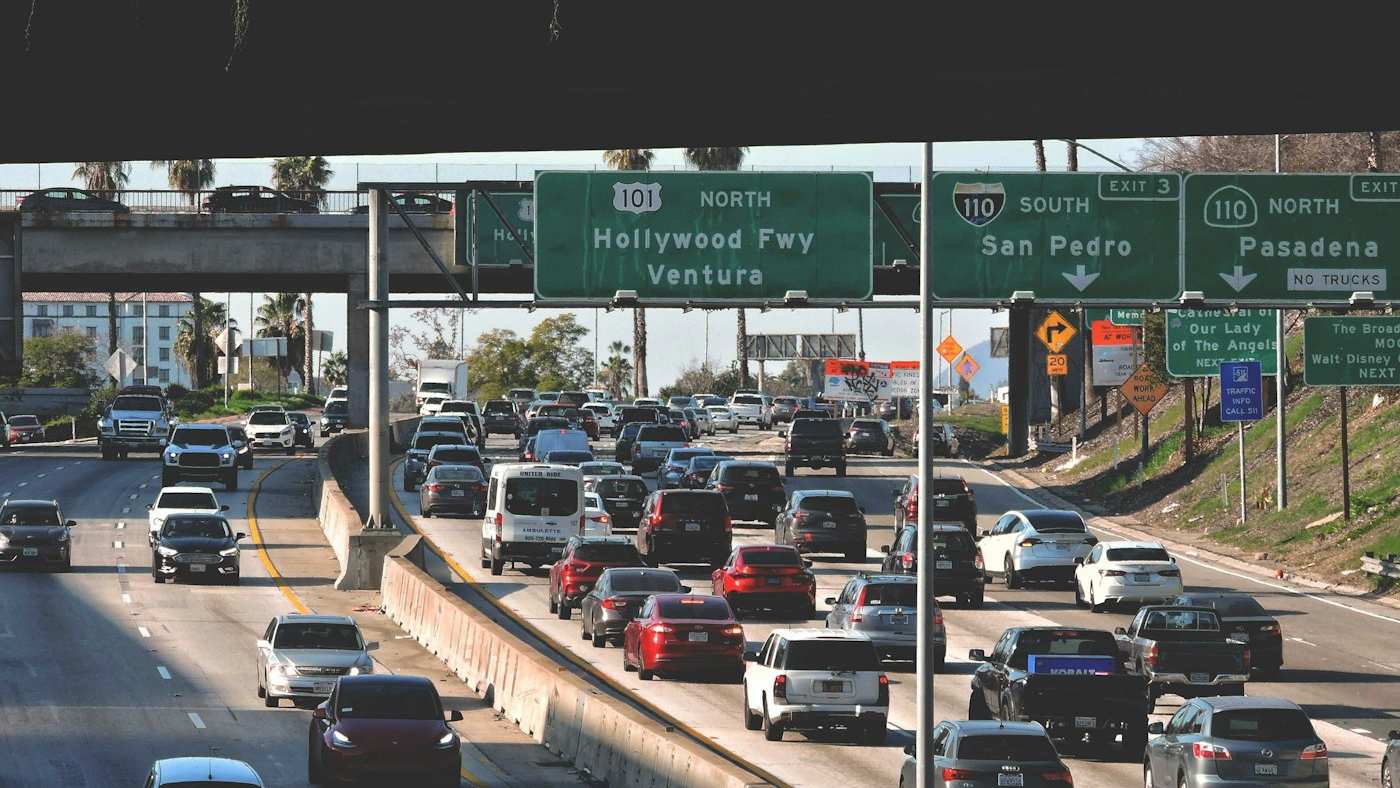
The rear-end crashes we see cluster in predictable places. The 118 at De Soto and at Reseda during the evening slowdown. The 101 approaching the 405 interchange, where traffic goes from 65 to zero without warning. Topanga Canyon Boulevard between Devonshire and Nordhoff, where a left-turn signal backs up two blocks. Ventura Boulevard through Woodland Hills, where drivers watching for parking hit the car ahead. On the freeways the CHP West Valley office writes the report; on city streets it is the LAPD Devonshire or Topanga divisions. Our Chatsworth injury page has the addresses and the process for requesting each.
The pattern that surprises people: the slower the impact, the more the insurance company argues about it. A 45 mph rear-end crash on the 118 does not produce a “minor impact” defense. A 10 mph crash in a parking lot on Devonshire does, every time. Do not let the argument decide whether you get care.
Deadlines
The deadline to file a personal injury lawsuit in California is generally two years from the date of the crash under Code of Civil Procedure 335.1. If the vehicle that hit you was a city bus, a Metro vehicle, or any other government vehicle, a written claim must be presented to the entity within six months under Government Code 911.2. Two years is shorter than it sounds once treatment, records and the insurance company’s evaluation are counted. The recorded statement request and the early offer, on the other hand, arrive within days.
Key points
- If nobody was hurt and fault is accepted, handle the property damage yourself or use small claims court.
- If anyone was hurt, even slightly, get seen within a day or two, because an injury with no medical record does not exist in the insurance file.
- A low-damage rear-end crash is where the “minor impact” argument is used most, and it is an argument about the bumper, not your neck.
- An early offer or a request for a recorded statement is a sign the insurance company sees an injury claim and wants it closed.
- Disputed fault, an uninsured driver, a commercial vehicle or a rideshare driver takes the claim out of do-it-yourself territory.
- The lawsuit deadline is generally two years, and six months for a government vehicle.
Frequently asked questions
The other driver’s insurance company offered me $1,500 the day after the crash. Should I take it?
Not before you know whether you are hurt. An offer that fast is made because the file looks like an injury claim and the company wants it closed before treatment begins. Signing the release ends the claim for injuries you do not know about yet. Get seen, wait a couple of weeks, and then decide.
There is almost no damage to my car. Can I still have an injury claim?
Yes. Bumper damage and neck injury are not closely related at low speeds. The insurance company will argue otherwise, which is why the medical record, not the repair estimate, is what the claim rests on.
Can I use small claims court for an injury?
You can, but the small claims limit is low compared to what a real injury claim can involve. Small claims works well for a property damage dispute. For an injury with ongoing treatment, it usually leaves money on the table.
How much does it cost to ask a lawyer whether my case is worth pursuing?
Nothing. The consultation is free, and if the honest answer is that you should handle it yourself, we will say so and explain how. Every case starts with an honest answer on the first call.
If you were rear-ended in Chatsworth, on the 118 or anywhere in California and you are not sure whether it is worth a call, make the call and let us tell you. Reach Manoukian Law Firm at (818) 818-5031 or through our contact page. The firm helps clients in English, Spanish and Armenian. Consultations are free and there is no fee unless we win.