If you slipped on a wet floor, a greasy patch near the kitchen door, a spilled drink, a wet patio tile or a loose mat at a restaurant or bar in Los Angeles, the business that served you is the first defendant. But most restaurants and bars in Los Angeles do not own their buildings, and the person who signed the lease is not always the person whose insurance pays. Depending on where you fell and what caused it, the claim can run against the restaurant operator, the landlord, a cleaning or floor-care contractor, or more than one of them. Sorting that out early matters because each has its own insurer, each will point at the others, and the evidence that proves the case, the video and the cleaning records, belongs to the restaurant and is gone in weeks. Here is how responsibility is divided and what to do.
The restaurant is responsible for what it controls
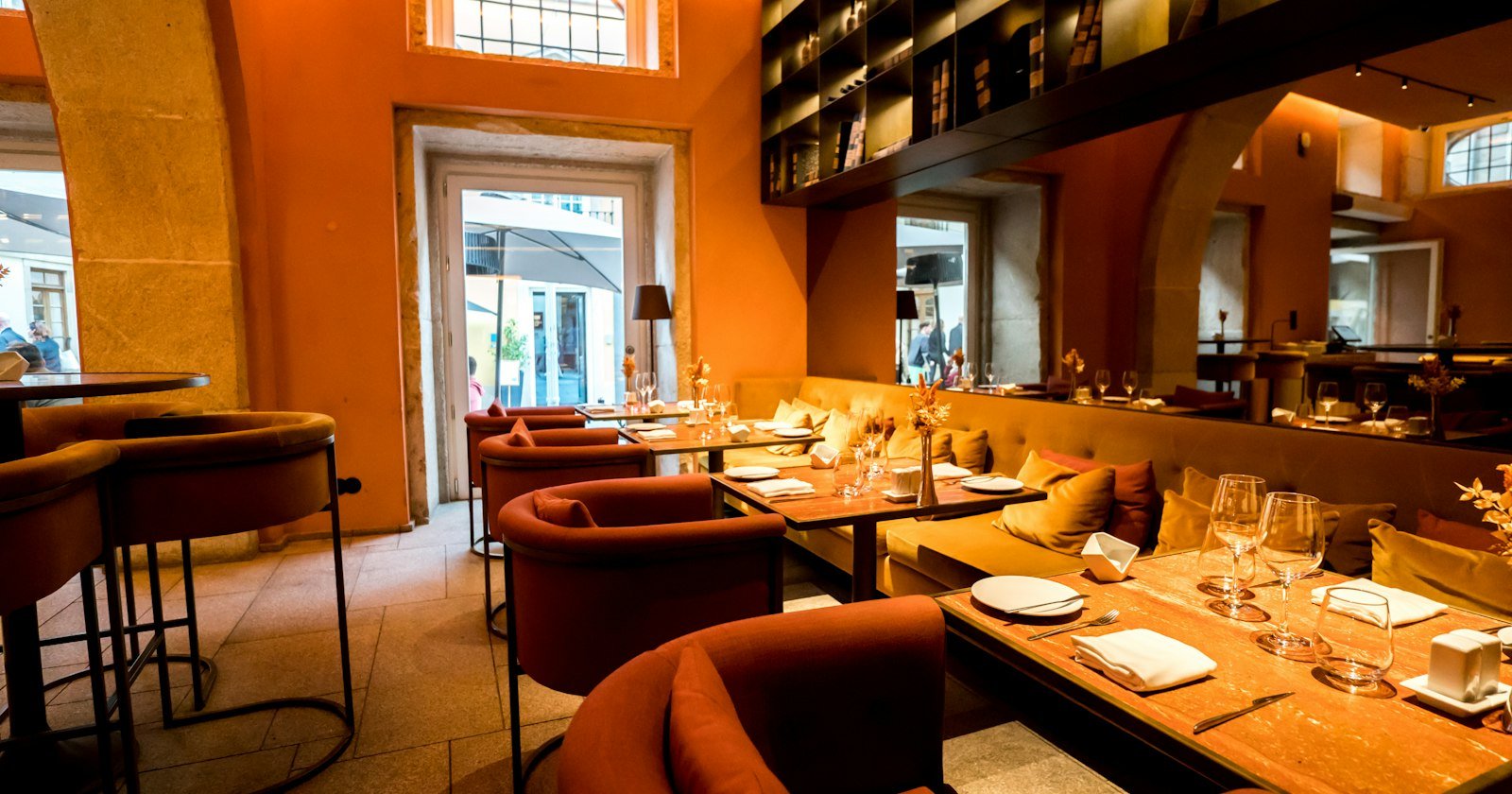
Under Civil Code section 1714 and the premises liability instructions at CACI 1000 and following, whoever controls the property owes customers reasonable care to keep it safe and to find and fix hazards. A restaurant tenant controls its dining room, bar, restrooms, kitchen and, usually, its patio and the entrance under its sign. Spills, mopping without signage, grease tracked from the kitchen, worn mats at the door, ice from the bar well and a leaking drink station are the restaurant’s problems, and the restaurant’s general liability policy is the one that responds. Every restaurant that holds a liquor license and a lease carries one; landlords require it.
Restaurant floors are a known hazard and the industry has standards for them: non-slip flooring in kitchens and at transitions, mats at the kitchen door and the bar, a cleaning schedule with a log, wet-floor signage during and after mopping, and prompt response to spills. A restaurant’s own operations manual usually says all of this, and it is obtained in the case.
When the landlord is responsible
The building owner remains responsible for what it controls and for what it knew. In a multi-tenant building or a shopping center, that typically means the common areas: the shared entrance, the exterior walkway, the parking lot and any shared restroom corridor. If you slipped on a wet walkway outside the restaurant’s door in a center, the landlord is usually the defendant, as discussed in our article on shopping center parking lot falls.
The landlord can also be responsible inside the restaurant for conditions it knew about when it leased or renewed, and for structural conditions it kept responsibility for under the lease: a drainage problem that floods the floor, a roof leak that drips onto the dining room tile, plumbing that leaks under the bar, or a floor surface the landlord installed that was never suitable for a restaurant. California courts, following Mora v. Baker Commodities, require a landlord to inspect at the start of a tenancy and at renewal and to fix dangerous conditions it discovers or should discover. A landlord who re-leased a space with a known drainage problem has not escaped responsibility by putting a tenant in front of it.
The lease allocates the rest. Who maintains the floors, who handles plumbing, who insures what, and whether the tenant agreed to indemnify the landlord are all in the lease, which is produced in discovery. The practical rule for an injured person is simple: put both the restaurant and the building owner on written notice, and let the lease sort out who pays.
Contractors
Many restaurants use an outside janitorial company for overnight cleaning and a floor-care contractor for periodic stripping and waxing. A floor that was waxed the night before and left slick, or a cleaning crew that left the entrance wet at opening, is the contractor’s negligence as well as the restaurant’s. The contractor carries its own policy. Its identity is in the restaurant’s vendor records.
Bars: the other kind of injury
Slips are the most common injury at a bar, but not the only one. Fights, falls caused by overcrowding, and injuries from inadequate security are premises claims too, under the rule that a business must take reasonable steps against foreseeable harm from third parties when it knows of prior incidents. Our published results include a six-figure settlement in a premises liability case arising at a nightclub. Those cases turn on the venue’s security staffing, its incident history and its video, and the same preservation steps apply.
The evidence, and how fast it disappears
Restaurants record video of the dining room, bar and entrance, and most systems overwrite within seven to thirty days. The cleaning log, the shift schedule and the incident report, if one was written, are in the manager’s office. The identity of the server or busser who saw the spill is known only to the restaurant. A written preservation demand to the restaurant and, if the fall was in a common area, to the landlord and property manager, goes out within days. After the footage is gone, the case is your word against the manager’s.
What to do
Photograph the floor where you fell, what was on it, the nearest wet-floor sign or the absence of one, the mats, and the lighting. Note the time and whether the restaurant was busy. Tell the manager and ask that an incident report be written; ask for a copy or at least the manager’s name. Get the names of your companions and any nearby diners who saw the floor. Keep the receipt; it fixes the time and the table. Treat the same day. Do not give a recorded statement to the restaurant’s insurer.
Comparative fault and alcohol
If you had been drinking, the restaurant’s insurer will raise it. California’s comparative fault rule reduces a recovery by the injured person’s share of responsibility; it does not bar the claim. A patron who had two drinks and slipped on an unmarked wet floor at the restroom door is still owed a dry floor or a sign. The restaurant served the drinks, and it knew its customers would be walking to the restroom.
Key points
The restaurant operator is responsible for the dining room, bar, restrooms and usually the patio and entrance. Its general liability policy responds.
The landlord is responsible for common areas and for conditions it knew about or kept under the lease, such as drainage, roof leaks and plumbing.
Cleaning and floor-care contractors can be defendants when their work created the hazard.
Put the restaurant and the building owner on written notice. Video is overwritten within weeks.
Comparative fault for alcohol reduces a recovery; it does not end the claim.
Frequently asked questions
The restaurant says the spill was from another customer seconds before I fell. What then? Then the question is whether the restaurant’s staffing and inspection were reasonable for that area at that time of night. The video decides how long the spill was there. Restaurants say “seconds” often and it is rarely verified.
I slipped on the patio. Is that the restaurant or the landlord? Usually the restaurant, if the patio is part of its leased premises, which it generally is. If the patio is a shared courtyard, it may be the landlord. Both are noticed until the lease is seen.
It was a food hall or a stall inside a market. Who do I claim against? The individual vendor controls its stall; the market operator controls the seating and common areas. Where you fell decides it, and both are noticed.
How long do I have? Two years under Code of Civil Procedure section 335.1. If the restaurant is in a City-owned building or at a public facility, a government claim within six months.
Manoukian Law Firm, P.C., Chatsworth, California. Free consultation. No fee unless we win. Past results do not guarantee a similar outcome.