If you tripped on a sidewalk slab pushed up by a tree root in Los Angeles, the answer to “who do I claim against” is usually the City of Los Angeles, and the clock on that claim is six months, not two years. That surprises people, because in most of California the homeowner whose property fronts the sidewalk is responsible for maintaining it. Los Angeles is different. The city took on sidewalk repair for tree-root damage decades ago, and it has been paying out on sidewalk falls ever since. But the city has defenses the private homeowner does not, and the paperwork is unforgiving. Here is how it works.
The default rule in California, and why Los Angeles is different
California’s Streets and Highways Code, section 5610, puts the duty to maintain the sidewalk on the owner of the property that fronts it. Section 5614 then says that duty, by itself, does not make the owner liable to a person who trips, unless a local ordinance says so. So in most cities the injured pedestrian’s claim is against the city, which owns the sidewalk, and the homeowner is only liable if the homeowner did something to create the hazard, such as planting the tree, pouring a bad patch or letting a sprinkler undermine the slab.
Los Angeles Municipal Code section 62.104 goes further. In 1973 the city accepted responsibility for repairing sidewalks damaged by the roots of street trees, which is the cause of the great majority of lifted slabs in the Valley. That is why the City of Los Angeles, not the homeowner, is the primary defendant in most of these cases, and it is why the city agreed in Willits v. City of Los Angeles, a 2015 class action settlement, to spend about $1.4 billion over 30 years fixing sidewalks. The city knows its sidewalks are broken. That knowledge matters to your claim.
Private property owners still end up in these cases. If the tree was planted by the homeowner on private property and the roots crossed under the sidewalk, if a contractor working for the homeowner damaged the slab, if the trip was on the apron or walkway on private property rather than the public sidewalk, or if the fall was in a city like Burbank, Glendale, Santa Clarita or Simi Valley, the analysis changes and the owner may be on the hook. The first task is finding out exactly where the property line runs and who owns the tree. We pull the city’s sidewalk repair records and tree inventory for the address.
What you have to prove against the city
A public entity in California is liable for a dangerous condition of its property under Government Code section 835. You have to show the sidewalk was in a dangerous condition, that the condition caused your injury, that the kind of injury you suffered was foreseeable, and either that a city employee created the condition or that the city had notice of it long enough before your fall to have fixed it or warned about it.
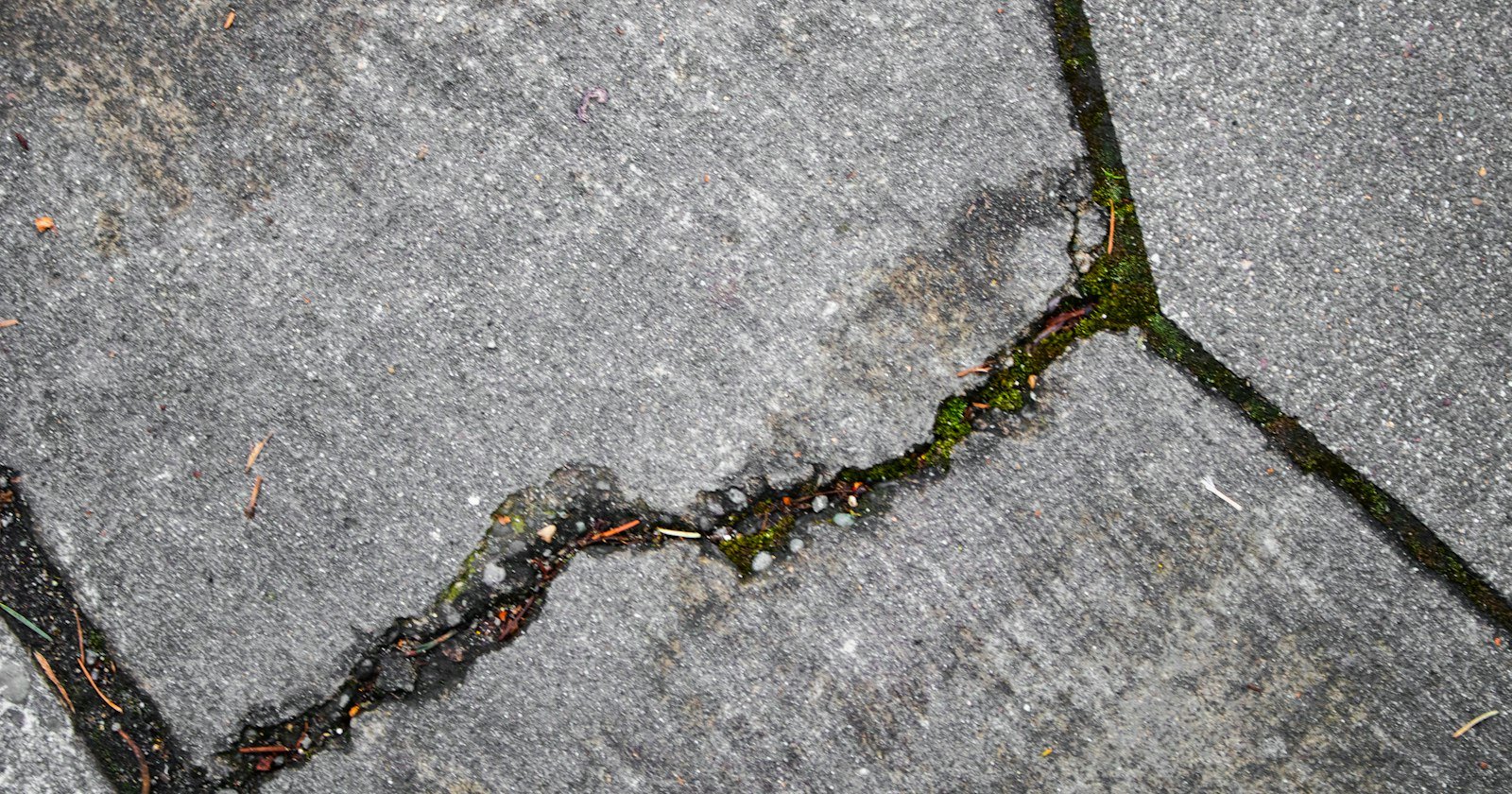
Notice is proven with the city’s own records: 311 complaints about that block, prior sidewalk repair requests, the Willits program’s inspection and prioritization lists, and the age of the lift. A root heave does not happen overnight. A displacement of two inches with weathered edges, moss in the crack and a tree trunk that has clearly been pushing for years is evidence the condition was there long enough to be found.
The “trivial defect” defense
This is the defense the city raises in nearly every sidewalk case, and it wins a share of them. California courts have held that a very small sidewalk displacement is “trivial” as a matter of law and cannot support a claim, on the theory that pedestrians are expected to watch for minor imperfections. There is no fixed number, but displacements under about three quarters of an inch are frequently dismissed, those between three quarters and an inch and a half are fought over, and above that the defense usually fails. The courts look at more than the height: the lighting, whether the edge was jagged or beveled, whether debris or shadow hid it, whether it was at a corner where people are looking at traffic, and whether others had fallen there.
What this means for you is that the height of the lift has to be measured and photographed, with a tape measure in the frame, before the city grinds it down. The city often repairs a reported sidewalk within days of a claim. Once it is ground flat, the only evidence of how bad it was is your photograph.
The six-month claim, and what happens if you miss it
Before you can sue a California city, you have to file a written government claim with it. For injury claims the deadline is six months from the date of the fall, under Government Code section 911.2. The city then has 45 days to accept or reject it. If it rejects the claim, you have six months from the rejection to file suit. If it ignores it, you have two years from the fall.
Miss the six months and the case is, in almost every situation, over. There is a procedure to ask for permission to file a late claim, but it requires a showing of mistake, inadvertence, surprise or excusable neglect, and “I did not know about the rule” has been rejected by California courts again and again. The claim also has to be on the right form, with the right entity, with enough detail to let the city investigate. A claim filed against the County when the sidewalk belongs to the City is a claim against the wrong defendant.
What the city will argue, besides trivial defect
That you were not looking where you were walking. The city pleads comparative fault in every case. California reduces your recovery by your share of fault; it does not bar the claim.
That it had no notice. This is where the 311 records and repair requests come in. In a city with a known sidewalk backlog in the billions, the notice argument is weaker than it sounds, but it has to be proven with documents.
That the sidewalk was the homeowner’s responsibility. For root damage from a street tree in Los Angeles, section 62.104 answers that. For other causes the city will try to shift the claim, and sometimes both the city and the owner have to be named.
Design immunity and other statutory immunities. Government Code section 830.6 protects a public entity from liability for a condition that was part of an approved design. It rarely applies to a root-heaved slab, which is a maintenance failure, not a design choice.
What to do in the first days
Photograph the sidewalk from several angles, including a tape measure against the lift, and photograph the tree, the address and the nearest cross street. Photograph your shoes and your injuries. Get the names of anyone who saw you fall or who came to help. Report the hazard to the city through 311 so there is a record, and request the service request number. See a doctor within 48 hours. Then get the government claim filed well inside six months. We file them within the first weeks, because waiting gains nothing and the repair crew is already on its way.
What a sidewalk fall claim can recover
Medical expenses, lost earnings and the loss of your normal activities. Sidewalk falls produce broken wrists and elbows from the outstretched hand, fractured hips and shoulders in older adults, facial injuries and broken teeth, and knee injuries. Against a public entity there is no cap on these damages, but the city evaluates claims through a risk management office that treats every one as a budget line, and it settles when the liability picture is clear.
Key points
In Los Angeles, root-heaved sidewalks from street trees are the city’s responsibility under Municipal Code section 62.104, and the claim is usually against the City, not the homeowner.
You must file a written government claim within six months of the fall. Missing it almost always ends the case.
Measure and photograph the lift immediately. The city repairs reported sidewalks quickly, and the “trivial defect” defense turns on the height.
The city’s own 311 complaints, repair requests and tree records prove it knew.
In other cities, or where a private tree or contractor caused the damage, the property owner may be the right defendant, and sometimes both must be named.
Frequently asked questions
The homeowner says it is not their sidewalk. Are they right? In Los Angeles, for a street-tree root lift, usually yes. We confirm it with the city’s records before anyone is named.
I fell four months ago and have not filed anything. Is it too late? No, but it is close. The government claim can be prepared and filed within days. Call now.
What if I fell in Simi Valley or Santa Clarita? Different city, different ordinance, same six-month government claim deadline. Each city handles sidewalk responsibility differently, and the claim goes to that city.
Does it matter that I have fallen there before, or that I walk that block every day? Familiarity with the block is something the city will raise on comparative fault. It does not bar the claim, and it cuts both ways: if you have reported the hazard before, the city’s notice is proven.
Manoukian Law Firm, P.C., Chatsworth, California. Free consultation. No fee unless we win. Past results do not guarantee a similar outcome.